



















































Ever found yourself eyeing a can of tuna and wondering if your pup could sneak a bite too? You’re not the only one. Many dog owners ask, “Can Dogs Eat Tuna?” — and like many things in the dog world, the answer isn’t black and white. While tuna can offer some benefits, there are important safety considerations to keep in mind before you share your seafood snack with your furry friend.
If you’ve ever imagined your dog’s tail wagging at the smell of tuna, you’re not alone. Tuna can be tempting for dogs — lean, protein-rich, and full of that savory, fishy aroma. But before you scoop some onto their plate (or sneak a bit from yours), it’s worth knowing the full picture: the potential benefits, the risks, the safe way to serve it — and when better alternatives might be the smarter choice.
Why Tuna Might Sound Like a Great Treat (But Needs Caution)
Tuna isn’t just tasty — it packs a punch in terms of nutrients dogs can use. It offers high-quality protein that supports muscles and overall energy, plus omega-3 fatty acids that can help with skin, coat, and even overall wellness. Some proponents also point to vitamins and minerals found in tuna as a plus for dogs.
However, not all tuna — or every serving — is created equal. Because tuna is a large predatory fish that lives many years, it tends to accumulate mercury in its tissues. That makes it one of the riskier seafood choices for frequent feeding, especially if you plan to make it a regular part of your dog’s diet.
Potential Risks: What to Watch Out For
The biggest concern with tuna is mercury exposure. Over time and with repeated servings, mercury can build up and potentially affect a dog’s nervous system, kidneys, or general health — a risk worth taking seriously.
Another common risk comes from how tuna is often prepared for humans. Canned tuna may be packed in oil, brine, or include added salt or seasonings — none of which are dog-friendly. High sodium levels or flavor additives can upset your dog’s digestive system or create long-term health issues.
Raw tuna carries its own dangers — bacteria or parasites that are harmless to humans can make dogs sick. So feeding raw fish is typically discouraged.
How to (If You Do) Feed Tuna — Safely and Smartly
If you still want to give your dog a taste of tuna — as a rare treat — there are a few guidelines that make it safer. First, choose tuna carefully: water-packed, plain (no salt or additives), and preferably from a lower-mercury variety (when known).
Serve very small portions. Think of tuna as an occasional bonus, not a staple diet. Many veterinarians recommend limiting tuna servings to rare occasions — certainly not every day, and ideally no more than once or twice a week for large dogs. Smaller dogs should get even less.
Always avoid raw tuna. If you’re cooking fresh tuna for your dog, make sure it’s plain, boneless, and thoroughly cooked — skip any oils, butter, spices, or sauce. Even then, treat it like an occasional indulgence, not a regular meal.
When Tuna Is a No-Go
Some dogs should avoid tuna altogether — especially puppies, very small breeds, pregnant or nursing dogs, or dogs with kidney, liver, or other health issues. Because of mercury accumulation risks and sensitivity to sodium or additives, these pups may be better off with safer, dog-friendly protein sources.
If your dog has shown signs of food sensitivities, skin issues, gastrointestinal upset, or has been diagnosed with heart, kidney or thyroid concerns — consulting a vet before any human-food experiment (including tuna) is a must. Health comes first. Always.
Better Alternatives — Fish and Treats That Do the Job Safely
If your goal is to give your dog nutrition, omega-3s, or a tasty treat without the risk of mercury and additives, there are better fish choices out there. Cooked, boneless, plain fish like salmon, whitefish, or other smaller species — fed occasionally — often present lower risks while still offering lean protein and healthy fats.
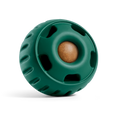
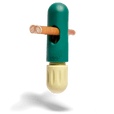
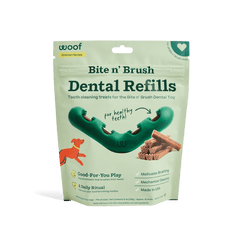
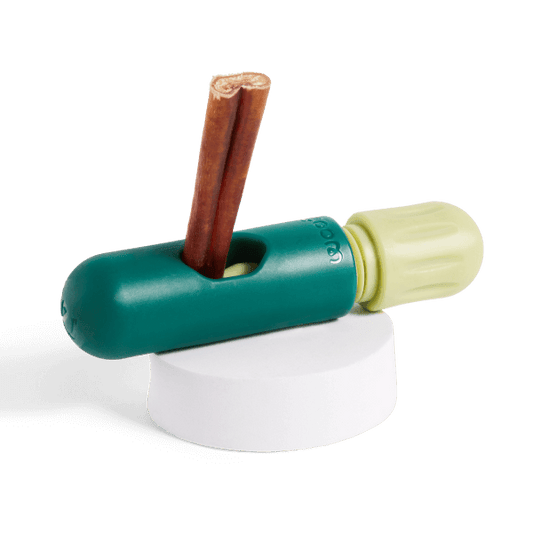
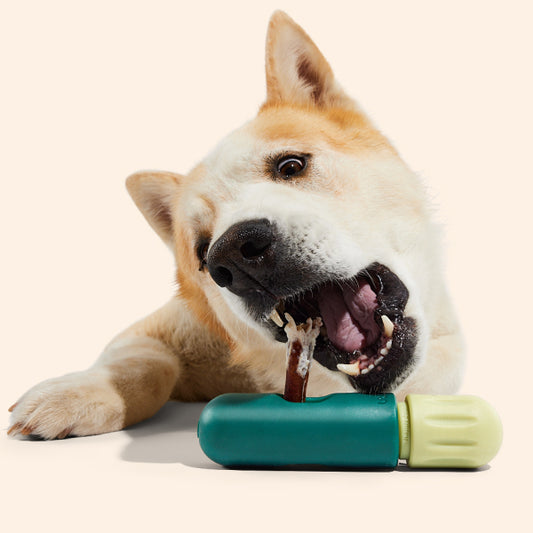
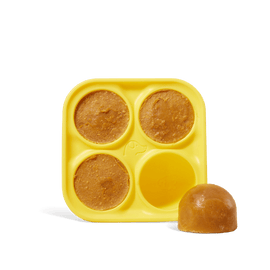
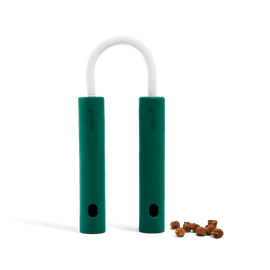
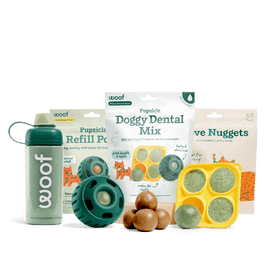
Another smart approach: use trusted, pet-specific treats — like our very own Woof Puzzle Treats — to keep nourishment and fun safely balanced. These are designed with dogs in mind, avoiding the pitfalls human foods can bring.
Final Dog Lover’s Verdict
So, can dogs eat tuna? Yes — but only very carefully, infrequently, and in tiny portions. It’s best viewed as an occasional indulgence, not a dietary staple. For most pups, especially younger or more sensitive ones, safer proteins or dog-specific treats will do the job just fine. When in doubt, trust your vet’s guidance — these tails wagging at your side count on it.
If you’ve got questions about other human foods, treat swaps, or building a balanced diet for your dog — give us a shout. We’re always here to help you keep that fur soft, that tail wagging, and those eyes bright.


