






































































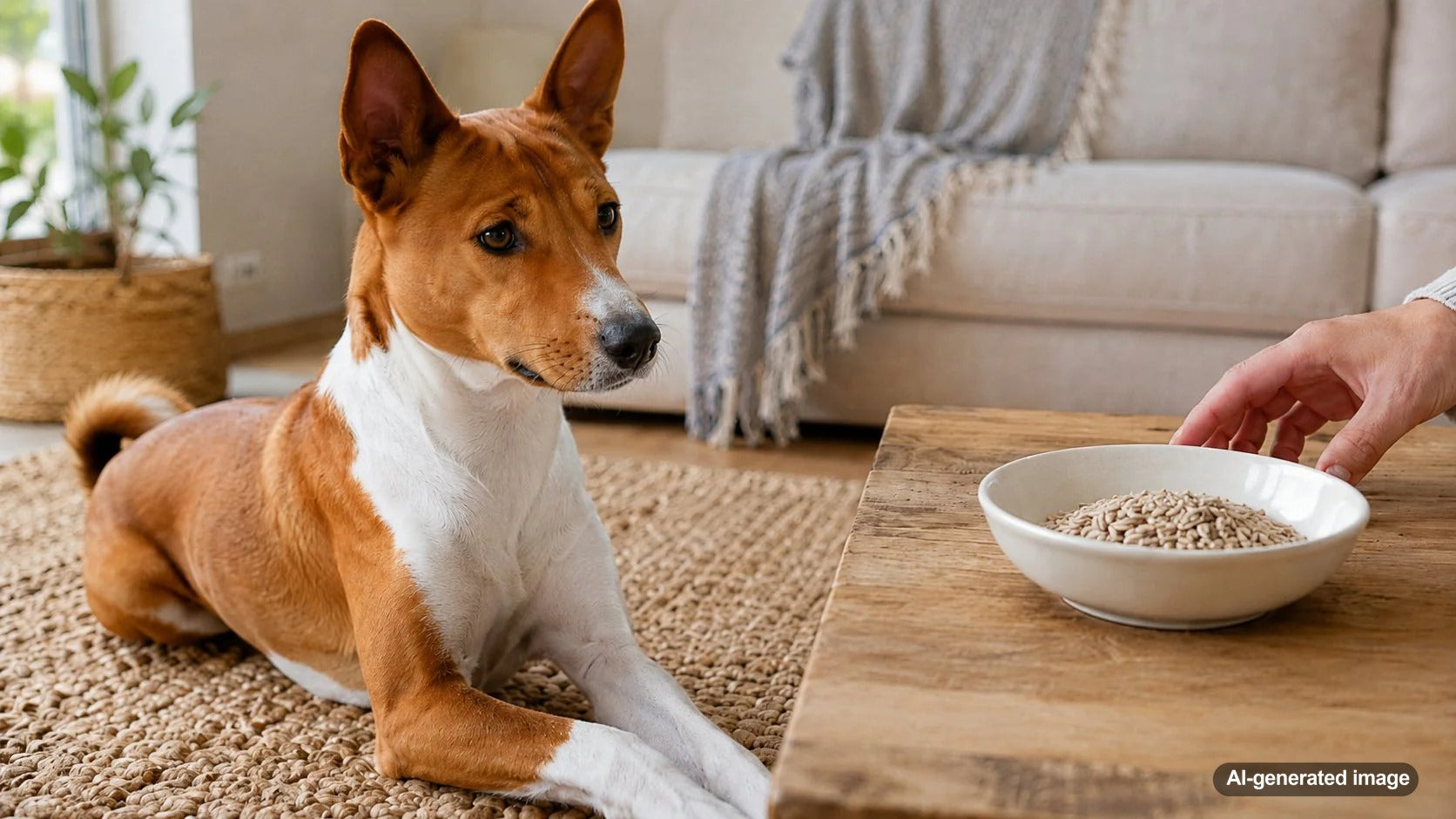
Can Dogs Eat Sunflower Seeds? Yes, many dogs can eat sunflower seeds, but only when they are plain, shelled, unsalted, and served in small amounts. The tiny seed inside can be an occasional crunchy treat, while the shell, salt, seasoning, and large portions are where problems usually begin. Like many human snacks, sunflower seeds are not automatically bad for dogs, but they do need a little dog-parent common sense before they land in the bowl.
If your dog is staring at you while you snack, you are not alone. Dogs are experts at making one tiny bite feel like a moral obligation. Before you share, it helps to know what is safe, what to avoid, and when a different treat or enrichment routine may be a better fit.
Quick answer: Can dogs eat sunflower seeds?
Dogs can eat a few plain, unsalted, shelled sunflower seeds as an occasional treat. Avoid sunflower seed shells, salted seeds, flavored seeds, trail mix, chocolate-covered seeds, and anything cooked with garlic, onion, spicy seasoning, or added sugar. Because sunflower seeds are calorie-dense and higher in fat, they should be a small topper or tiny snack, not a daily handful.
What makes sunflower seeds okay for dogs in small amounts?
The edible part of a sunflower seed contains fats, plant-based nutrients, and a little texture that some dogs enjoy. For healthy adult dogs, a few plain kernels are generally not a concern when served responsibly. They may work as a tiny training reward, a light food topper, or a fun ingredient in a homemade frozen treat.
The key phrase is small amounts. Dogs do not need sunflower seeds in their diet, and too many can upset the stomach or add more fat and calories than intended. This matters even more for dogs who are small, less active, prone to tummy trouble, overweight, or on a veterinarian-recommended diet.
The shell is the part to skip
Sunflower seed shells are tough, fibrous, and not especially friendly to a dog's digestive system. They can also be sharp or scratchy when chewed. If your dog grabs one or two dropped seeds with shells, it may not cause an issue, but intentionally feeding the shells is not worth the risk.
Always choose shelled kernels only. If you are using seeds from a snack bag, check carefully because even a few leftover shell pieces can be easy to miss, especially for dogs who inhale treats instead of chewing them.
Seeds to avoid
- Salted sunflower seeds
- Ranch, barbecue, spicy, garlic, onion, or seasoned varieties
- Sunflower seeds still in the shell
- Chocolate-covered or candy-coated seeds
- Trail mix with raisins, chocolate, macadamia nuts, or sweeteners
- Large servings, especially for small dogs or dogs with sensitive stomachs
How many sunflower seeds can a dog eat?
There is no perfect number for every dog because size, weight, activity level, diet, and health history all matter. A tiny dog may only need a few kernels, while a larger dog may tolerate a small pinch. When trying any new food, start smaller than you think and watch how your dog does.
A practical approach is to treat sunflower seeds like a garnish, not a snack bowl. Sprinkle a few shelled, unsalted kernels over food, press a tiny amount into a homemade frozen treat, or use one or two as a novelty reward. Treats of all kinds should stay limited so your dog's regular food still does the nutritional heavy lifting.
| Dog type | Smart approach |
|---|---|
| Small dogs | Start with just a few kernels. Their calorie needs are lower, so tiny extras add up fast. |
| Large dogs | A small pinch may be fine, but avoid handfuls. Bigger dogs can still get an upset stomach from too much fat. |
| Puppies | Go slowly and ask your veterinarian if you are unsure. Puppies have developing digestive systems and specific nutrition needs. |
| Senior dogs | Keep portions very small, especially if your dog has dental sensitivity, digestive changes, or a special diet. |
| Dogs with pancreatitis history or strict diets | Skip them unless your veterinarian says they are okay. |
What if your dog ate sunflower seeds by accident?
First, check what kind they were. Plain, shelled, unsalted kernels in a small amount are usually less concerning than a big pile of salted or seasoned seeds with shells. If your dog ate shells, a large quantity, or seeds mixed with unsafe ingredients, call your veterinarian or a pet poison helpline for guidance.
Watch for vomiting, diarrhea, loss of appetite, unusual tiredness, belly discomfort, excessive drooling, or signs your dog is straining. If symptoms appear, do not wait and see for too long. Your veterinarian can help you decide the safest next step based on your dog's size, what they ate, and how much time has passed.
Easy ways to serve sunflower seeds more safely
If you decide to share sunflower seeds, keep the routine simple. Choose plain, shelled, unsalted kernels. Chop or crush them for very small dogs or dogs who tend to gulp. Serve them with regular food or as part of a supervised enrichment activity instead of letting your dog snack from your hand by the handful.
Sunflower seeds can also be used sparingly in homemade enrichment treats. For example, you can blend a dog-safe base, add a tiny sprinkle of crushed shelled sunflower seeds, freeze it, and use it as a longer-lasting distraction. If you already make frozen treats at home, the Pupsicle Treat Tray can help portion dog-friendly mixtures into an easy shape for enrichment time.
Helpful tip for treat-loving dogs
If your dog gets pushy around human snacks, turn treat time into a routine instead of a negotiation. Offer a safe dog treat, puzzle toy, or frozen enrichment activity before you sit down with your own snack. This gives your dog something appropriate to focus on and can make begging easier to manage over time.
Are sunflower seeds better than dog treats?
Not necessarily. Sunflower seeds can be safe in the right form, but they are not designed around a dog's chewing style, enrichment needs, or daily routine. Many dogs get more value from treats and toys that encourage licking, chewing, sniffing, problem-solving, or calm focus.
If your dog loves crunchy rewards, tiny treats may be easier to portion and use consistently. If your dog needs to stay busy, a longer-lasting enrichment option like The Pupsicle may be a better fit than sharing bits of your snack. The goal is not just to give your dog a taste of something. It is to create a safe, satisfying moment that works for your dog's body and brain.
Dog Parent FAQs
Can dogs eat salted sunflower seeds?
It is best to avoid salted sunflower seeds. Dogs do not need the extra sodium, and salty snacks can be especially risky in larger amounts or for dogs with certain health concerns.
Can dogs eat sunflower seed shells?
No. Remove the shells before sharing sunflower seeds with your dog. Shells can be hard to digest and may irritate the mouth, throat, or digestive tract.
Can puppies eat sunflower seeds?
Puppies should stick mostly to puppy-appropriate food and treats. If you want to try sunflower seeds, ask your veterinarian first and keep the amount extremely small, plain, shelled, and unsalted.
Can dogs eat sunflower butter?
Some dogs can have a tiny taste of plain sunflower butter, but check the ingredient label first. Avoid added salt, sugar, chocolate, xylitol, or other sweeteners and seasonings. Because it is rich and fatty, serve only a very small amount.
Are sunflower seeds good for dog training?
They can work as an occasional novelty reward for some dogs, but they are tiny, fatty, and easy to overdo. For regular training, use small dog treats that are easy to portion and simple to carry.
The bottom line on dogs and sunflower seeds
So, can dogs eat sunflower seeds? Yes, as long as they are plain, shelled, unsalted, and offered in very small amounts. Skip the shells, skip the seasoning, and skip the snack-bag free-for-all. When in doubt, choose a dog-specific treat or ask your veterinarian, especially if your pup has digestive issues, weight concerns, allergies, or a medical history that affects their diet.
A few safe kernels can be a fun little extra, but the best treat routines are the ones that are easy to repeat, simple to supervise, and genuinely useful for your dog. Whether you are building a calmer afternoon, a better training habit, or a more enriching snack time, keep safety first and let your dog's comfort guide the plan.


