































































I
f you're a dog parent who enjoys a fresh spinach salad, you might wonder: can dogs eat spinach too? The answer is yes—but with some important caveats. Spinach can be a nutritious treat for your dog when prepared properly and served in moderation. Let's explore the benefits, risks, and best practices for feeding spinach to your canine companion.Spinach is packed with essential nutrients like vitamins A, C, and K, iron, and fiber, all of which can contribute to your dog's overall health. However, it's crucial to understand how to prepare and serve spinach to ensure it's safe for your pet.
Benefits of Spinach for Dogs
Spinach offers several health benefits for dogs:
- Vitamins A, C, and K: These vitamins support immune function, vision, and blood clotting.
- Iron: Essential for healthy blood and oxygen transport.
- Fiber: Aids in digestion and promotes regular bowel movements.
- Antioxidants: Help combat free radicals and reduce inflammation.
These nutrients can contribute to your dog's vitality and well-being when incorporated into their diet appropriately.
Risks of Feeding Spinach to Dogs
While spinach can be beneficial, there are potential risks to consider:
- Oxalates: Spinach contains oxalates, which can interfere with calcium absorption and may contribute to kidney stones in susceptible dogs.
- Digestive Upset: Some dogs may experience stomach upset, diarrhea, or vomiting if they consume too much spinach.
- Allergic Reactions: Though rare, some dogs may be allergic to spinach, leading to symptoms like itching or swelling.
How to Safely Feed Spinach to Your Dog
Follow these guidelines to safely incorporate spinach into your dog's diet:
- Cooked Spinach: Always cook spinach thoroughly to reduce oxalate levels and enhance digestibility. Avoid adding any seasonings, oils, or spices.
- Small Portions: Start with a small amount to see how your dog reacts. For small dogs, a teaspoon of cooked spinach is sufficient; larger dogs can have up to a tablespoon.
- Introduce Gradually: Introduce spinach slowly into your dog's diet to monitor for any adverse reactions.
- Consult Your Veterinarian: Before adding any new food to your dog's diet, consult your vet, especially if your dog has existing health conditions.
- Steam a handful of spinach, then puree with plain, unsweetened yogurt (no xylitol).
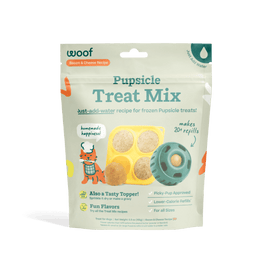
- Spoon tiny portions into the Pupsicle Treat Tray.
- Freeze until firm. Serve one bite to start and monitor tolerance.
Safe Alternatives to Spinach
If you're concerned about the risks associated with spinach, consider these safer vegetable alternatives:
- Green Beans: Low in calories and high in fiber, making them a great snack for dogs.
- Carrots: Rich in beta-carotene and good for dental health.
- Sweet Potatoes: Packed with vitamins and easy on the stomach.
- Broccoli: High in fiber and vitamin C, but should be given in moderation.
Conclusion
In conclusion, spinach can be a healthy addition to your dog's diet when prepared and served correctly. Always feed it in moderation, monitor your dog for any adverse reactions, and consult your veterinarian before introducing new foods. By following these guidelines, you can safely enjoy the benefits of spinach as a treat for your furry friend.