






































































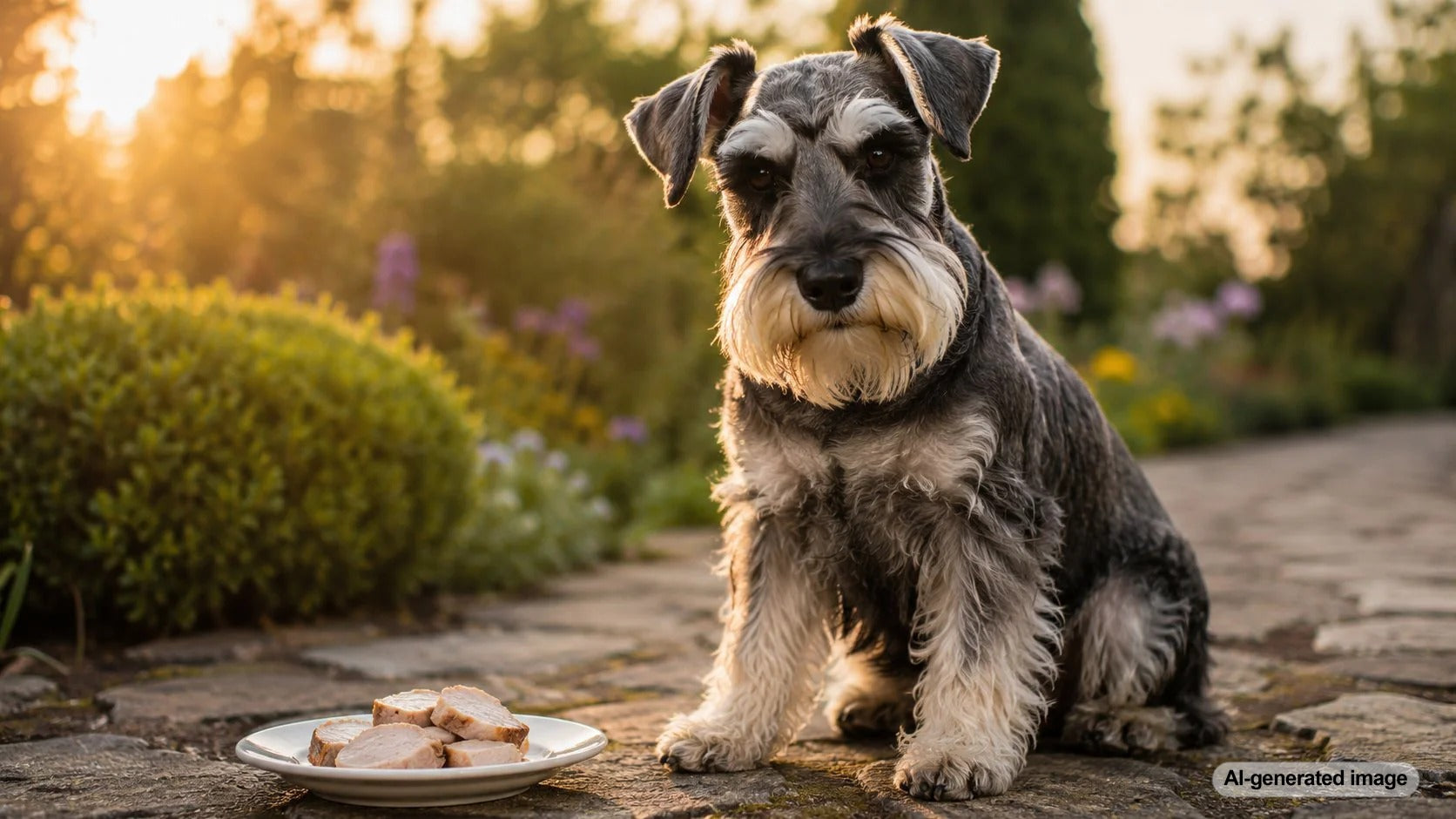
Can dogs eat pork? Yes, some dogs can eat small amounts of plain, fully cooked pork, but pork is one of those people foods where the details matter a lot. The pork chop on your dinner plate, the bacon at breakfast, the glazed holiday ham, and the raw scrap that fell near the counter are not all the same thing for your dog. Before you share a bite, it helps to know which pork is safe, which pork is risky, and when it is smarter to choose a dog-friendly treat instead.
Pork can be tempting because many dogs love the smell of meat, fat, and smoky flavors. The problem is that the parts humans enjoy most are often the exact parts dogs do not need: salt, seasoning, sauces, grease, bones, and rich fatty edges.
Quick answer: Dogs can eat plain, fully cooked, boneless pork in small amounts. Avoid raw pork, undercooked pork, pork bones, bacon, ham, sausage, heavily seasoned pork, barbecue sauce, onion, garlic, and fatty scraps. If your dog has pancreatitis, a sensitive stomach, food allergies, or is on a special diet, ask your veterinarian before offering pork.
Can Dogs Eat Pork Safely?
For many healthy adult dogs, a small bite of lean cooked pork is not automatically dangerous. The safest version is simple: cooked all the way through, unseasoned, trimmed of visible fat, and cut into small pieces. Think plain pork tenderloin or a small piece of pork loin, not salty breakfast meat or saucy barbecue.
Start smaller than you think. A bite the size of a pea or two is enough for a small dog trying pork for the first time. Medium and large dogs can still react to rich foods, so do not use size as permission to hand over a pile of leftovers. Watch for vomiting, diarrhea, gas, belly discomfort, itching, or unusual tiredness after your dog eats something new.
What Kinds of Pork Should Dogs Avoid?
The risky pork list is longer than the safe pork list. Most pork served to people is prepared for flavor, not canine digestion.
| Pork Item | Can dogs have it? | Why it matters |
|---|---|---|
| Plain cooked lean pork | Sometimes, in tiny amounts | Best when boneless, unseasoned, and trimmed of fat. |
| Bacon | No | High in fat and salt, and often too rich for dogs. |
| Ham | No | Usually salty, cured, and sometimes glazed or seasoned. |
| Sausage | No | Often contains fat, salt, spices, onion, garlic, or other additives. |
| Pork bones | No | Can splinter, choke, damage teeth, or injure the digestive tract. |
| Raw pork | No | May carry parasites or bacteria that can make dogs sick. |
Why Seasoning Is a Big Deal
A plain bite of pork is very different from pork cooked with garlic powder, onion powder, barbecue rub, spicy marinade, gravy, butter, or heavy salt. Onion and garlic ingredients are not safe for dogs, and high-sodium foods can be especially concerning for dogs with heart, kidney, or blood pressure issues.
Barbecue pork deserves its own warning. Pulled pork, ribs, and glazed pork can contain sugar, smoke flavor, spice blends, and sauces that are not dog-friendly. Even when the meat smells irresistible, the safest choice is to keep sauced and seasoned pork out of your dog's bowl.
Can Puppies, Seniors, and Sensitive Dogs Eat Pork?
Puppies have developing digestive systems, and rich new foods can cause diarrhea quickly. Senior dogs may have medical conditions, dental issues, or prescription diets that make table scraps a poor choice. Dogs with a history of pancreatitis, sensitive stomachs, allergies, inflammatory bowel issues, or weight concerns should skip pork unless your veterinarian says otherwise.
Small dogs are especially easy to overfeed. One cube of pork may be a snack to you, but for a tiny dog it can be a meaningful amount of calories and fat. Large dogs can also get into trouble if they steal a whole plate, raid the trash, or swallow bones before anyone notices.
Call your veterinarian if: your dog ate raw pork, pork bones, a large amount of fatty pork, ham, bacon, sausage, or seasoned pork, or if you notice vomiting, diarrhea, repeated swallowing, drooling, belly pain, bloating, weakness, restlessness, or unusual behavior.
How to Offer Pork If Your Vet Says It Is Okay
If your dog is healthy and you want to share a tiny taste, keep it boring in the best possible way. Cook the pork thoroughly, remove all bones, trim off fat, skip every seasoning, and cut the meat into small pieces. Offer it separately from your dog's regular food so you can tell how they respond.
Do not make pork a daily habit unless it is part of a complete and balanced diet recommended by your veterinarian or a veterinary nutrition professional. Random people-food add-ons can crowd out the nutrition your dog actually needs, especially for picky eaters who start holding out for table scraps.
Better Ways to Satisfy the Meat-Loving Dog
If your dog stares at your plate every time pork is served, redirect that excitement into safer routines. A training session with dog-specific treats, a puzzle toy during dinner, or a long-lasting lick activity can keep your pup busy without relying on greasy scraps.
For dogs who love a high-value reward, Woof's Super Strips are protein-rich jerky strips made for treating and rewarding. For a longer distraction while the humans eat, The Pupsicle can help turn treat time into an interactive enrichment session instead of a begging-at-the-table routine.
Dog-parent tip: If your dog is a professional counter surfer, set up their enrichment before pork hits the table. A planned activity is easier than trying to negotiate with a dog who just discovered bacon.
What If Your Dog Already Ate Pork?
First, figure out what they ate and how much. A single small piece of plain cooked pork is usually less concerning than raw pork, cooked bones, bacon grease, ham, sausage, or heavily seasoned leftovers. Check the trash, the plate, and any missing bones so you can give your veterinarian clear details if needed.
If your dog seems normal, offer water and monitor them closely. Do not give medications or home remedies unless your veterinarian tells you to. If your dog ate bones, a large amount of fatty meat, or anything with onion, garlic, or heavy seasoning, contact your vet or an emergency animal clinic for guidance.
Dog Parent FAQs
Can dogs eat cooked pork?
Yes, some dogs can have a very small amount of plain, fully cooked, boneless pork. It should be unseasoned and trimmed of fat.
Can dogs eat bacon?
No. Bacon is usually too salty and fatty for dogs and can cause digestive upset or more serious problems in some pups.
Can dogs eat pork bones?
No. Pork bones can splinter, cause choking, damage teeth, or injure the mouth, throat, stomach, or intestines.
Can dogs eat ham?
Ham is not a good choice for dogs because it is typically cured, salty, and sometimes glazed or seasoned.
What should I give my dog instead of pork scraps?
Choose dog-specific treats, a puzzle toy, a lick mat, or an enrichment toy designed for safe treating. These options are easier to portion and better suited to daily routines.
The Bottom Line on Pork for Dogs
Pork is not automatically off-limits, but it is not a free-for-all food either. The safest version is plain, fully cooked, boneless, lean, and offered only as an occasional tiny bite. Skip the bacon, ham, sausage, bones, raw pork, fatty scraps, and seasoned leftovers.
When in doubt, choose the boring-safe answer over the risky-delicious one. Your dog can still enjoy plenty of flavor, chewing, licking, and enrichment without turning dinner scraps into digestive drama.


