






































































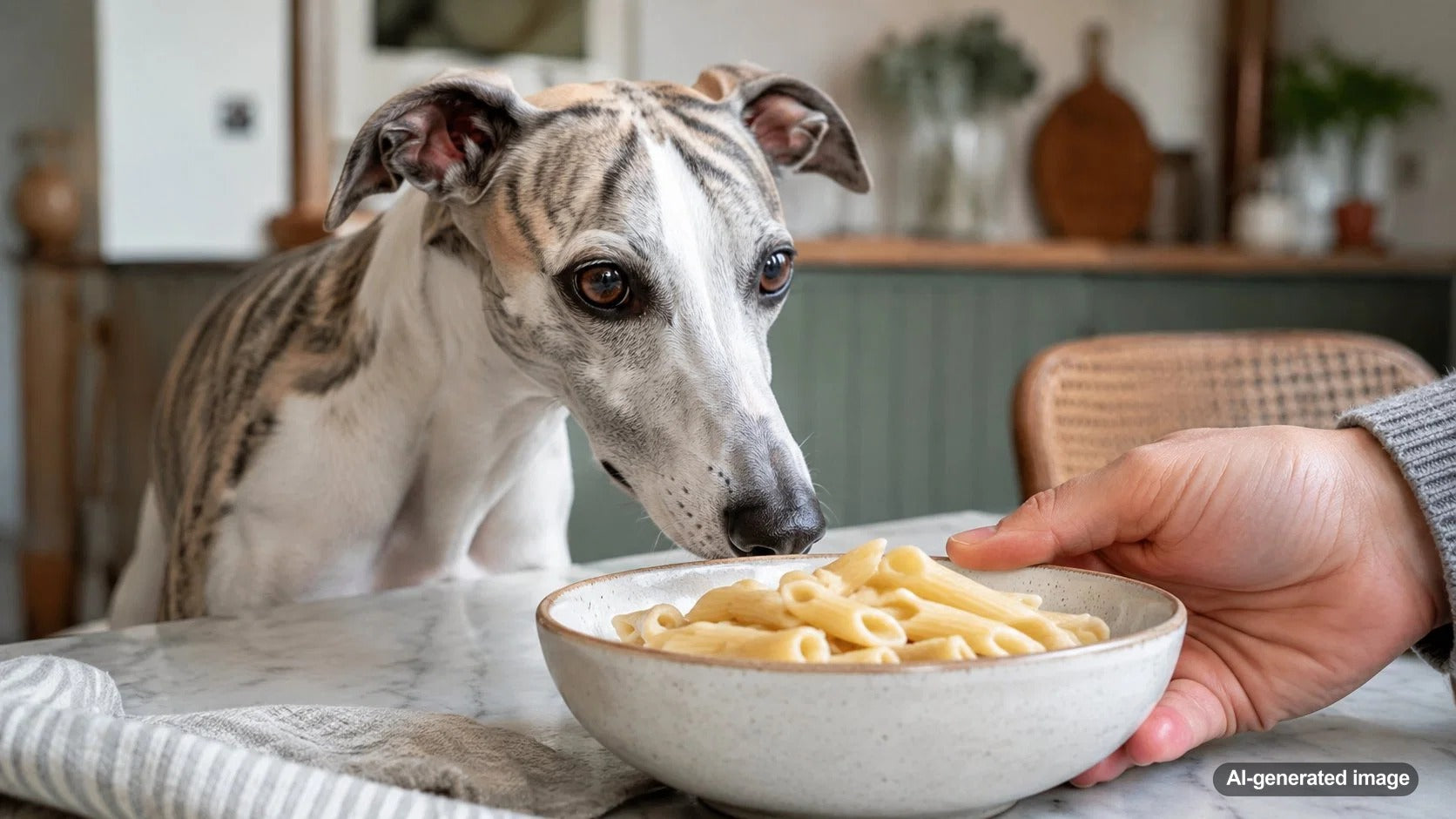
Yes, many dogs can eat a small amount of plain, fully cooked quinoa pasta, as long as the ingredient list is dog-safe and the pasta is served without sauce, butter, garlic, onion, or heavy seasoning. Quinoa itself is generally considered safe for dogs when cooked, and it appears in some commercial dog foods. Still, quinoa pasta is best treated as an occasional extra rather than a regular part of your dog's diet.
The important word here is plain. A forkful of cooled quinoa pasta is very different from a bowl tossed with pesto, garlic, cheese sauce, spicy seasoning, or lots of salt. It is also worth checking the package because many quinoa pastas are blends made with other ingredients, not 100 percent quinoa.
What Makes Plain Quinoa Pasta Different From Regular Pasta?
Quinoa is a seed commonly used like a grain. It provides protein, fiber, and several minerals, but that does not automatically make quinoa pasta a nutritional upgrade for your dog. Dogs should get the bulk of their nutrition from a complete and balanced dog food designed for their life stage.
Quinoa pasta also varies by brand. Some varieties combine quinoa with rice, corn, lentils, chickpeas, or other flours to improve texture. Those ingredients may be fine for many dogs, but they matter if your dog has known food sensitivities. Read the ingredient list rather than relying only on the words "quinoa pasta" on the package.
How to Serve Quinoa Pasta to a Dog Safely
Cook the pasta until soft, then set aside your dog's portion before adding anything for the human meal. Let it cool completely and offer only a small piece or two the first time. Starting tiny makes it easier to see how your dog handles a new food without turning one taste into a stomach-upsetting serving.
Size matters, too. A few pasta pieces can be a much bigger snack for a 10-pound dog than for a 70-pound dog. Keep extras modest and remember that treats and human-food add-ons should remain a small part of the overall diet.
What Should You Avoid Adding?
Quinoa pasta that is fine when plain can become a poor choice once it is dressed up. Garlic and onion are especially important to avoid because they can be toxic to dogs. Rich sauces, lots of cheese, butter, excess oil, and salty seasonings can also make a simple bite more likely to upset your dog's stomach or add unnecessary calories.
If the pasta came from your dinner plate and you are not completely sure what went into the sauce or seasoning, skip sharing it. When you need an easy reward without ingredient guesswork, Woof's Love Nuggets are bite-sized training treats made specifically for rewarding dogs.
Can Quinoa Pasta Upset a Dog's Stomach?
It can. Even foods that are generally safe may not agree with every dog. Quinoa naturally contains compounds called saponins, and some dogs may simply be sensitive to quinoa or to a new source of fiber and starch. A large serving can also be harder on the digestive system than a tiny taste.
Watch for vomiting, diarrhea, constipation, unusual gas, loss of appetite, or other noticeable changes after trying a new food. If symptoms are significant or persistent, or your dog seems unwell, contact your veterinarian. For a first taste, the simplest approach is best: plain, cooked, cooled, and tiny.
Is Quinoa Pasta a Good Enrichment Food?
A few soft pieces can work occasionally in a food puzzle or training game, but quinoa pasta is not especially long-lasting. If your goal is to keep your dog engaged while you take a call, prepare dinner, or help them settle, a purpose-built enrichment routine may be more useful.
For example, The Pupsicle is designed for longer-lasting treat play and gives dogs something appropriate to lick and work on. That can be a better routine than repeatedly sharing bites from the table, especially for dogs who have learned that hovering beside your dinner earns snacks.
When Should You Skip Quinoa Pasta?
Skip it if the pasta contains unsafe add-ins or if your dog has previously reacted poorly to quinoa or another ingredient in the blend. Check with your veterinarian before adding new human foods if your dog has diabetes, pancreatitis, chronic digestive trouble, food allergies, needs weight management, or follows a therapeutic diet.
Puppies and senior dogs deserve extra thought as well. Puppies need carefully balanced nutrition for growth, while some seniors have medical or digestive needs that make random extras less helpful. A food being safe for many dogs does not necessarily mean it is useful for every individual dog.
Dog Parent FAQs
Can dogs eat quinoa pasta every day?
It is better as an occasional extra. Your dog's main diet should be complete and balanced, and frequent pasta add-ons can contribute extra calories without providing everything your dog needs.
Can dogs eat quinoa pasta with olive oil?
A tiny amount of plain olive oil is not usually the main concern, but added oil increases calories and may bother sensitive stomachs. Plain pasta is the simpler choice.
Can dogs eat quinoa pasta with tomato sauce?
It is best to avoid it unless you know every ingredient is dog-safe. Many sauces contain onion, garlic, added salt, sugar, spices, or other ingredients that are not appropriate for dogs.
Is quinoa pasta better than wheat pasta for dogs?
Not necessarily. Quinoa pasta may suit some dogs, but most dogs do not need to avoid wheat unless there is a specific sensitivity or veterinary reason. Portion size and the full ingredient list matter more than a gluten-free label.
The Bottom Line on Plain Quinoa Pasta
If your dog gives you the hopeful stare while you are draining a pot of quinoa pasta, sharing a tiny plain piece is generally reasonable for many healthy dogs. Keep it cooked, cooled, unseasoned, and occasional, and check the package for blended ingredients. If your dog has special dietary needs or reacts poorly after eating it, leave quinoa pasta off the treat menu and ask your veterinarian for guidance.


