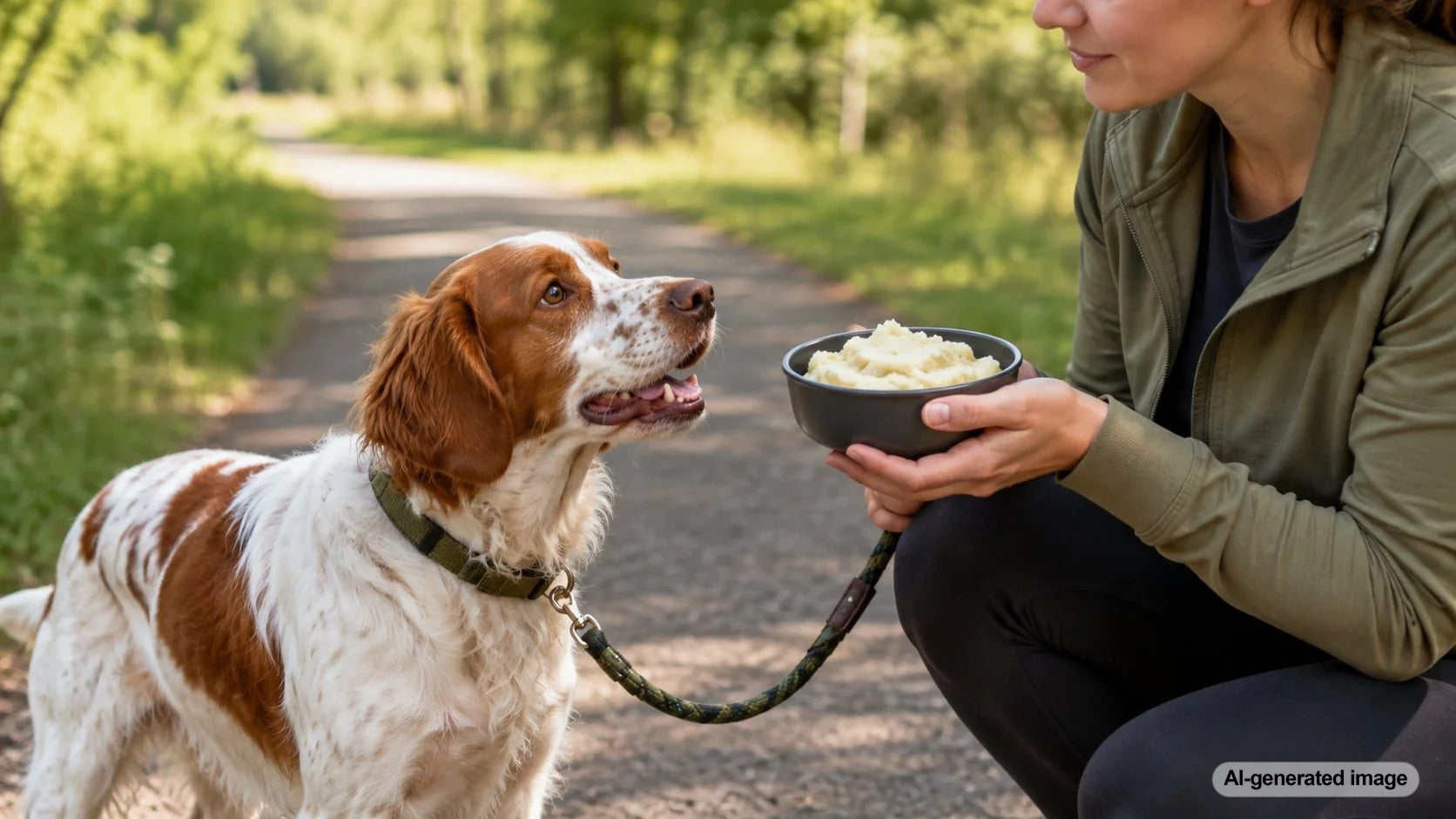
Yes, dogs can eat plain mashed potatoes in small amounts when the potatoes are fully cooked and served without butter, cream, milk, salt, garlic, onion, gravy, or other seasonings. The word plain matters much more than many dog parents realize because the mashed potatoes on a family dinner table are often very different from a simple cooked potato. If you want to share a little with your pup, keeping the ingredient list boring is actually the safest approach.
Think of mashed potatoes as an occasional extra rather than a regular part of your dog's meals. They are mostly a carbohydrate-rich human food, so a small taste can be fine for many healthy dogs, but a big scoop can add unnecessary calories and may upset a sensitive stomach.
Quick Answer: Can Dogs Eat Plain Mashed Potatoes?
Usually, yes. A small amount of fully cooked potato that has been mashed without butter, milk, cream, salt, gravy, garlic, onion, or seasoning can be offered as an occasional treat. Avoid raw potatoes, green potatoes, potato sprouts, and heavily seasoned mashed potatoes.
What Makes Mashed Potatoes Dog-Friendly?
The safest version is surprisingly simple: peel or thoroughly prepare a fresh potato, cook it completely, mash it, and serve it plain. Boiled potatoes are an easy choice because you do not need oil or added fat during cooking.
Cooking matters. Raw or green potatoes contain higher amounts of naturally occurring compounds that dogs should not consume. Green areas, sprouts, and potatoes that have been sitting around long enough to turn green should stay out of your dog's bowl altogether.
Once the potato is fully cooked and plain, the bigger concern becomes portion size. Mashed potatoes are calorie-dense compared with many dog-friendly vegetables, so a spoonful is very different from filling half the dinner bowl.
Why Regular Mashed Potatoes Can Be a Problem
The potatoes themselves are often not what makes the dish unsuitable for dogs. It is everything people mix into them.
Traditional mashed potato recipes may contain butter, heavy cream, milk, cheese, salt, garlic, onion powder, chives, bacon, or gravy. Rich, fatty ingredients can cause digestive upset in some dogs, while onions, garlic, and related ingredients should be avoided because they can be toxic to dogs.
Seasoning packets and prepared mashed potato mixes deserve extra attention too. Something labeled as "buttery," "loaded," or "garlic" mashed potatoes is not the same thing as a plain cooked potato.
Before sharing from your plate: Ask yourself whether the potatoes contain onion, garlic, chives, lots of salt, butter, cream, cheese, gravy, or other seasonings. If you are not sure what went into the dish, skip sharing it with your dog.
How Much Plain Mashed Potato Can a Dog Have?
There is no single serving size that fits every dog. A Chihuahua, a Beagle, and a Great Dane obviously should not receive the same amount of an extra food.
For most dogs, think in terms of a taste rather than a side dish. A small dog might get a teaspoon, while a larger dog could have a spoonful or two. The potato should remain a small part of the day's overall food intake rather than replacing your dog's normal nutritionally balanced meal.
Puppies deserve even more restraint because they need carefully balanced nutrition for growth. Senior dogs, overweight dogs, and dogs with diabetes or other dietary restrictions may also need stricter limits. If your veterinarian has your dog on a specific diet, check before adding human foods such as potatoes.
Can Mashed Potatoes Be Used for Dog Enrichment?
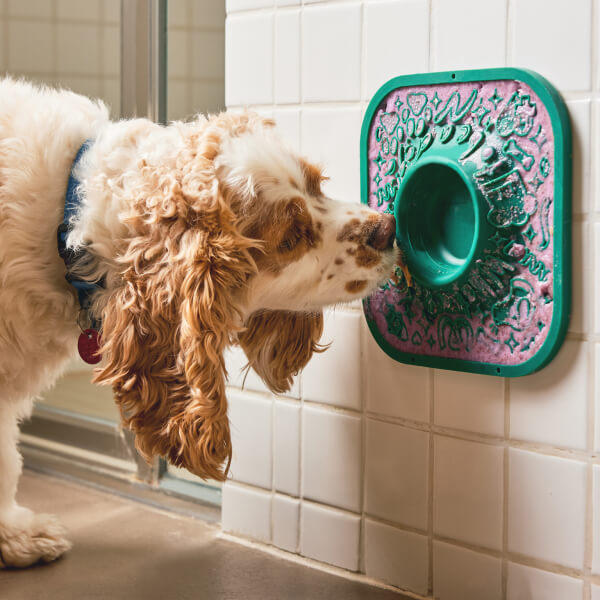
If your dog tolerates potato well, a very small amount of plain mashed potato can occasionally become part of enrichment instead of simply being handed over from your plate.
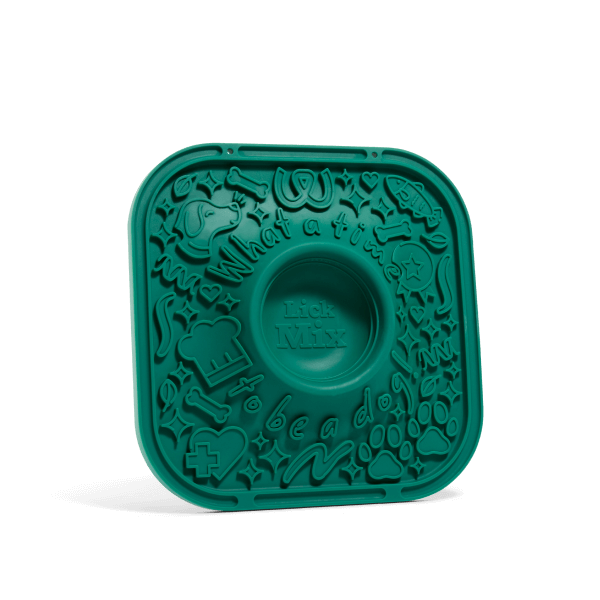
For example, you can spread a thin layer onto The LickMat and let your dog work through the textured surface. Licking can turn a tiny portion into a longer activity, which is much more engaging than swallowing a spoonful in two seconds.
You can also place a small amount into a Pupsicle Treat Tray, freeze it, and use the frozen portion as an occasional homemade enrichment treat. Just remember that homemade additions should stay simple and should not crowd out your dog's regular food.
Helpful tip: If you are trying a new food, offer a very small amount the first time. That makes it easier to see how your dog's stomach handles it before offering more.
What About Mashed Potatoes With Milk or Butter?
A tiny accidental lick is unlikely to be the same as serving your dog an entire bowl, but dairy and added fats can be difficult for some dogs to digest. Dogs vary in how well they tolerate milk products, and rich foods may lead to gas, loose stool, vomiting, or other stomach trouble.
Butter also adds a lot of fat without providing a meaningful reason to include it in your dog's treat. If you are intentionally making a dog-friendly portion, scoop out some cooked potato before you add the ingredients that make mashed potatoes delicious for humans.
Are Instant Mashed Potatoes Safe for Dogs?
Plain instant potatoes are not automatically dangerous, but ingredient lists can vary considerably. Many prepared products contain added salt, dairy ingredients, flavorings, onion powder, garlic powder, or other seasonings.
If you are considering sharing instant mashed potatoes, read the full ingredient label first. In most cases, cooking one plain potato specifically for your dog is simpler than trying to decode a flavored human-food mix.
What If My Dog Ate a Lot of Mashed Potatoes?
If the potatoes were completely plain, watch your dog for digestive upset such as vomiting, diarrhea, unusual discomfort, or loss of appetite. A larger-than-normal portion may simply be too much rich or unfamiliar food for some dogs.
If the mashed potatoes contained onion, garlic, chives, a large amount of salt, or another ingredient that may be harmful, contact your veterinarian promptly for guidance. The amount eaten, your dog's size, and the specific ingredients all matter.
Seek veterinary advice as well if your dog develops repeated vomiting, significant diarrhea, weakness, excessive drooling, abdominal discomfort, or any major change in behavior after eating something unusual.
Dog Parent FAQs
Can dogs eat mashed potatoes every day?
Mashed potatoes are better treated as an occasional extra. Your dog's everyday diet should come primarily from nutritionally complete and balanced dog food unless your veterinarian recommends otherwise.
Can dogs eat mashed potatoes with gravy?
It is best to avoid them. Gravy may contain onion, garlic, lots of salt, fat, or other seasonings that are not appropriate for dogs.
Can puppies eat plain mashed potatoes?
A tiny amount of plain, fully cooked potato may be tolerated by many puppies, but puppies need carefully balanced nutrition for growth. Keep extras minimal and ask your veterinarian if you have questions about your puppy's diet.
Can dogs eat mashed potatoes with the skin?
Small amounts of properly cooked potato skin may be tolerated by some dogs, but peeling the potato creates a simpler texture and reduces the chance of tough pieces. Never serve green potato skin or sprouts.
Are sweet potatoes better for dogs than white potatoes?
Both can be offered cooked and plain in moderation. They have different nutrient profiles, but neither needs to be part of a healthy dog's diet if the dog already eats a complete and balanced food.
The Bottom Line
So, can dogs eat plain mashed potatoes? Yes, many dogs can enjoy a small amount of fully cooked, completely plain mashed potato as an occasional treat. The biggest mistakes happen when "plain" quietly turns into butter, cream, salt, garlic, onion, cheese, or gravy.
If you want to share some, set aside your dog's portion before seasoning the family's potatoes. Keep the serving small, introduce it gradually, and consider turning that little spoonful into a more engaging licking activity instead of simply adding more food to the bowl. When in doubt about your dog's individual dietary needs, your veterinarian is the best person to ask.