Can dogs eat plain kefir in a lick toy? For many dogs, the answer is yes, plain unsweetened kefir can be used in small amounts as a tasty lick toy topping or frozen enrichment filler. The key is choosing the right kind, starting slowly, and watching how your dog's belly responds, especially if dairy has caused gas, loose stool, or tummy trouble before.
Kefir is a fermented dairy drink with live cultures, a tangy smell, and a thinner texture than yogurt. Because it is fermented, it is often easier for some dogs to tolerate than regular milk, but that does not mean every dog should dive into a full lick mat covered in it. Think of kefir as a small enrichment ingredient, not a meal replacement, supplement plan, or cure for digestive issues.
Quick answer
Yes, dogs can eat plain kefir in a lick toy if it is unsweetened, unflavored, free from xylitol or other unsafe sweeteners, and served in a small amount. Start with a teaspoon or two for small dogs and a tablespoon for larger dogs, then adjust only if your dog tolerates it well. If your dog has pancreatitis, food allergies, chronic digestive issues, or a sensitive stomach, ask your veterinarian before adding kefir.
Why kefir works well in a lick toy
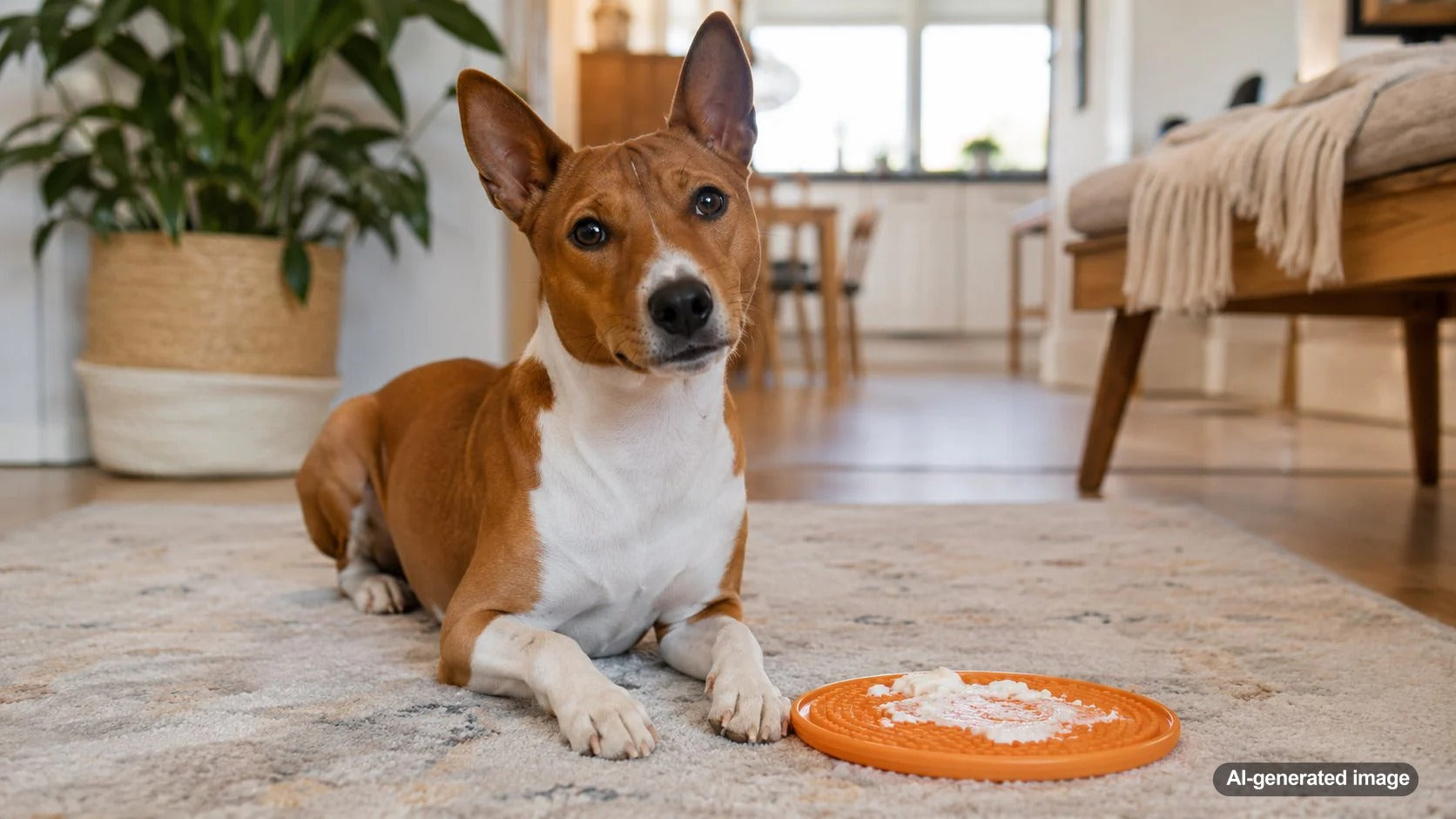
Licking is naturally repetitive, focused, and soothing for many dogs. When you spread a soft food into a textured toy, your dog has to work slowly instead of gulping it in seconds. That can turn a tiny amount of kefir into several minutes of calm enrichment.
This is especially helpful for dogs who get bored while you answer emails, puppies who need a quiet crate activity, or pups who pace around before grooming, bath time, or guests arriving. A lick toy gives their brain a job without asking for high-energy play.
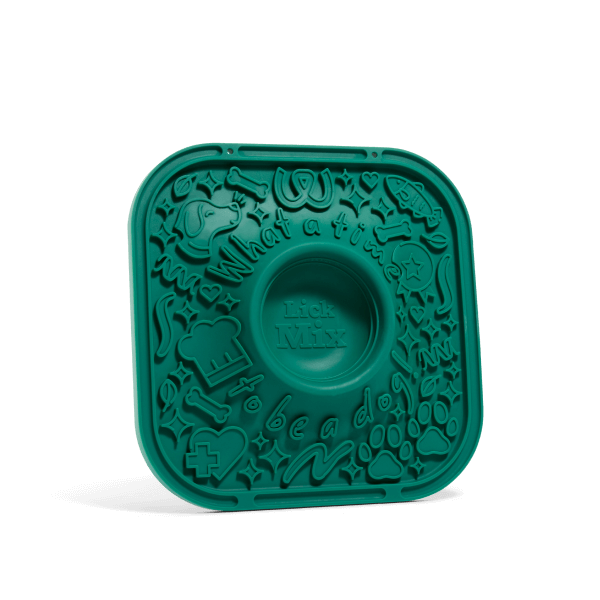
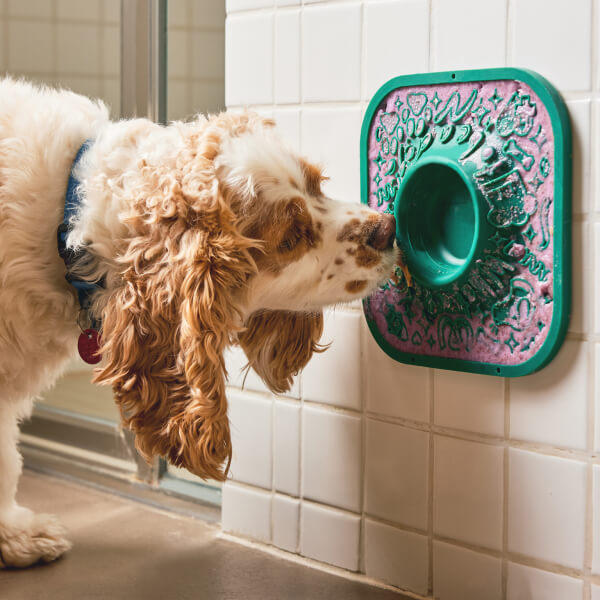
For kefir, texture matters. Its thinner consistency can run off flat surfaces, so it often works best when mixed with a thicker dog-safe base, frozen lightly, or spread into deeper grooves. Woof's The LickMat is made for slower licking and everyday distraction, while the FlipMat gives you two challenge levels for pups who need a little extra brain work.
How to choose dog-friendly kefir
Pick plain, unsweetened kefir with a simple ingredient list. Avoid flavored kefir, fruit-on-the-bottom styles, chocolate, added sugar, dessert flavors, and anything with artificial sweeteners. Xylitol is especially dangerous for dogs, so always read the label closely before serving any dairy product.
Full-fat kefir may be too rich for some dogs, particularly those prone to digestive upset or pancreatitis. If your dog needs a lower-fat diet, has a medical history, or reacts poorly to rich foods, get your vet's guidance first. Goat milk kefir is popular with some dog parents, but it still needs the same label check and slow introduction.
How much plain kefir should go in a lick toy?
Start smaller than you think. A lick toy can make a small serving feel like a big activity, which is exactly the point. For toy breeds and small dogs, begin with about 1 teaspoon. Medium dogs may start with 1 to 2 teaspoons. Large dogs may try around 1 tablespoon. These are general starting points, not strict rules.
After the first serving, watch your dog for loose stool, extra gas, vomiting, itching, ear flare-ups, or a sudden change in appetite. If anything seems off, stop serving kefir and check with your veterinarian. Dogs with sensitive stomachs may do better with a non-dairy lick toy filling instead.
Easy kefir lick toy combinations
Plain kefir can be served by itself, but many dog parents find it easier to mix it with a thicker ingredient. Try stirring a small amount into plain pumpkin puree, mashed banana, or your dog's regular wet food. You can also drizzle a little kefir over kibble pressed into a lick mat for a slower snack.
For picky dogs, keep the first recipe simple. Too many new ingredients at once make it harder to know what caused a belly reaction. A smart first try might be plain kefir spread thinly into one corner of the toy, not the whole surface.
For puppies, go extra slow. Their digestive systems are still developing, and rich treats can catch up with them quickly. For seniors, consider texture and comfort. A soft lick routine can be a gentle activity, but any sudden appetite change, drooling, mouth pain, or weight change deserves a vet call.
Common mistakes to avoid
- Using vanilla, berry, honey, or sweetened kefir instead of plain unsweetened kefir.
- Filling the entire toy the first time your dog tries kefir.
- Assuming fermented dairy is safe for every lactose-sensitive dog.
- Leaving a dairy-filled toy out too long, especially in warm weather.
- Using kefir to manage ongoing diarrhea, vomiting, or appetite changes without veterinary advice.
Clean the lick toy thoroughly after every dairy-based session. Kefir can settle into grooves, and leftover residue can get sour fast. If your dog likes to carry lick toys around the house, offer kefir in an easy-clean area like the kitchen, crate mat, or patio.
When kefir may not be the right choice
Skip kefir if your dog has a known dairy allergy, reacts badly to yogurt or cheese, or has been told to avoid rich foods. Also pause if your dog is currently dealing with vomiting, diarrhea, major gas, appetite loss, or unexplained behavior changes. A lick toy can support a routine, but it should not be used to cover up symptoms.
If your main goal is calm enrichment rather than probiotics, you have plenty of options. A dog-safe spread, soaked kibble, pumpkin, or a Woof LickMix can create the same slow licking activity without relying on dairy. For dogs who need a grab-and-go option, a prepared lick routine can be easier to repeat than opening the fridge and guessing portions every time.
Dog Parent FAQs
Can dogs have kefir every day?
Some dogs may tolerate small amounts regularly, but daily kefir is not necessary for every dog. Start occasionally and ask your veterinarian if you want to make it part of your dog's daily wellness routine.
Is plain kefir better than yogurt for lick toys?
Kefir is thinner and usually more pourable, while yogurt is thicker and easier to spread. Either should be plain, unsweetened, and introduced slowly. For lick toys, kefir often works best mixed with a thicker base or lightly frozen.
Can I freeze kefir in a lick toy?
Yes, you can freeze a small amount of plain kefir in a lick toy. Freezing can slow your dog down and make the activity more engaging, but supervise your dog and remove the toy once the treat is finished.
What should I do if kefir gives my dog diarrhea?
Stop serving kefir and give your dog's stomach a break. If diarrhea continues, is severe, includes vomiting, or your dog seems tired or unwell, contact your veterinarian.
The bottom line on kefir lick toy time
Plain kefir can be a fun, dog-friendly addition to a lick toy when it is served carefully. Keep it plain, keep portions small, and treat it as one possible enrichment ingredient among many. When your dog tolerates it well, kefir can turn a simple lick session into a calm, focused moment that feels special without making treat time complicated.