






































































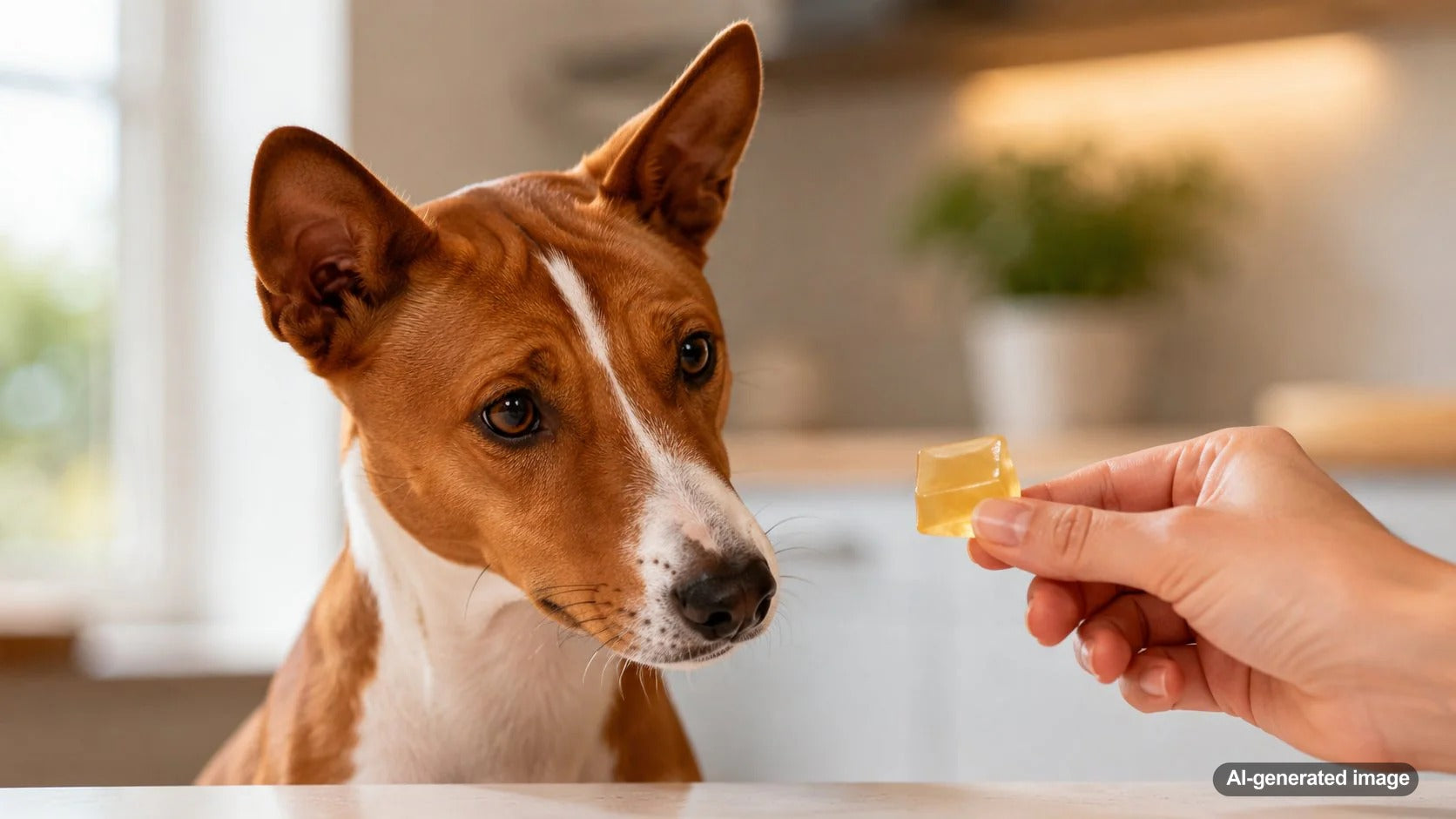
Can Dogs Eat Plain Gelatin Treats? Yes, many dogs can have plain, unflavored gelatin treats in small amounts, as long as the recipe is simple and free from unsafe add-ins. The key word is plain: no sugar-free sweeteners, no artificial flavors, no chocolate, and no mystery ingredients hiding in the mix. For dog parents who love making homemade snacks, gelatin can be a fun way to create cool, wiggly treats that feel special without turning treat time into a complicated project.
Gelatin treats can be especially handy when you want something soft, easy to portion, and freezer-friendly. They can work nicely for senior dogs who prefer gentler textures, picky pups who like novelty, or dogs who enjoy a little extra enrichment during warm weather. Still, gelatin treats should be treated as extras, not as a replacement for a balanced diet or veterinary guidance.
Quick answer: Dogs can eat plain gelatin treats in moderation when they are made with unflavored gelatin and dog-safe ingredients. Avoid flavored gelatin desserts, sugar-free gelatin, and recipes with xylitol, chocolate, grapes, raisins, alcohol, or too much dairy. Start small, watch your dog, and ask your veterinarian if your pup has allergies, digestive issues, pancreatitis, diabetes, kidney disease, or a special diet.
What Counts as Plain Gelatin?
Plain gelatin usually means unflavored, unsweetened gelatin powder made from collagen. It has very little taste on its own and is often used to help liquid set into a firmer texture. That is different from brightly colored gelatin dessert mixes, which may contain sugar, artificial flavors, colors, or sweeteners that are not ideal for dogs.
For dog treats, the safest approach is to start with plain gelatin and mix it with a simple dog-friendly liquid, such as low-sodium broth made without onion or garlic. Some dog parents also use blended pumpkin, a small amount of plain yogurt if their dog tolerates dairy, or mashed banana. Keep the ingredient list short, especially the first time you make them.
Why Dog Parents Like Gelatin Treats
Plain gelatin treats are popular because they are easy to customize. You can pour the mixture into small molds, slice it into training-sized cubes, or freeze it for a cooler texture. Since the texture is soft, gelatin treats can be useful for dogs who do not love crunchy snacks or for older pups who need gentler chewing options.
They can also make enrichment feel more interesting. A dog who usually inhales treats may slow down when a chilled gelatin snack is tucked into a food-safe enrichment toy or served in small pieces during a calm routine. Licking and nibbling can give some dogs a more focused treat experience than simply swallowing a biscuit in one second.
What to Avoid in Gelatin Treats for Dogs
The biggest mistake is assuming all gelatin-style snacks are the same. Human gelatin desserts are often too sweet, and sugar-free versions can be risky if they contain xylitol, sometimes labeled as birch sugar or wood sugar. Xylitol is dangerous for dogs and should never be used in dog treats.
Skip these ingredients: xylitol, chocolate, cocoa, grapes, raisins, macadamia nuts, alcohol, coffee, onion, garlic, heavily salted broth, and rich fatty add-ins. If your dog eats something questionable or shows vomiting, diarrhea, weakness, shaking, excessive drooling, or unusual behavior, contact your veterinarian or an emergency pet poison resource right away.
Also be careful with peanut butter, yogurt, and broth. Peanut butter must be xylitol-free, yogurt should be plain and unsweetened, and broth should not contain onion or garlic. If your dog has a sensitive stomach, start with a tiny serving and keep the recipe extra simple.
How Much Plain Gelatin Treat Can a Dog Have?
There is no one perfect serving size for every dog. A tiny Chihuahua and a big Lab should not get the same portion, and puppies or seniors may need slower introductions. For a first try, think small: one little cube for a small dog, a couple of small cubes for a medium dog, and a few small cubes for a large dog.
Watch your dog for the next day. If you notice loose stool, gas, vomiting, itchiness, or a change in appetite, pause the treats and check with your veterinarian. Treats of all kinds should stay limited so your dog still gets most of their nutrition from a complete and balanced food.
| Dog | Smart First Step | What to Watch |
|---|---|---|
| Puppy | Offer a tiny piece and keep ingredients simple. | Soft stool or belly upset. |
| Senior dog | Use a soft texture and small portions. | Appetite changes or trouble swallowing. |
| Power chewer | Serve gelatin as a treat, not a chew. | Trying to gulp large pieces whole. |
| Sensitive stomach | Use one new ingredient at a time. | Gas, diarrhea, vomiting, or discomfort. |
Easy Ways to Use Plain Gelatin Treats for Enrichment
Gelatin treats can be more than a snack from your hand. Try cutting them into tiny cubes for low-mess rewards during easy training at home. You can also chill them in small molds for a warm-day treat or tuck a few pieces into a puzzle toy to make your dog work a little for the reward.
If your dog loves longer-lasting treat time, pair homemade creativity with tools made for enrichment. The Pupsicle is designed to keep pups busy, distracted, and happily engaged, and the Pupsicle Treat Tray makes it easier to prep freezer-ready homemade treats in a tidy, repeatable shape. That can be helpful when you want treat time to feel special without creating a giant kitchen project every week.
Helpful tip: For calmer treat time, serve gelatin treats when your dog is already relaxed, not when they are bouncing off the walls. A quiet mat, a familiar spot, and a small chilled treat can turn snack time into a repeatable settling routine.
A Simple Dog-Safe Gelatin Treat Idea
To make a basic version, bloom plain unflavored gelatin according to the package instructions, then mix it with warm dog-safe liquid such as low-sodium broth with no onion or garlic. Pour the mixture into silicone molds or a shallow dish, chill until firm, and cut into small pieces. Keep portions small and store the treats in the refrigerator.
You can experiment once you know your dog handles the basic recipe well. A spoonful of plain pumpkin can add flavor and a smooth texture. A small amount of mashed banana may make the treat more exciting for dogs with a sweet tooth. Add only one new ingredient at a time so you know what works for your dog.
When Plain Gelatin Treats Might Not Be the Right Fit
Gelatin treats are not ideal for every dog. Dogs with medical conditions, strict prescription diets, food allergies, or frequent digestive upset should get a veterinarian's okay before trying new homemade treats. If your dog has trouble chewing or swallowing, ask your vet about safe treat textures and sizes.
Also remember that soft does not always mean safe to gulp. Some dogs try to swallow treats whole, especially if another dog is nearby or they feel rushed. Serve small pieces, supervise treat time, and separate dogs when needed so everyone can enjoy snacks calmly.
Dog Parent FAQs
Can dogs eat flavored gelatin?
It is better to skip flavored gelatin made for people. It may contain sugar, artificial flavors, colors, or sweeteners that are not a good fit for dogs.
Can dogs eat sugar-free gelatin?
No, avoid sugar-free gelatin unless your veterinarian has reviewed the exact ingredients. Some sugar-free products contain xylitol, which is dangerous for dogs.
Are gelatin treats good for puppies?
Some puppies may be able to try a tiny amount of a plain, simple gelatin treat, but their stomachs can be sensitive. Ask your veterinarian if you are unsure, especially for very young puppies.
Can I freeze plain gelatin treats?
Yes, many homemade gelatin treats can be chilled or frozen, depending on the recipe. Serve frozen treats in a size and texture your dog can handle safely, and supervise while they enjoy them.
How often can my dog have gelatin treats?
Use them as occasional treats, not daily meal replacements. Keep portions modest and make sure treats do not crowd out your dog's complete and balanced food.
The Bottom Line on Plain Gelatin Treats
Plain gelatin treats can be a safe, fun option for many dogs when they are made with simple, dog-friendly ingredients and served in moderation. The safest version is unflavored, unsweetened, and free from risky add-ins, especially xylitol. Keep the recipe simple, start with a small amount, and pay attention to how your dog responds.
For dog parents who love turning snack time into enrichment time, gelatin treats can be a playful addition to the rotation. Use them thoughtfully, supervise your pup, and choose tools that make the routine easier to repeat. A little planning can turn a simple treat into a happy, tail-wagging moment your dog looks forward to.


