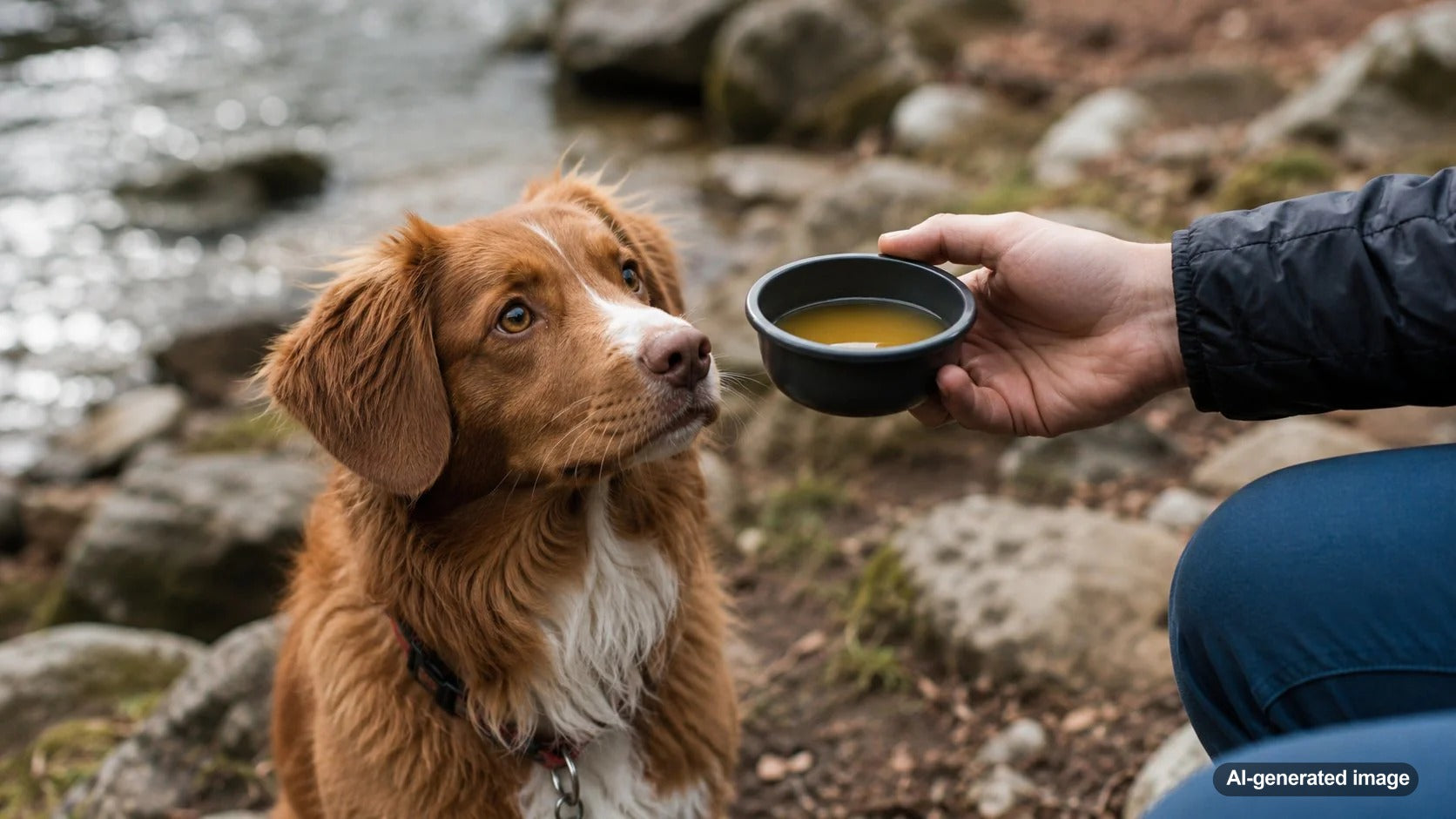
Can Dogs Eat Low-Sodium Broth? Yes, many dogs can enjoy a small amount of low-sodium broth as long as it is plain, dog-safe, and free from onion, garlic, heavy seasoning, and excess fat. It can make dry food more exciting, add moisture, or turn a normal snack into a longer-lasting licking activity. The key is choosing the right broth and using it as a flavorful add-on, not a replacement for balanced meals or veterinary care.
Broth feels harmless, but dog parents still need to be label detectives. Many human broths, even low-sodium ones, are flavored with onion powder, garlic powder, concentrated seasonings, or rich fats that can upset dogs or be unsafe. A smarter routine starts with plain ingredients, tiny portions, and a close eye on how your dog responds.
Quick answer: Can dogs eat low-sodium broth?
Dogs can eat low-sodium broth in moderation if it contains only dog-safe ingredients. Choose plain chicken, beef, turkey, bone, or vegetable broth with no onion, garlic, chives, leeks, added salt-heavy seasoning, spicy ingredients, or artificial sweeteners. If your dog has kidney disease, heart disease, pancreatitis, food allergies, a sensitive stomach, or a prescription diet, ask your veterinarian before adding broth.
Why dog parents use low-sodium broth
Low-sodium broth can be useful when your dog is bored with the same bowl, needs extra moisture, or benefits from calmer treat time. A spoonful over kibble can soften texture for seniors. A small amount frozen into an enrichment toy can keep a busy dog focused. A splash mixed with dog-safe foods can make a rainy-day activity feel special without relying on a big pile of treats.
It can also help with picky moments, but it should not cover up a real problem. If your dog suddenly stops eating, vomits, has diarrhea, drools excessively, loses weight, or acts painful, contact your veterinarian.
What to look for on the broth label
The safest broth for dogs is usually simple and boring in the best way. Look for short ingredient lists and words like unsalted, no salt added, or low sodium. Then read the ingredient panel carefully.
Dog-safe broth checklist
- No onion, onion powder, garlic, garlic powder, chives, leeks, or scallions.
- No spicy ingredients, heavy pepper, or seasoning blends.
- No artificial sweeteners.
- Low fat, especially for sensitive stomachs.
- Low sodium, with fresh water available nearby.
- A plain protein source your dog already tolerates.
One common mistake is assuming low sodium means dog-safe. Sodium is only one part of the safety check. Broth can still be a bad choice if it uses onion or garlic for flavor, which is common in human cooking broths.
Low-sodium broth vs. no-salt-added broth
Low-sodium and no-salt-added are not always the same. Low-sodium broth still contains some sodium, while no-salt-added broth usually means salt was not added during processing. For dogs, plain no-salt-added broth is often the cleaner starting point, but every ingredient still matters.
| Broth type | What it means for dogs | Best use |
|---|---|---|
| Low-sodium broth | May be okay if plain and free from unsafe seasonings. | Small splashes over food or enrichment treats. |
| No-salt-added broth | Often a better option, but still needs a full ingredient check. | Homemade frozen cubes, lick mats, and picky-bowl boosts. |
| Regular broth | Often too salty and more likely to contain rich seasonings. | Usually best avoided for dogs. |
How much low-sodium broth can dogs have?
Start smaller than you think. For tiny dogs, try a teaspoon. For medium dogs, try one to two teaspoons. For large dogs, try a tablespoon. If your dog handles it well, you can use a small splash occasionally as part of a meal or enrichment routine.
Portion size matters because broth adds flavor, moisture, and sometimes calories or sodium. It can also change mealtime expectations for picky dogs. If broth becomes an everyday topper, keep it modest and include it in your dog's overall treat and extra-food budget.
Helpful tip: freeze it for longer-lasting fun
Pour dog-safe low-sodium broth into small molds or mix it with your dog's normal food, then freeze it for easy enrichment. The Pupsicle Treat Tray can help you make freezer-ready homemade treats that fit neatly into enrichment routines. Use broth as a light flavor base instead of the main event.
Smart ways to serve broth to your dog
Add a small splash to dry food and let it soak for a minute. Freeze broth with kibble for a crunchy-then-licky texture. Mix a little broth with dog-safe pumpkin or your dog's usual wet food for a spreadable enrichment layer.
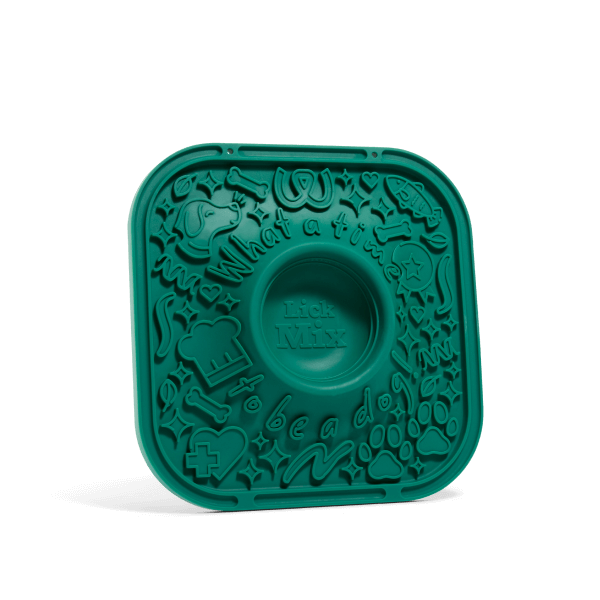
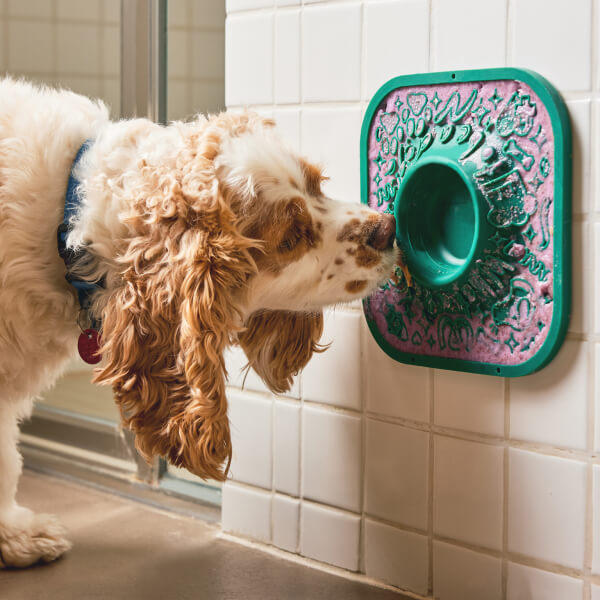
For dogs who settle through licking, spread a thin broth-based mixture onto a lick surface and freeze it. Woof's The LickMat is made for calming enrichment and slower licking, which can be helpful during grooming, crate breaks, rainy afternoons, or post-walk wind-down time.
Puppies may do best with very tiny amounts because their stomachs can be sensitive. Senior dogs may appreciate softened food, but sudden appetite changes should be taken seriously. Power chewers may enjoy frozen broth treats, but supervise all enrichment and choose tools that match your dog's size and chewing style.
When broth is not a good idea
Skip broth if the label includes unsafe ingredients or if you are unsure what is in it. Also pause if your dog gets loose stool, gas, vomiting, itchiness, or a sudden behavior change after trying it. Rich bone broth can be too fatty for some dogs, so skim visible fat and avoid oily leftovers from cooked meat.
Ask your vet first if...
Your dog has kidney disease, heart disease, high blood pressure, pancreatitis, diabetes, food allergies, a history of bladder stones, or any condition that requires a special diet. Also check with your vet before using broth to encourage eating in a dog who is sick, recovering from surgery, or refusing meals.
Easy homemade dog-safe broth basics
Homemade broth gives you control. Use plain chicken, turkey, beef, or bones, cover with water, simmer, strain carefully, and cool. Do not add onion, garlic, salt, butter, spicy seasoning, cooked bones for chewing, or fatty pan drippings. Once cooled, remove hardened fat from the top before serving.
Store homemade broth in the refrigerator for a few days or freeze it in small portions. Small cubes are easier to dose, thaw, and use in enrichment toys.
Dog Parent FAQs
Can dogs have chicken broth?
Yes, dogs can have plain chicken broth in small amounts if it is low in sodium and does not contain onion, garlic, or unsafe seasonings.
Is bone broth better than regular broth for dogs?
Bone broth can be a good option when it is plain, low in sodium, and low in fat. It is not automatically safer, so the ingredient list still matters.
Can I pour broth on my dog's food every day?
Some dogs can handle a small daily splash, but it depends on their health, diet, and sodium needs. Ask your vet if your dog has any medical condition or special diet.
What should I do if my dog drank seasoned broth?
Check the ingredients. If it contained onion, garlic, a lot of salt, or your dog shows vomiting, diarrhea, weakness, pale gums, or unusual behavior, contact your veterinarian or a pet poison hotline promptly.
The bottom line on low-sodium broth for dogs
Low-sodium broth can be a safe, useful, tail-wagging addition to your dog's routine when it is plain, lightly served, and chosen with care. Read the label, start with tiny amounts, watch your dog's response, and keep your veterinarian in the loop when health questions come up.