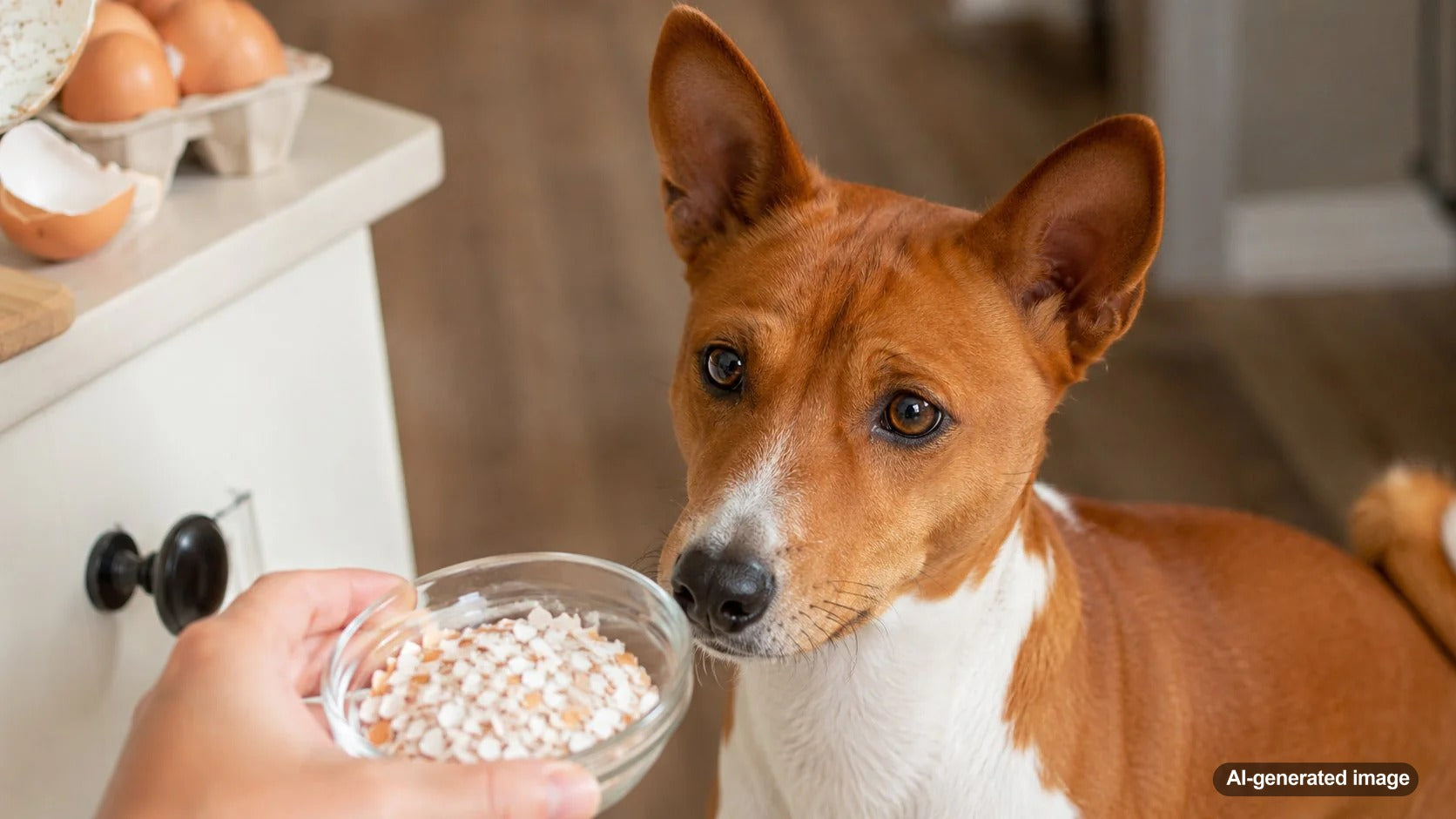
Can dogs eat eggshells? Yes, some dogs can eat eggshells, but the safest answer is more specific: eggshells should be cleaned, dried, ground into a fine powder, and used only when they make sense for your dog's overall diet. Whole or jagged shell pieces are not a great idea because they can be sharp, hard to chew evenly, and potentially upsetting to the stomach. Eggshells are mainly valued as a calcium source, which means they are not a casual crunchy snack so much as a nutrition add-in that deserves a little care.
If your dog steals a tiny bit of eggshell from the kitchen floor, there is usually no reason to panic. Still, there is a big difference between one accidental crunch and regularly adding eggshell powder to meals. Dogs who eat complete and balanced commercial food usually already get the calcium they need, while dogs on homemade diets may need carefully measured calcium under veterinary guidance.
Why Eggshells Are Even a Dog Nutrition Topic
Eggshells are mostly calcium carbonate, a form of calcium commonly used to support bones, teeth, muscle function, and normal nerve signaling. That sounds simple, but calcium balance in dogs is not something to guess at. Too little calcium can be a problem, and too much calcium can also create issues, especially for growing puppies and dogs with certain health conditions.
For many dog parents, eggshells come up during homemade meal planning. Meat is naturally higher in phosphorus, so homemade diets often need a correctly balanced calcium source. Eggshell powder may be one option, but the right amount depends on the full recipe, your dog's size, life stage, and health history.
How to Prepare Eggshells for Dogs Safely
The safest way to offer eggshells is as a fine powder, not in large flakes or crunchy chunks. Start by rinsing the shells well to remove leftover egg white or yolk. Then dry them fully. Some dog parents bake clean shells briefly at a low temperature to help dry them out and make them easier to grind.
Once dry, grind the shells into a very fine powder using a clean coffee grinder, spice grinder, or high-powered blender. The texture should be closer to flour than crushed chips. Mix a small amount into wet food or a homemade meal so your dog does not inhale the powder or pick around it.
Should Every Dog Eat Eggshells?
No. Eggshells are not necessary for every dog. If your pup eats a complete and balanced food, extra calcium may not be helpful and could throw off the diet's mineral balance. Think of eggshell powder as a targeted add-in, not a general wellness sprinkle for every bowl.
Puppies are a great example of why caution matters. Growing dogs need the right calcium-to-phosphorus balance, and large-breed puppies are especially sensitive to mineral imbalance during development. Senior dogs may also need extra care because kidney concerns, medications, dental issues, or appetite changes can affect what is appropriate. When in doubt, your vet can help you decide whether eggshells belong in your dog's routine at all.
Common Eggshell Mistakes Dog Parents Make
A few things to avoid:
- Feeding whole shells and assuming chewing makes them safe.
- Adding eggshell powder every day without checking whether your dog's food already contains enough calcium.
- Using eggshells to fix a homemade diet without a complete recipe from a veterinary nutrition professional.
- Giving eggshells to puppies, pregnant dogs, or dogs with medical conditions without asking a vet first.
- Ignoring stomach upset because an ingredient is natural. Natural does not always mean right for every dog.
Can Eggshells Help With Dog Teeth?
Eggshells contain calcium, and calcium supports normal tooth structure as part of the whole diet. But eating eggshells will not clean your dog's teeth like brushing, dental chews, or a vet-recommended dental routine can. Crunching shells is not a safe shortcut for tartar control, and sharp pieces are not worth the risk.
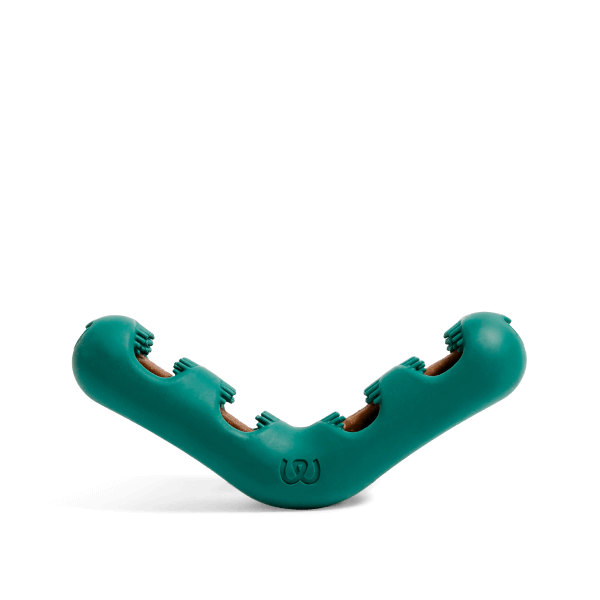
If your real goal is fresher breath or a more consistent dental habit, build a routine that is designed for teeth. For example, The Bite n' Brush is Woof's reusable dental chew toy made to make teeth-friendly play easier and more engaging. It can be part of a daily routine, but it should not replace veterinary dental care, especially if your dog has bad breath, bleeding gums, drooling, swelling, trouble chewing, or visible pain.
What About Eggs Themselves?
Cooked eggs can be a tasty occasional food for many dogs, as long as they are plain and served in dog-appropriate portions. Skip butter, oil, salt, onion, garlic, and heavy seasoning. If your dog has a sensitive stomach or a history of pancreatitis, ask your veterinarian before adding richer foods like eggs.
Raw eggs are more complicated because of bacteria risk and possible digestive issues. If you are making homemade treats or enrichment recipes, cooked and simple is usually the easier route. Dog parents who love DIY treat time can use a tool like the Pupsicle Treat Tray to portion vet-approved homemade recipes for longer-lasting enrichment. Just keep eggshell powder out of the recipe unless your vet has helped you decide it belongs there.
How to Decide If Eggshells Fit Your Dog's Routine
Start with your dog's current food. If the label says the food is complete and balanced for your dog's life stage, you likely do not need to add eggshells. If you cook for your dog at home, rotate toppers often, or feed a nontraditional diet, ask your vet or a board-certified veterinary nutritionist about calcium balance before making eggshell powder a habit.
Also consider your dog's real-life eating style. A delicate senior with missing teeth, a fast-eating Labrador, and a tiny puppy with a developing body do not have the same needs. For gulpers, even safe foods can become risky when served in the wrong texture. For picky dogs, adding too many extras can make mealtime less predictable. The best routine is the one that is safe, balanced, and easy to repeat.
Dog Parent FAQs
Can dogs eat eggshells from boiled eggs?
Yes, if the shells are clean, dried, and ground into a fine powder. Do not hand your dog large pieces from a boiled egg and assume they will chew them safely.
Can puppies eat eggshells?
Puppies should only get added calcium under veterinary guidance. Their growing bodies need a careful mineral balance, and too much calcium can be harmful.
Can dogs eat raw eggshells?
It is safer to clean and dry or lightly bake eggshells before grinding them. Raw shells may carry bacteria from egg residue or handling, so preparation matters.
How much eggshell powder should I give my dog?
There is no one-size-fits-all amount. It depends on your dog's full diet, weight, life stage, and health needs. Ask your veterinarian before adding it regularly.
Are eggshells good for dogs with homemade diets?
They can be used as a calcium source in some homemade diets, but the recipe needs to be properly balanced. Work with your vet or a veterinary nutrition expert instead of guessing.