Can Dogs Eat Cooked Salmon Skin? Yes, many dogs can have a small amount of cooked salmon skin as an occasional treat, as long as it is plain, fully cooked, and free from bones, heavy seasoning, butter, garlic, onion, sauces, or excess oil. The skin is rich and fatty, so it should be treated like a special snack, not a daily bowl topper. If your dog has pancreatitis, a sensitive stomach, food allergies, or a medical diet, check with your veterinarian before sharing it.
Salmon skin is one of those kitchen scraps that makes dog parents pause. Your pup smells it, gives you the big eyes, and suddenly you are wondering whether tossing over a crispy corner is a smart little treat or a stomachache waiting to happen. The answer depends less on salmon itself and more on how it was cooked, what was added, and how much your dog gets.
Why Cooked Salmon Skin Can Be Okay For Dogs
Plain cooked salmon is a common protein in dog food and treats because it contains protein and omega-3 fatty acids. The skin also contains fat, which can make it smell and taste especially exciting to dogs. For some pups, a tiny piece of plain cooked salmon skin can be a high-value reward or a way to add variety to treat time.
The key word is tiny. Salmon skin is richer than lean white meat or many regular training treats. A Labrador who steals a whole sheet of crispy skin from the counter may end up with loose stool, vomiting, or a very uncomfortable belly. A Chihuahua may react to a much smaller amount. Size, health history, and normal diet all matter.
When Salmon Skin Is Not Safe
Do not feed raw salmon skin. Raw or undercooked salmon can carry parasites and bacteria that may make dogs very sick. Cooking is not just a texture choice here; it is an important safety step.
You should also skip salmon skin when it is smoked, cured, heavily salted, fried, spicy, glazed, or cooked in ingredients that are unsafe for dogs. Garlic and onion are common in marinades and restaurant preparations, and both should stay out of your dog's bowl. Butter, cream sauces, and lots of added oil can also be too rich, especially for dogs prone to digestive upset.
How Much Cooked Salmon Skin Can A Dog Have?
Think garnish, not portion. For a small dog, start with a piece no bigger than a pea or two. Medium dogs may be able to try a small bite-sized strip. Large dogs may handle a slightly larger piece, but it still should not become a meal-sized snack.
When introducing any new food, offer a small amount and watch your dog for the next day. Some dogs can handle fish well, while others get gassy, itchy, or loose-stooled from rich treats. If your dog does well, cooked salmon skin can remain an occasional extra, not an everyday habit.
How To Prepare Salmon Skin For Your Dog
Dog-safe salmon skin checklist:
- Cook it fully by baking, grilling, or pan-cooking without unsafe ingredients.
- Keep it plain. No garlic, onion, heavy salt, spicy rubs, butter, or sauces.
- Remove all bones and hard pieces before serving.
- Pat away extra grease if the skin is very oily.
- Cut it into small pieces so your dog does not gulp a large strip.
- Serve it only when your dog is supervised.
If the salmon skin is crisp, break it into small flakes or pieces. If it is soft and slippery, cut it up before offering it. Gulpers and power chewers are especially likely to swallow treats whole, so smaller pieces are safer and easier to portion.
Cooked Salmon Skin Compared With Other Fishy Options
| Option | Best Use | What To Watch |
|---|---|---|
| Plain cooked salmon skin | Occasional tiny treat for dogs who tolerate rich foods | High fat, bones, seasoning, and portion size |
| Plain cooked salmon meat | Small meal topper or special reward | Bones, seasoning, and balanced portions |
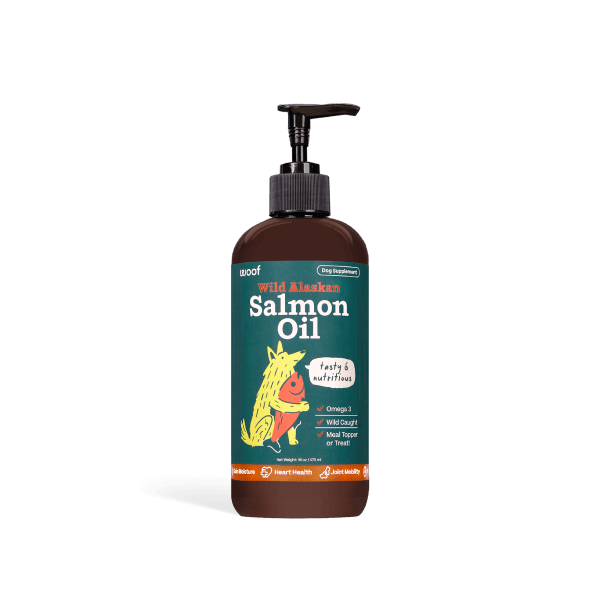
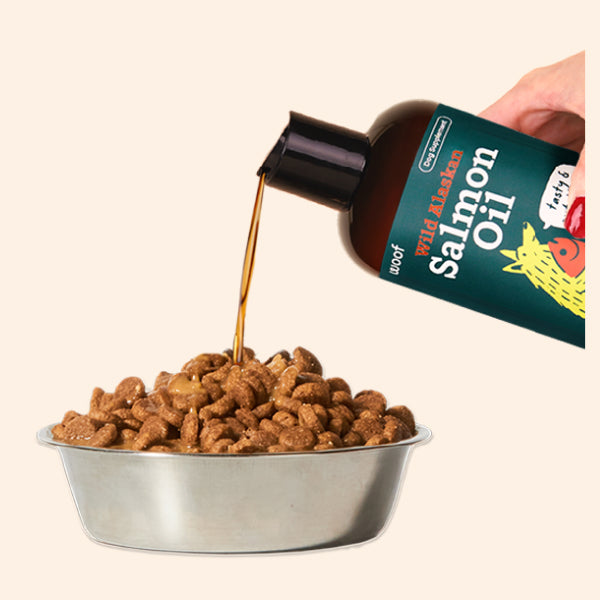
| Salmon oil | Easy daily wellness add-on when used as directed | Correct serving size and your dog's health needs |
If you like the idea of salmon for skin and coat support but do not want to guess with kitchen scraps, Salmon Oil can be an easier mealtime boost because it is made for dogs and can be served consistently according to directions. For dogs who need something fun to do after dinner, pairing dog-safe food routines with enrichment toys can help turn treat time into a calmer, more satisfying moment.
Can You Put Salmon Skin In A Lick Mat Or Puzzle Toy?
Usually, it is better to keep salmon skin separate from lick mats and puzzle toys unless you are using a very small, finely chopped amount. Oily fish skin can smear into grooves, create a strong smell, and make cleaning harder. If you do use a little, wash the toy thoroughly right after and do not leave fish-based foods sitting out.
For everyday licking enrichment, a purpose-made option such as FlipMat with a dog-friendly spread is easier to portion and clean. Save cooked salmon skin for a supervised kitchen treat, and use repeatable enrichment tools for routines such as rainy-day boredom relief, post-walk settling, or a calm distraction while you eat dinner.
Common Mistakes Dog Parents Make With Salmon Skin
The biggest mistake is assuming that if a food is healthy for humans, more is better for dogs. Salmon skin can be nutrient-rich, but it is also rich in fat. Too much can overwhelm a dog's stomach, especially if their normal diet is fairly lean.
Another common mistake is forgetting about seasonings. A restaurant salmon dish, a teriyaki-glazed fillet, or a buttery garlic salmon recipe may smell amazing, but the skin can carry ingredients your dog should not eat. When in doubt, skip it.
Dog Parent FAQs
Can puppies eat cooked salmon skin?
It is better to be extra cautious with puppies because their stomachs can be sensitive and they are still growing. Ask your veterinarian before adding rich foods, and keep any new treat extremely small.
Can dogs eat crispy salmon skin?
Yes, if it is plain, fully cooked, not fried in lots of oil, and broken into small pieces. Avoid crispy skin that has been heavily salted, seasoned, or cooked with unsafe ingredients.
Can dogs eat salmon skin every day?
Daily salmon skin is not a great idea for most dogs because it is rich and fatty. Keep it occasional, and use your dog's regular complete diet as the foundation.
What should I do if my dog ate a lot of salmon skin?
Watch for vomiting, diarrhea, belly pain, lethargy, weakness, or unusual behavior. Call your veterinarian for guidance, especially if the salmon skin was seasoned, raw, smoked, very fatty, or eaten in a large amount.
The Bottom Line On Cooked Salmon Skin
Cooked salmon skin can be safe for many dogs when it is plain, fully cooked, boneless, and served in small amounts. The risky parts are raw fish, bones, seasonings, salt, excess fat, and overdoing the portion. When you treat salmon skin like an occasional nibble instead of a regular snack, it can be one of those happy little kitchen moments your dog remembers fondly without upsetting their routine.