






































































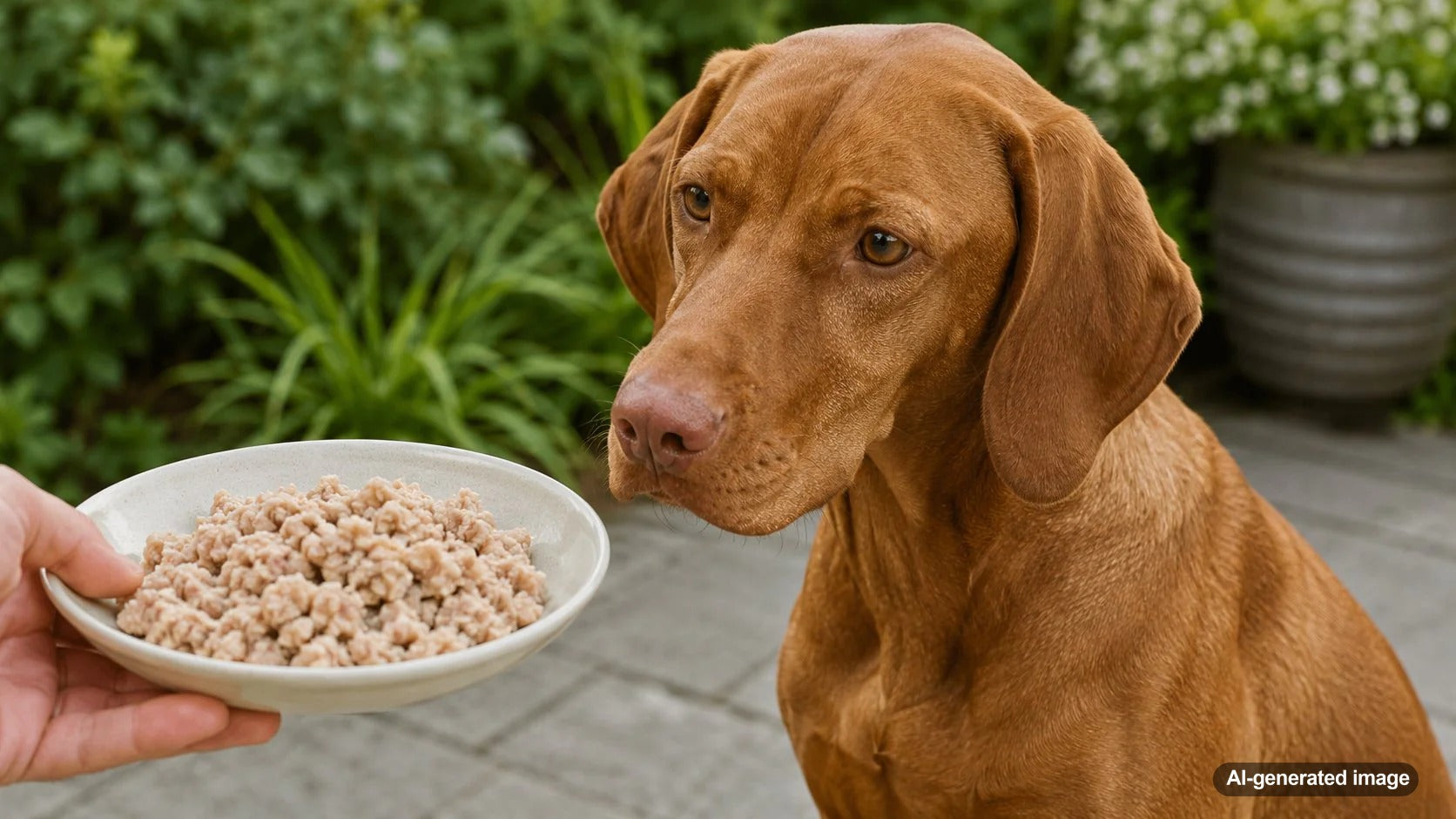
Can Dogs Eat Cooked Ground Turkey? Yes, many dogs can enjoy plain, fully cooked ground turkey as an occasional treat or meal topper, as long as it is served without onions, garlic, excess salt, rich sauces, or heavy seasoning. The key word is plain, because the turkey that is safe for your dog is usually much simpler than the turkey that tastes best to humans. Think of it as a dog-friendly protein boost, not a free pass to share taco meat, meatballs, stuffing, or buttery holiday leftovers.
Ground turkey can be a helpful option for pet parents who want a lean, easy-to-chew protein for training rewards, bland-style meals recommended by a veterinarian, or homemade enrichment treats. Still, it is not the right fit for every dog or every recipe. Some dogs have food sensitivities, some need strict veterinary diets, and some have sensitive stomachs that do best when new foods are introduced slowly.
Quick answer: Dogs can eat cooked ground turkey when it is fully cooked, drained of excess fat, unseasoned, and served in small portions. Avoid raw turkey, turkey cooked with onion or garlic, high-fat skin, bones, gravy, butter, and spicy seasonings. When in doubt, ask your veterinarian before adding it to your dog's routine.
Why Plain Cooked Ground Turkey Can Be Dog-Friendly
Turkey is a common protein in many dog foods because it can provide protein and key nutrients while being relatively lean, especially when you choose a lower-fat ground turkey. For dogs who are healthy and already tolerate poultry well, a small amount of plain cooked ground turkey can make meals more exciting or help you create simple enrichment treats at home.
Texture matters, too. Ground turkey is soft, crumbly, and easy to portion, which can make it useful for senior dogs, small dogs, or dogs who struggle with large chunks of meat. It can also be easier to tuck into enrichment toys than sliced turkey, which may dry out or clump together.
The catch is that ground meat absorbs whatever it is cooked with. If the pan includes garlic powder, onion powder, taco seasoning, butter, oil, gravy, or salty broth, it is no longer the simple dog-safe bite you intended. A plain batch cooked separately for your pup is the safest approach.
How to Prepare Cooked Ground Turkey for Dogs
Start with fresh ground turkey and cook it thoroughly until no pink remains. Break it into small crumbles as it cooks, then drain excess fat before serving. Let it cool completely so your dog does not burn their mouth or gulp down hot food too quickly.
Skip seasoning entirely. Dogs do not need salt, pepper, garlic, onion, chiles, barbecue sauce, or rich marinades to enjoy meat. In fact, some of the seasonings that seem normal in family cooking can be risky for dogs. Onion and garlic are especially important to avoid, including powdered forms often found in spice blends, stuffing mixes, gravies, and pre-seasoned meat.
| Safer choice | Skip this |
|---|---|
| Plain, fully cooked ground turkey | Raw or undercooked turkey |
| Lean turkey, drained after cooking | Greasy turkey, skin, butter, or pan drippings |
| Small crumbles used as a topper or treat | Large portions that replace a balanced diet |
| Turkey cooked separately for your dog | Turkey with onions, garlic, gravy, stuffing, or taco seasoning |
How Much Cooked Ground Turkey Can Dogs Have?
Portion size depends on your dog's size, health, activity level, and overall diet. For many dogs, cooked ground turkey should be treated as an occasional extra, not the main event. A small dog may only need a teaspoon or two as a topper, while a larger dog may handle a tablespoon or two, but every dog is different.
If your dog has never had turkey before, start with a tiny amount and watch for digestive changes. Loose stool, vomiting, itchiness, ear flare-ups, gas, or sudden discomfort are signs to stop and check with your veterinarian. Dogs with pancreatitis history, kidney disease, food allergies, weight-management needs, or prescription diets should only get turkey if your vet says it fits their plan.
Helpful tip: Keep cooked ground turkey to small, repeatable uses. A little sprinkled over dinner, tucked into an enrichment toy, or frozen into a treat is usually easier on a dog's stomach than a surprise bowlful of leftovers.
Smart Ways to Use Ground Turkey for Enrichment
Cooked ground turkey can be especially useful when you want enrichment that feels exciting but still controlled. Try mixing a small amount with your dog's regular food, spreading a thin layer on a lick mat, or freezing it with dog-safe ingredients like plain pumpkin or a little water for a longer-lasting activity.
For a cleaner homemade treat routine, the Pupsicle Treat Tray can help you freeze dog-friendly mixtures into easy refill shapes for Pupsicle play. Plain cooked ground turkey can be one ingredient in those homemade treats when your dog tolerates it well, but keep the recipe simple and avoid rich add-ins.
Turkey can also be cut into your training routine in tiny amounts. Use very small crumbles for recall practice, crate games, grooming cooperation, or rewarding calm behavior during everyday distractions. If you already use packaged rewards, Woof's Treats Collection can be a simple way to rotate in ready-to-use options when you do not want to cook.
Common Mistakes Dog Parents Make With Turkey
Watch out for leftovers: The most common turkey problem is not the turkey itself. It is the human recipe around it. Holiday turkey, taco turkey, meatloaf, meatballs, burgers, casseroles, and stuffing often contain ingredients dogs should avoid.
Another mistake is serving too much too fast. Even a safe food can upset your dog's stomach if it suddenly appears in a large portion. Dogs who eat the same kibble every day may be especially sensitive to sudden rich extras.
It is also easy to forget about calories. A few bites here and there can add up, especially for small dogs. If ground turkey becomes a frequent topper, consider reducing other treats and asking your vet how it fits into your dog's daily calories.
When Cooked Ground Turkey Is Not a Good Idea
Skip cooked ground turkey if it contains onion, garlic, heavy seasoning, spicy sauces, butter, gravy, or unknown ingredients. Do not feed cooked turkey bones, and avoid high-fat skin or greasy scraps. If your dog grabs seasoned turkey from the counter, monitor closely and call your veterinarian or a pet poison helpline if the food included toxic ingredients or your dog shows symptoms.
You should also pause if your dog has vomiting, diarrhea, appetite changes, belly pain, excessive drooling, swelling, hives, trouble breathing, or unusual behavior after eating turkey. Those signs deserve veterinary guidance, especially in puppies, senior dogs, tiny breeds, or dogs with existing medical conditions.
Dog Parent FAQs
Can puppies eat cooked ground turkey?
Some puppies can have a tiny amount of plain cooked ground turkey, but puppies have sensitive stomachs and specific nutrition needs. Ask your veterinarian before making it a regular treat.
Can dogs eat ground turkey every day?
It depends on your dog's overall diet and health. Plain cooked ground turkey can be part of some vet-guided meal plans, but daily extras can unbalance calories or nutrients if they are not planned carefully.
Is ground turkey better than ground beef for dogs?
Not always. Lean ground turkey is often lower in fat than many ground beef options, but the best choice depends on your dog's tolerance, health needs, and how the meat is prepared.
Can dogs eat turkey cooked with garlic or onion?
No. Avoid turkey cooked with garlic, onion, chives, or seasoning blends that may contain them. These ingredients can be harmful to dogs.
The Bottom Line on Cooked Ground Turkey
Can Dogs Eat Cooked Ground Turkey? Yes, when it is plain, fully cooked, drained, and served in small portions, it can be a tasty occasional add-on for many dogs. Keep it simple, introduce it slowly, avoid risky seasonings and rich leftovers, and use it as part of a thoughtful routine rather than a replacement for balanced dog food. Your dog does not need a fancy recipe to be thrilled. Sometimes the safest version is also the one that gets the happiest tail wags.


