






































































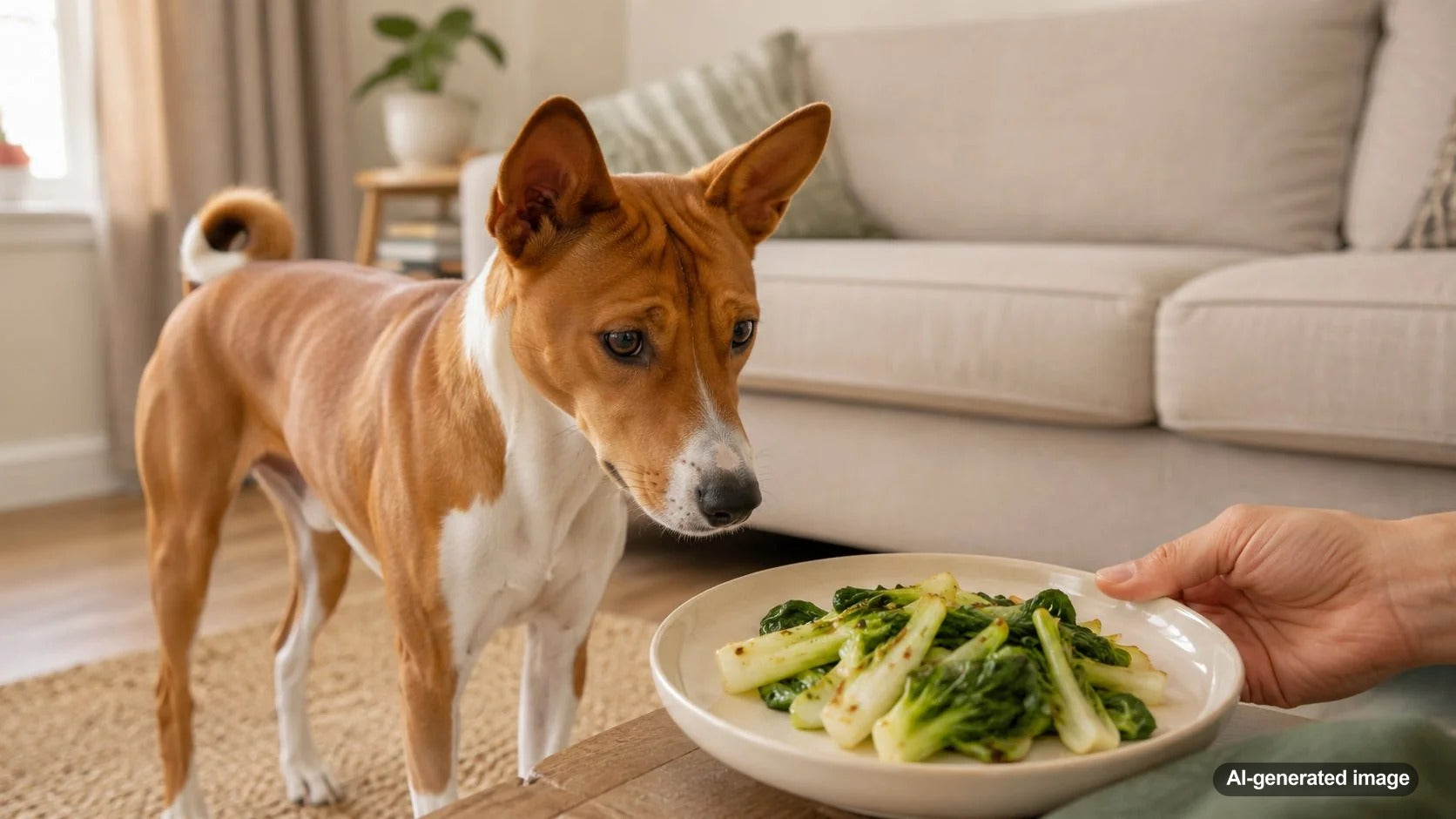
If a few leafy pieces slipped from your cutting board while you were preparing cauliflower, your dog may have reached them before you could. Fortunately, cooked cauliflower leaves are generally safe for most healthy dogs when they are plain, soft, and served in small amounts. They should be treated as an occasional extra rather than a major part of your dog's meals.
Cauliflower leaves are often discarded, but they are edible parts of the same cruciferous vegetable. The bigger questions for dog parents are how the leaves were cooked, what was added to them, and how much the dog ate.
Quick Answer
Yes, dogs can usually eat cooked cauliflower leaves. Wash them, cook them without seasonings, chop them into bite-sized pieces, and offer only a small portion. Avoid leaves prepared with onion, garlic, heavy oils, butter, rich sauces, or excessive salt.
Are Cooked Cauliflower Leaves Safe for Dogs?
Plain cauliflower leaves are not generally considered toxic to dogs. Cooking can make their firm texture easier to chew and digest, especially for puppies, senior dogs, small breeds, or dogs that tend to swallow food without much chewing.
However, cauliflower belongs to the cruciferous vegetable family. These vegetables contain fiber and naturally occurring compounds that can produce gas during digestion. A dog that eats too much may experience flatulence, a noisy stomach, bloating, loose stool, or temporary discomfort. That is why a tiny test serving is smarter than adding a handful to the bowl.
Every dog responds differently. A large dog may tolerate a few chopped pieces without an issue, while a small dog or a dog with a sensitive stomach may react to much less. Dogs following prescription diets or living with digestive or other medical conditions should only receive new foods after their veterinarian approves them.
How to Prepare Cauliflower Leaves for Your Dog
Start by washing the leaves thoroughly and removing any damaged or spoiled areas. Steam, boil, or bake them until tender, using no added ingredients. Let the leaves cool completely before cutting them into pieces appropriate for your dog's size.
A simple dog-safe preparation routine
- Wash the leaves under clean running water.
- Remove especially thick, woody, or difficult-to-chew sections.
- Steam or boil the leaves until soft.
- Do not add salt, butter, oil, sauces, or seasoning blends.
- Cool and finely chop the leaves before serving.
- Begin with one small bite-sized piece and monitor your dog.
Finely chopping is particularly important for dogs that gulp their food. Long, stringy pieces and thick stems can be awkward to swallow and may present a choking concern. Always supervise when offering a food with an unfamiliar texture.
Seasonings Matter More Than Many Dog Parents Realize
A plain cooked leaf is very different from cauliflower greens roasted for the family dinner. Recipes may include garlic, onion, cheese, cream, butter, salt, or generous amounts of oil. Onion and garlic can be toxic to dogs, including when they are cooked or used in powdered form. Rich and fatty preparations can also trigger digestive upset and may be especially risky for dogs with a history of pancreatitis.
If you do not know exactly how the leaves were prepared, do not intentionally share them. A dog that steals one small seasoned piece may not necessarily become ill, but the ingredients and amount matter. Contact your veterinarian or a pet poison professional promptly if the food contained onion, garlic, another potentially toxic ingredient, or an unknown seasoning blend.
How Much Cooked Cauliflower Leaf Can a Dog Have?
There is no single portion that suits every dog. Begin with one small piece, cut appropriately for your dog's mouth and body size. Wait and see how your dog responds before offering it again on another day. Small dogs need a much smaller portion than large dogs, and dogs with sensitive digestion may do best without cauliflower leaves at all.
All treats and meal extras combined should generally remain below 10 percent of a dog's daily calories. At least 90 percent should come from complete and balanced dog food unless a veterinarian or veterinary nutrition specialist has created a different plan. Cauliflower leaves can add variety, but they cannot replace the nutrients supplied by a balanced diet.
Easy Ways to Serve Them
A few finely chopped pieces can be sprinkled over your dog's regular meal. You can also mash a tiny amount of cooked leaf into a portion of the food your dog already eats. Keeping the first serving simple makes it easier to identify the cause if digestive symptoms appear.
For a supervised enrichment activity, blend a little plain cooked cauliflower leaf into your dog's usual wet food and spread a thin layer on the FlipMat. Its textured surfaces can encourage slower licking and turn a modest food portion into a more engaging routine. Count everything placed on the mat toward your dog's daily food and treat allowance.
Avoid introducing several unfamiliar ingredients at once. If cauliflower leaf, a new protein, and a new spread all appear in the same snack, it will be difficult to determine which one caused a problem if your dog's stomach becomes upset.
When to Call Your Veterinarian
Stop serving cauliflower leaves if your dog develops repeated vomiting, ongoing diarrhea, excessive drooling, a swollen or painful-looking abdomen, unusual weakness, loss of appetite, or difficulty breathing. Contact your veterinarian for guidance. Urgent evaluation is especially important if your dog appears distressed, repeatedly tries to vomit without producing anything, or may have swallowed a large tough piece.
Dog Parent FAQs
Can puppies eat cooked cauliflower leaves?
A healthy puppy may be able to try a tiny piece of plain, tender, finely chopped leaf. Because puppies have small mouths and developing digestive systems, ask your veterinarian before adding new human foods to their routine.
Can senior dogs eat cauliflower leaves?
Many healthy senior dogs can have a small amount. Cook the leaves until very soft and chop them finely, particularly if the dog has missing teeth or trouble chewing.
Can dogs eat raw cauliflower leaves?
Plain raw leaves are not generally toxic, but they are tougher and may be harder to chew or digest. Soft cooked leaves are usually the more practical option.
What if my dog ate a large amount?
Monitor for gas, abdominal discomfort, vomiting, or diarrhea and call your veterinarian for advice. Seek help promptly if the leaves contained onion, garlic, rich sauces, or unknown seasonings.
The Bottom Line
Dogs can generally eat cooked cauliflower leaves when they are washed, cooked until tender, served plain, and cut into manageable pieces. Start with a very small taste, keep portions occasional, and watch for digestive changes. When in doubt, especially for a puppy, senior, sensitive dog, or dog on a special diet, your veterinarian can help you decide whether this leafy kitchen extra belongs in the bowl.


