






































































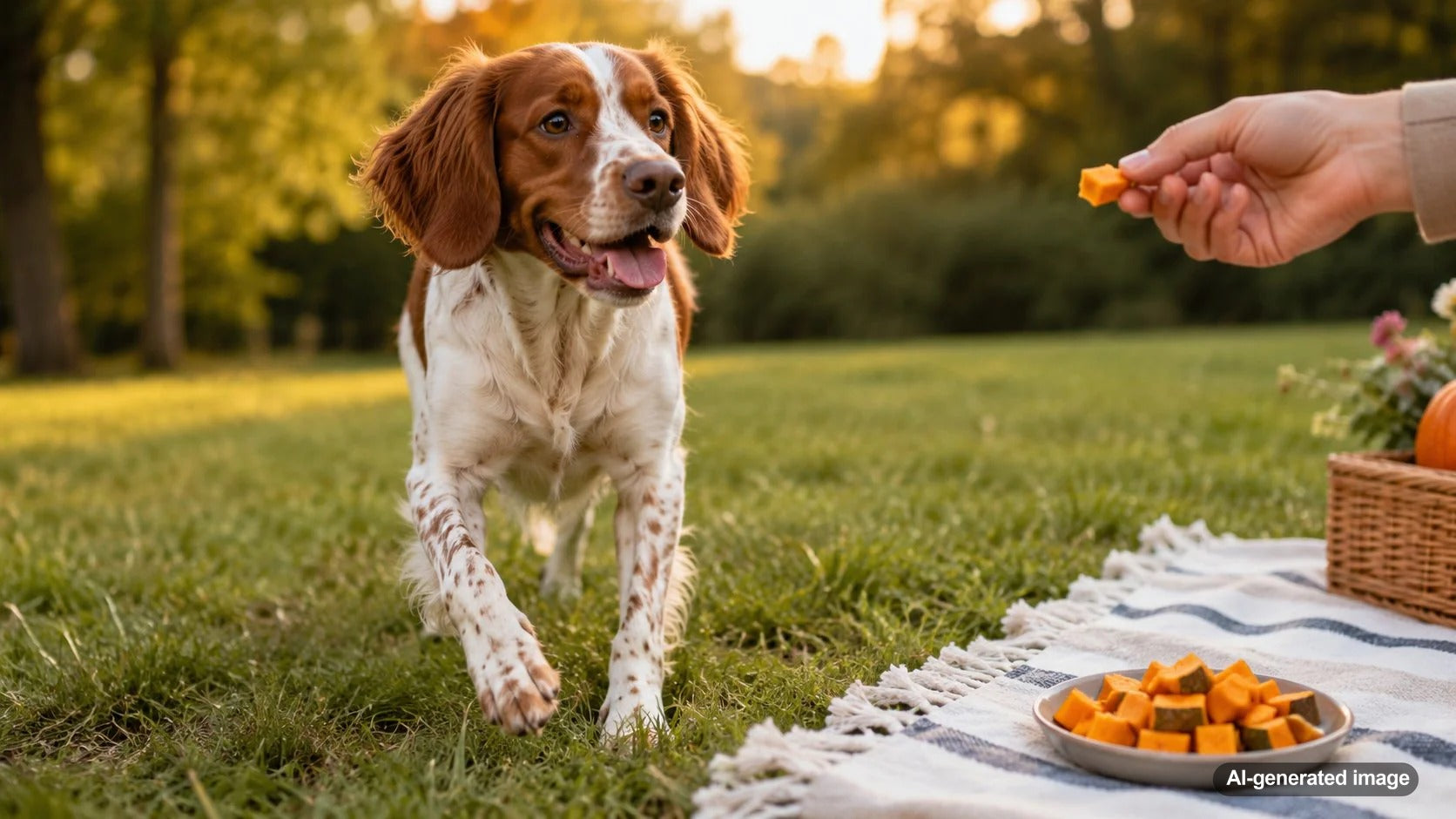
Can dogs eat cooked butternut squash? Yes, most dogs can eat plain cooked butternut squash in small amounts, as long as it is served without butter, salt, sugar, onion, garlic, or heavy seasoning. This cozy orange veggie can be a gentle, fiber-rich snack for many pups, but it should be treated like an add-on, not a main meal. The key is preparing it simply, serving the right portion, and watching how your individual dog responds.
Butternut squash is one of those foods that feels wholesome in a human kitchen, especially when it shows up in soups, roasted dinners, and holiday sides. For dogs, the safest version is much less fancy: peeled, cooked until soft, seeds removed, and cut or mashed into easy-to-eat pieces.
Quick answer: Dogs can eat cooked butternut squash when it is plain, soft, peeled, and seed-free. Start with a small spoonful, avoid rich seasonings, and ask your veterinarian before adding it regularly if your dog has diabetes, digestive issues, food sensitivities, pancreatitis concerns, or a prescription diet.
Why Cooked Butternut Squash Can Be Dog-Friendly
Plain cooked butternut squash has a soft texture, mild flavor, and natural sweetness that many dogs enjoy. It contains fiber, moisture, and nutrients that can make it a better occasional treat than greasy table scraps or heavily processed human snacks.
The fiber is one reason dog parents often ask about squash. A small amount may support normal digestion for some dogs, but more is not automatically better. Too much fiber too quickly can lead to gas, loose stool, or an upset stomach, especially for puppies, seniors, small dogs, and dogs with sensitive bellies.
Think of cooked butternut squash as a small topper, training treat, lick mat ingredient, or enrichment add-in. It should not crowd out your dog's complete and balanced food, which should remain the foundation of their diet.
How To Prepare Butternut Squash Safely For Dogs
The safest way to serve butternut squash is to keep it plain and simple. Wash it, peel off the tough skin, remove the seeds and stringy center, then cook the flesh until soft. Steaming, boiling, baking, or roasting without oil and seasonings can all work.
Once cooked, let it cool completely. Then mash it, cube it into small bite-sized pieces, or spread a thin layer onto an enrichment toy. The texture should be soft enough that your dog does not have to work hard to chew it.
| Serve This | Skip This |
|---|---|
| Plain cooked squash flesh | Raw chunks, tough skin, stems, or seeds |
| Small mashed spoonfuls | Large pieces that could be hard to chew |
| Squash with no seasoning | Butter, salt, sugar, garlic, onion, nutmeg, or spicy blends |
| A little mixed into normal food | A big serving that replaces a balanced meal |
How Much Cooked Butternut Squash Can Dogs Eat?
Portion size matters. For a small dog, start with about half a teaspoon to one teaspoon. For a medium dog, try one to two teaspoons. For a large dog, a tablespoon may be enough for a first serving. Wait and watch for any changes in stool, appetite, itching, vomiting, or discomfort.
If your dog handles it well, you can offer it occasionally as part of treat time. Treats and extras should generally stay limited so your dog still gets the right balance from their regular food.
Helpful tip: If your dog is new to butternut squash, do not introduce it on the same day as several other new foods. Keeping the trial simple makes it easier to tell what caused a reaction if your pup's stomach gets grumbly.
Smart Ways To Use Butternut Squash For Enrichment
Cooked butternut squash is not just a snack. Because it mashes easily, it can be useful for slow, calming enrichment. A thin smear can encourage licking, which many dogs find soothing and engaging. This can be especially helpful during quiet time, after a walk, or when you want your dog to settle while you answer emails, make dinner, or take a breather.
Try mixing a tiny amount of mashed cooked squash with your dog's regular food, a little plain yogurt if your dog tolerates dairy, or another dog-safe topper your pup already knows. Spread it thinly on a lick surface so your dog has to work at it instead of gulping it down in one bite.
For an easy everyday enrichment setup, Woof's FlipMat can turn a small amount of dog-safe food into a longer, more satisfying licking routine. If your dog already loves pumpkin-style flavors, Pumpkin Butter LickWells can also be a convenient option for lick time when you want a ready-to-use spread made for dogs.
When Butternut Squash May Not Be The Best Choice
Even safe foods are not right for every dog. Skip butternut squash and call your veterinarian if your dog has a history of pancreatitis, is on a strict prescription diet, has diabetes, has ongoing digestive problems, or has been told to avoid certain carbohydrates or fiber levels.
You should also be careful with dogs who inhale food without chewing. Soft mashed squash is usually safer than chunks for these pups. For puppies and senior dogs, keep portions extra small and make sure the texture is easy to manage.
Signs to watch: Stop feeding butternut squash and check with your veterinarian if your dog has vomiting, diarrhea, repeated gas, belly discomfort, itching, swelling, excessive drooling, appetite changes, or any behavior that feels unusual after eating it.
Common Mistakes Dog Parents Make
The biggest mistake is sharing butternut squash from a prepared human dish. A roasted holiday side may contain butter, brown sugar, salt, pepper, onion powder, garlic, or nutmeg. Those add-ins are the problem, not the plain squash itself.
Another mistake is assuming that a healthy vegetable can be served freely. Dogs are smaller than people, and their daily calorie needs are different. A few bites can be plenty, especially for toy breeds or dogs who are already watching their weight.
Finally, do not rely on squash to fix a medical issue. If your dog is constipated, has diarrhea, refuses food, or seems uncomfortable, a vegetable topper is not a substitute for veterinary guidance.
Dog Parent FAQs
Can dogs eat roasted butternut squash?
Yes, dogs can eat roasted butternut squash if it is plain, soft, cooled, peeled, and served without oil, butter, salt, sugar, onion, garlic, or spices.
Can puppies eat cooked butternut squash?
Some puppies can have a tiny amount of plain cooked butternut squash, but start very small. Puppies have sensitive stomachs, so ask your veterinarian if you are unsure.
Can dogs eat butternut squash skin?
It is better to remove the skin. The skin is tough and can be harder for dogs to chew and digest, especially for small dogs, seniors, and fast eaters.
Can dogs eat butternut squash seeds?
Remove the seeds before serving. Seeds can be tough, hard to digest, and may create a choking concern for some dogs.
Is butternut squash good for dogs with upset stomachs?
Do not use butternut squash as a treatment for stomach problems without veterinary advice. If your dog has vomiting, diarrhea, pain, or appetite changes, contact your veterinarian.
The Bottom Line On Cooked Butternut Squash For Dogs
Cooked butternut squash can be a safe, tasty occasional snack for many dogs when it is prepared plainly and served in small portions. Peel it, remove the seeds, cook it until soft, skip the seasonings, and introduce it slowly.
Used thoughtfully, it can also add variety to enrichment routines, slow feeding, and calm lick time. Keep it simple, keep it small, and let your dog's comfort guide the routine.


