






























































Ever wondered if that creamy green fruit you love is safe for your pup too? The question “Can Dogs Eat Avocado?” comes up a lot — and the answer isn’t a simple yes or no. There’s a mix of potential perks and serious risks, so before you share your next avocado slice, let’s break down exactly what you need to know to keep your dog safe and healthy.
Avocado has a lot going for it from a nutrition standpoint. The soft, ripe flesh of the fruit offers healthy monounsaturated fats, vitamins like A, E, C and B-vitamins, minerals, fiber, and antioxidants — all things that, in moderation, can support your dog’s skin, coat, digestion, and overall wellness.
? What part of avocado — if any — can dogs eat?
Here’s the deal: the only part of the avocado that might be relatively safe for dogs is the peeled, pitted, ripe flesh — and even then, only in very small amounts.
That’s because the rest of the avocado — the skin, peel, pit, and any leaves — contains a fungicidal compound called persin, which is toxic to many animals. While dogs appear to be more resistant than some species, that doesn’t mean risk is zero.
What are the risks of avocado for dogs?
Feeding the wrong part — or too much — can lead to trouble. The pit represents a serious choking hazard, and if swallowed, could even cause an intestinal blockage.
Because of avocado’s higher fat and calorie content, overindulging (even just the flesh) may trigger digestive upset — and in some dogs, especially those prone to pancreatitis, too much fat can be dangerous.
Even if you offer just the flesh, some dogs may react with vomiting, diarrhea, or general gastrointestinal discomfort — and in rarer cases, sensitivities or allergic reactions to avocado could appear.
If you really want to share avocado — how to do it safely
If you decide to treat your dog to a small taste of avocado, follow these guidelines: remove all skin, peel, pit, and leaves; offer only a tiny bit of ripe flesh (not regularly — think occasional treat); skip guacamole or anything mixed with seasonings, salt, garlic, or onion; and always watch for any ill effects afterward.
Think of avocado as an occasional indulgence — not a staple. And if your dog has a sensitive stomach, is overweight, has a history of pancreatitis, or any other health condition, it’s best to skip avocado altogether and consult with your vet.
What are safer treat alternatives if you want to offer healthy snacks?
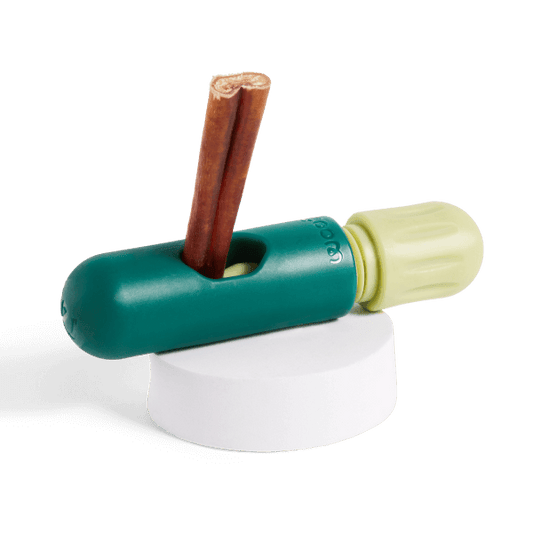
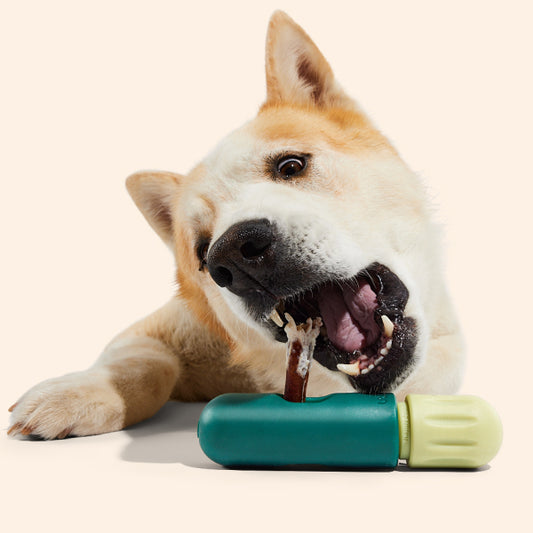
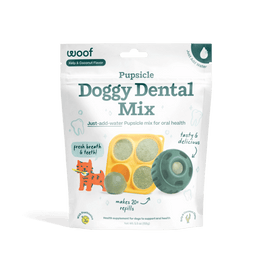
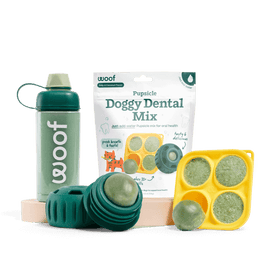
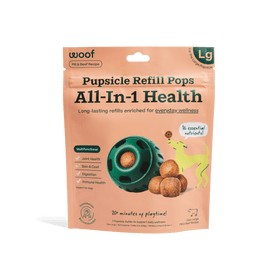
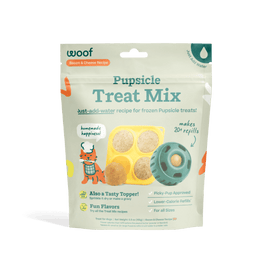
Instead of risking avocado-related issues, you can turn to dog-friendly treats and enrichment toys that offer safe nutrition and fun without the risks. Your pup might love noshing on plain cooked chicken, carrot slices, apple slices (without seeds), or specially formulated dog treats — and after a snack session, let them burn off energy with toys like the Woof Flyball or the Woof Walkabout, which turn treat time into playtime and add mental & physical stimulation. Using safe chew or puzzle toys keeps their gut, teeth, and mind healthy — without the unpredictability of risky human foods.
So, can dogs eat avocado?
Yes — but only the flesh, and only in very small, infrequent amounts, and only if you’re comfortable with the small risks. For many dog owners, the safest bet is to avoid avocado altogether and stick to dog-safe foods and treats. If your pup does get a taste, make sure it’s peeled, pitted, plain, and given with caution. When in doubt, check with your vet — and consider enrichment toys and healthy treats from Woof instead. Your best friend deserves both safety and joy, after all.


