






































































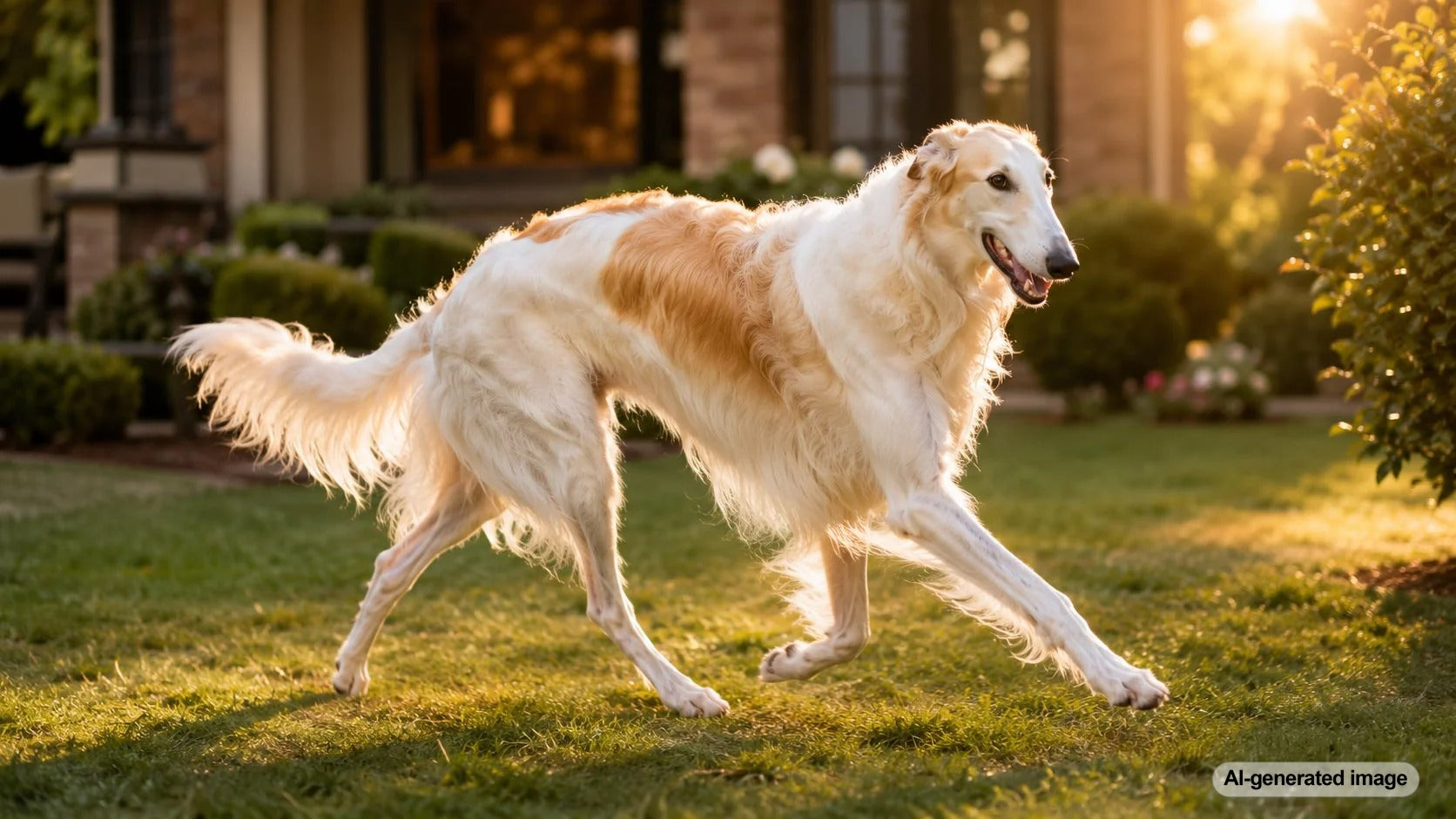
Some dogs float, some roll, some strut, and some seem to bounce through life like they have their own theme music. Breeds With Unique Gait Patterns are fascinating because the way a dog moves is often tied to body shape, breed history, muscle structure, and even personality. While a quirky walk can be perfectly normal for certain breeds, a sudden change in movement is always worth paying attention to.
Gait simply means the pattern of movement a dog uses when walking, trotting, running, or shifting speed. Dog parents often notice gait without knowing the word for it: the Bulldog's rolling shuffle, the Miniature Pinscher's proud high step, the Afghan Hound's springy elegance, or the long, ground-covering stride of a sighthound.
Why Some Dog Breeds Move So Differently
A dog's gait is influenced by leg length, chest depth, shoulder angle, back length, hip structure, paw shape, muscle tone, and overall balance. A dog bred to sprint across open ground will not move like a compact companion breed. A heavy, wrinkly guardian breed will not glide like a lean desert hound.
Breed standards often describe ideal movement, but everyday dog parents can think of gait in simpler terms: how efficiently and comfortably a dog gets from point A to point B. Some dogs naturally take short, quick steps. Others stretch forward with long, smooth reach. Some breeds have a rolling or ambling motion that looks unusual but fits their build.
Miniature Pinscher: The High-Stepping Strut
The Miniature Pinscher is famous for a hackney-like gait. That means the front legs lift with a proud, high-stepping action, almost like a tiny parade horse. When natural and not exaggerated, it gives the breed a confident, animated look.
For pet parents, the key is knowing the difference between a lively breed-specific strut and a dog who is lifting a paw because something hurts. If your Miniature Pinscher suddenly starts skipping, holding up a leg, or avoiding normal play, do not assume it is just part of the breed's style. Watch for changes from your dog's personal normal.
Bulldog: The Rolling Shuffle
Bulldogs often have a distinctive rolling, loose-looking gait because of their broad front, low body, heavy build, and unique structure. Many Bulldog owners describe it as a waddle, shuffle, or side-to-side roll.
That movement can be normal for the breed, but Bulldogs can also be prone to overheating, breathing challenges, and joint stress. Keep walks comfortable, avoid pushing hard in heat, and choose low-impact enrichment on days when your dog needs activity without a long walk.
Afghan Hound: The Smooth, Springy Float
Afghan Hounds are known for graceful movement with a light, springy quality. Their long legs, athletic build, and proud carriage create a floating look when they move well. This is a very different picture from short-legged breeds or heavy-bodied breeds.
Because elegant movers can hide discomfort at first, owners should still watch for subtle changes. A dog who used to glide but now shortens the stride, hesitates on stairs, or seems less eager to run may be telling you something.
Dachshund and Corgi: Low, Long, and Purposeful
Long-backed, short-legged breeds such as Dachshunds and Corgis have a movement style shaped by their proportions. Their legs take shorter steps, and their bodies ride closer to the ground. When fit and comfortable, they can be surprisingly quick and agile.
Because of their long backs, these dogs benefit from thoughtful routines. Avoid repeated jumping from high furniture, keep nails trimmed so their paws land cleanly, and maintain a healthy body condition. Extra weight can make movement harder for low, long dogs.
Sighthounds: Long, Efficient Strides
Greyhounds, Whippets, Salukis, and similar breeds often move with long, efficient strides. Their bodies are built for speed, with deep chests, lean muscle, and flexible spines that help them cover ground quickly.
These dogs may look lazy indoors and explosive outdoors. That contrast is normal for many sighthounds. Give them safe opportunities to stretch and move, but also build in calm recovery afterward. A long-lasting enrichment toy like The Pupsicle can be useful after exercise because it gives your dog a quieter way to stay engaged while settling down.
Giant Breeds: Slow, Heavy, and Ground-Covering
Great Danes, Mastiffs, Newfoundlands, and other giant breeds often have a slower, heavier gait than small or medium dogs. Their steps may be long and powerful rather than quick and bouncy. Puppies from giant breeds can also look awkward while they grow into their bodies.
For these dogs, steady conditioning matters more than sudden weekend overexertion. Shorter regular walks, controlled play, soft surfaces when possible, and appropriate rest can all support comfortable movement. If you are unsure about supplements, growth, or exercise limits, ask your veterinarian, especially for puppies and seniors.
When a Unique Gait Is Normal and When It Is a Warning Sign
Every dog has a personal baseline. A breed may be known for a certain gait, but your dog's normal movement is what matters most. A French Bulldog who always waddles lightly is different from a French Bulldog who suddenly drags one rear paw. A senior Lab who rises slowly may need different support than a young dog who suddenly refuses to put weight on a leg.
| Often normal | Worth checking |
|---|---|
| A consistent breed-typical gait your dog has always had | A sudden limp, hop, drag, or change in stride |
| Short steps in a short-legged breed | Reluctance to climb stairs, jump, walk, or play |
| A rolling gait in a broad, low breed | Yelping, swelling, stiffness, trembling, or obvious pain |
| A bouncy puppy phase during normal growth | Knuckling, toe dragging, weakness, or repeated tripping |
If your dog seems painful, unusually tired, uncoordinated, or suddenly different, contact your veterinarian. Movement changes can come from paws, nails, joints, muscles, the back, the nervous system, or general illness, so guessing is not the safest plan.
How to Support Healthy Movement at Home
You do not need to turn your living room into a rehab clinic to support your dog's everyday movement. Start with practical basics: keep nails short, use rugs on slippery floors, avoid overdoing fetch on hard surfaces, warm up before intense play, and match activity to your dog's age, body type, and fitness level.
For dogs who need lower-impact engagement, mix physical activity with mental enrichment. A rolling puzzle like Walkabout can turn mealtime into a slower, more engaging activity for dogs who enjoy movement-based problem solving indoors. Always supervise puzzle play and adjust the difficulty so your dog stays interested without getting frustrated.
Dog Parent FAQs
Is pacing normal in dogs?
Some dogs pace briefly when changing speeds or when tired, but frequent pacing can also reflect habit, structure, fatigue, discomfort, or compensation. If it is new or paired with stiffness, limping, or weakness, ask your veterinarian.
Why does my dog bunny hop when running?
Some dogs hop during excited play, especially puppies. Repeated bunny hopping, trouble rising, or stiffness after exercise can also point to discomfort, so it is worth discussing with your vet.
Do senior dogs normally walk differently?
Many senior dogs slow down or take shorter steps, but aging should not be used to dismiss pain. If your senior dog is limping, slipping, dragging toes, or avoiding normal activities, schedule a veterinary check.
Can enrichment help dogs who need less intense exercise?
Yes. Licking, chewing, puzzle feeding, and treat-based games can help keep dogs mentally engaged when long walks or hard play are not the right fit. Choose activities that match your dog's chewing style, size, and supervision needs.
The Takeaway on Breeds With Unique Gait Patterns
Unique movement is part of what makes dog breeds so fun to watch. A gait can tell a story about what a breed was built to do, from sprinting and guarding to companion life and confident little strutting. Learn your dog's normal, support comfortable daily movement, and take sudden changes seriously. When in doubt, your veterinarian can help you sort out what is charming, what is structural, and what needs attention.


