






































































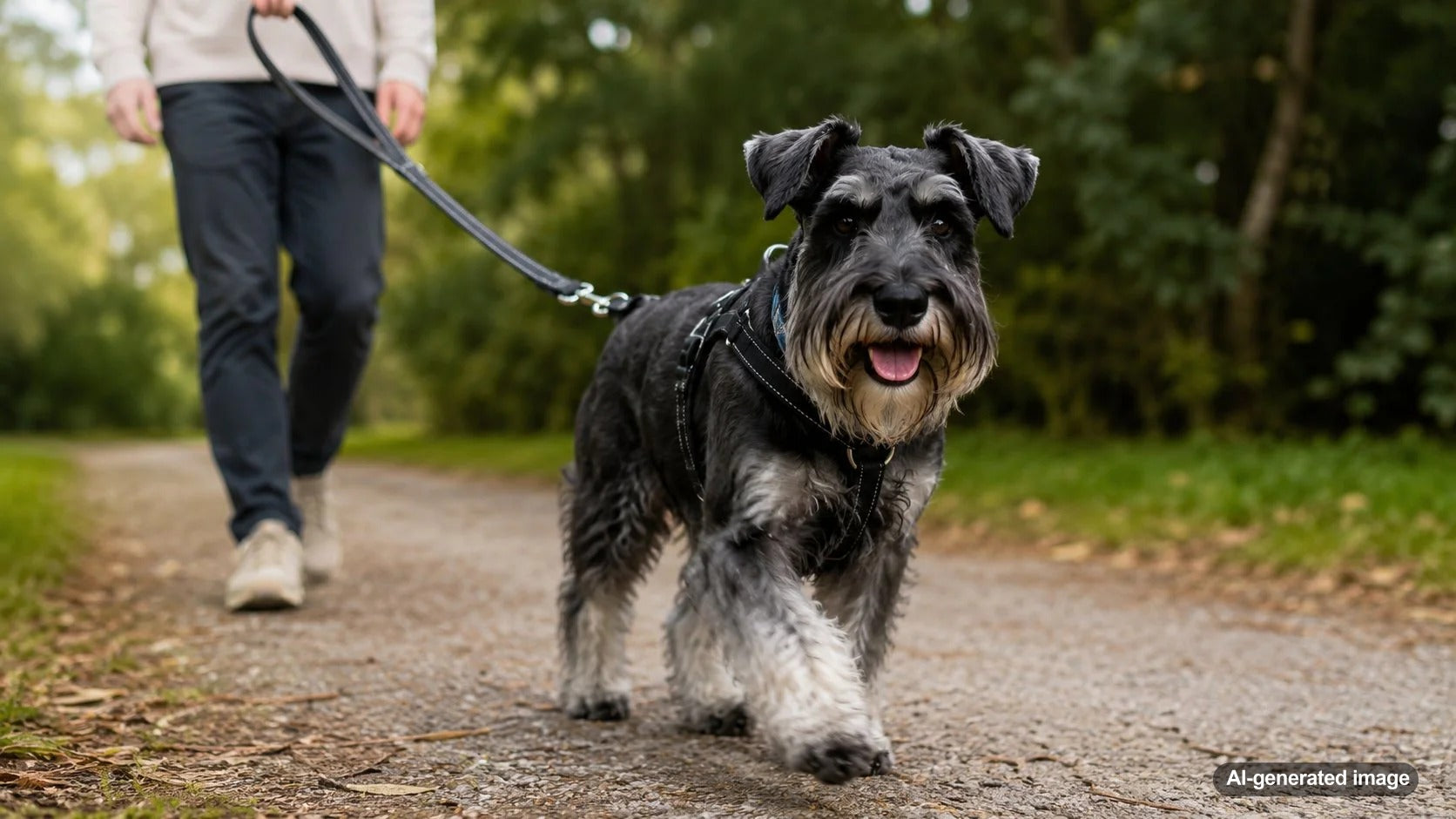
Breeds That Thrive With a Predictable Routine are often the dogs who seem to know your schedule better than you do. They wait near the door before walk time, perk up when the food bin opens, and settle more easily when the day follows a familiar rhythm. A steady routine can help many dogs feel safer, reduce frustration, and give busy brains something useful to expect.
That does not mean these breeds need a boring life. In fact, many routine-loving dogs are energetic, clever, and playful. They simply do best when exercise, meals, training, chew time, rest, and enrichment happen in a pattern they can understand.
Why Some Dogs Love a Predictable Routine
Dogs learn by patterns. If breakfast comes after the morning potty break, a walk follows your coffee, and quiet time comes after an enrichment activity, your dog can relax into the flow of the day instead of guessing what comes next.
Predictability is especially helpful for dogs who are easily overstimulated. A dog who barks at 5 p.m., grabs shoes, or paces from room to room may not be trying to be difficult. They may be asking, in dog language, what are we doing now? A routine gives that question an answer.
The trick is to keep the structure steady without making your dog rigid. A healthy routine has anchors, not prison bars. Meals, potty breaks, walks, and rest can stay consistent while you still vary routes, games, sniff spots, and enrichment.
10 Breeds That Often Thrive With a Predictable Routine
Every dog is an individual, and breed is only one piece of the puzzle. Age, training, health, exercise, environment, and personality matter too. Still, these breeds often respond beautifully to clear structure.
| Breed | Why routine helps | Helpful daily anchor |
|---|---|---|
| Border Collie | Highly focused herding brain that likes having a job | Short training games after walks |
| Australian Shepherd | Energetic, clever, and quick to invent activities | Planned exercise plus puzzle time |
| German Shepherd | Purpose-driven and people-focused | Consistent training and decompression time |
| Labrador Retriever | Food-motivated and social with strong daily expectations | Mealtime enrichment and fetch breaks |
| Poodle | Smart, observant, and often sensitive to household patterns | Brain games and calm grooming practice |
| Boxer | Playful energy that benefits from clear outlets | Active play followed by settle time |
| Dachshund | Determined, scent-driven, and comfort-loving | Sniff walks and predictable rest spots |
| Cocker Spaniel | Affectionate and routine-aware | Gentle play and calm evening rituals |
| Cavalier King Charles Spaniel | People-oriented and often comforted by consistency | Cozy companionship and quiet lick time |
| Shetland Sheepdog | Alert, vocal, and pattern-sensitive | Predictable cues for work, play, and rest |
What Routine Looks Like in Real Life
A good routine does not need to be complicated. It might look like a morning potty break, breakfast in a slow feeder, a walk, a nap, a short training session, afternoon sniff time, dinner, and a calming evening activity.
For busy households, the most important piece is the transition. Dogs often struggle when the day suddenly changes from exciting to quiet, or from alone time to chaos. A short, repeatable ritual can make those moments smoother.
Potty, breakfast, walk, and a few minutes of sniffing before the house gets busy.
A chew, puzzle toy, or frozen treat activity to break up boredom.
Walk, dinner, light training, and a predictable calm-down cue.
Final potty break, soft voice, same resting place, and lights-out consistency.
How Enrichment Fits Into a Predictable Routine
Routine-loving dogs still need variety. The easiest way to balance both is to keep the timing predictable while rotating the activity. For example, your dog can have enrichment after dinner every night, but the activity can change between licking, chewing, sniffing, training, or a puzzle.
Licking can be especially useful during calm parts of the day because many dogs find repetitive licking soothing. A tool like the FlipMat can turn a routine moment into slow feeding, licking, and mental stimulation without making the evening feel chaotic.
For dogs who need longer-lasting distraction, The Pupsicle can be part of a predictable enrichment window, such as crate rest, post-walk decompression, or the first 20 minutes after you leave the house. Always supervise new toys and treats, and choose the right size and difficulty for your dog.
Common Mistakes With Routine-Loving Dogs
One common mistake is giving a smart dog more exercise when what they really need is clearer structure. A tired Border Collie can still be a bored Border Collie. A tired German Shepherd can still pace if they do not know when the day is winding down.
Another mistake is making routines too exact. If dinner is always at 5:00 sharp, some dogs start barking at 4:55. Instead, build a flexible window. Dinner can happen after your evening walk or between 5:00 and 6:00, not at the exact second your dog demands it.
Owners also sometimes skip rest. Puppies, adolescents, and high-drive breeds may act wild when they are overtired. Scheduled nap time, crate time, or quiet mat time can be just as important as activity.
When Routine Changes Are Hard
Moving, travel, a new work schedule, guests, a new baby, illness, or daylight saving time can all throw a dog off. During changes, keep the core anchors as familiar as possible. Use the same food routine, the same bedtime cue, the same potty pattern, and a few familiar enrichment activities.
If your dog suddenly becomes clingy, refuses food, destroys items, pants heavily, has accidents, growls, limps, vomits, has diarrhea, or shows a major behavior change, check with your veterinarian or a qualified trainer. Routine can support a dog, but it is not a replacement for medical care or professional behavior help.
Dog Parent FAQs
Do only certain breeds need a predictable routine?
No. Many dogs benefit from structure. Some breeds may be more pattern-sensitive because of their working history or temperament, but mixed-breed dogs can thrive with routines too.
Can a routine make my dog more anxious if plans change?
It can if the routine is too rigid. Use predictable anchors, but vary the details. Walk at a similar time, but change the route. Offer evening enrichment, but rotate the activity.
What is the best first routine to start with?
Start with one daily calm-down routine. After dinner or the last walk, offer a quiet enrichment activity, lower the energy in the house, and use the same settling cue each night.
Are predictable routines good for puppies?
Yes. Puppies often do better when potty breaks, meals, naps, training, and play happen in a steady rhythm. Keep sessions short and age-appropriate, and ask your vet about safe chewing and treats.
The Bottom Line on Routine-Loving Breeds
Breeds That Thrive With a Predictable Routine are not looking for a dull life. They are looking for a day that makes sense. When your dog knows when to move, when to think, when to chew, when to lick, and when to rest, everyday life can feel calmer for both of you.
Start small. Pick one routine anchor this week, make it easy to repeat, and watch how your dog responds. The right rhythm can turn daily care into something your dog understands, enjoys, and looks forward to.


