






































































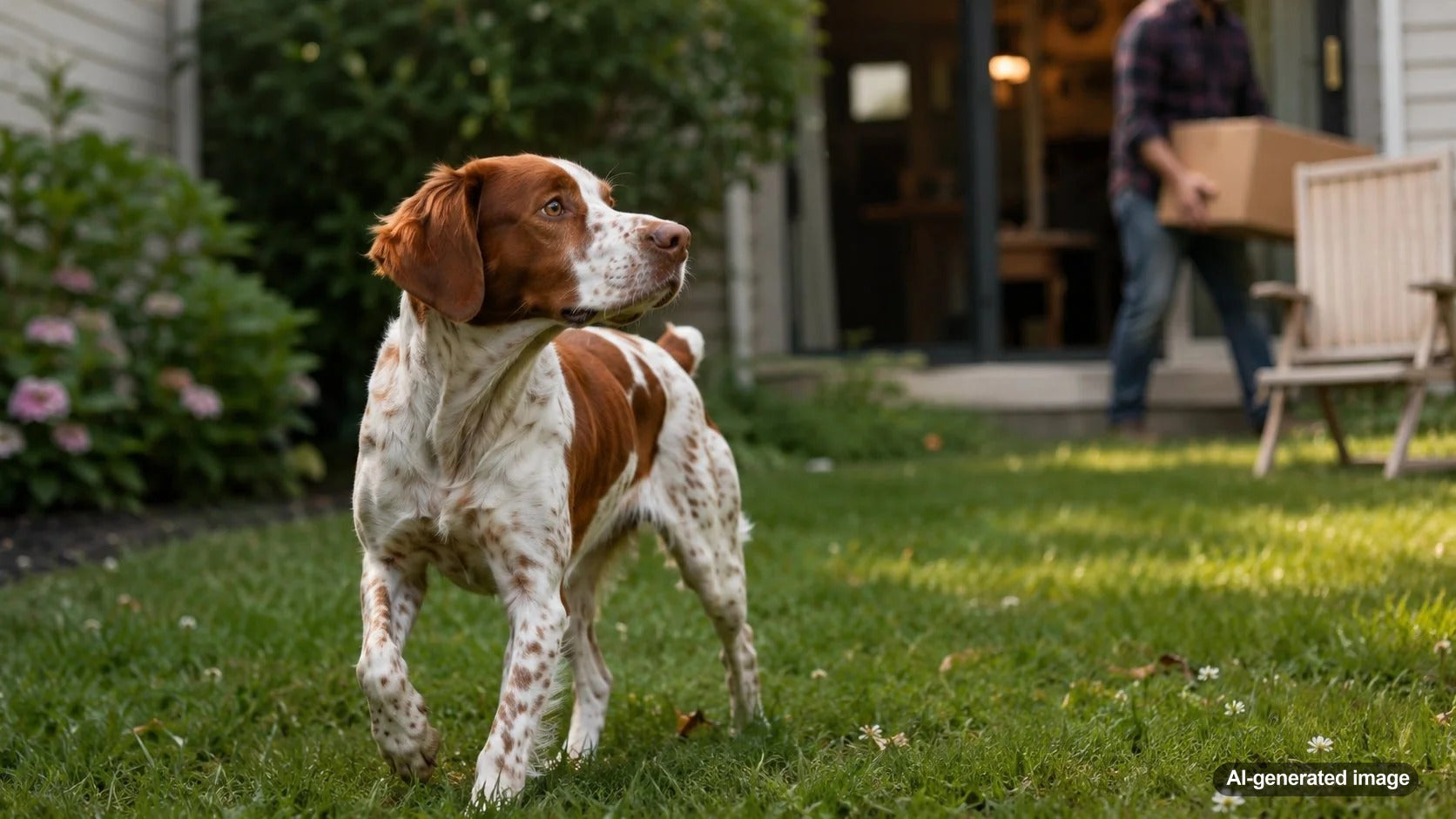
Some dogs can tell that something has changed before you have finished moving the furniture. A new delivery box, a different morning schedule, an unfamiliar sound in the hallway, or even a family member wearing a hat can earn an immediate inspection. Breeds that tend to notice every change in the household are often alert, observant, people-focused dogs whose original jobs required them to monitor movement, surroundings, or human cues closely.
This awareness can be charming and useful, but it may also mean that your dog needs thoughtful introductions to changes. Breed tendencies matter, yet personality, early socialization, age, health, and past experiences can make two dogs of the same breed react very differently.
Why Some Dogs Seem to Notice Everything
Dogs experience a household through scent, sound, movement, and routine. A chair moved across the room does not simply look different. It may change the usual walking path, carry fresh odors from another area, or create unfamiliar shadows at night.
Many highly observant breeds were developed to work in close partnership with people. Herding dogs had to detect small movements from livestock and respond quickly to a handler. Guardian and watchdog breeds needed to identify unusual activity. Some companion breeds were selected to remain attentive to the people around them.
This does not automatically mean a dog is anxious. A relaxed dog may notice a new object, sniff it for five seconds, and continue with the day. Concern becomes more likely when the dog cannot settle, repeatedly patrols, refuses food, hides, pants without physical exertion, or reacts intensely to ordinary changes.
Border Collies
Border Collies are famous for monitoring motion. In a home, that ability may appear as watching every person who stands up, noticing a changed walking route, or investigating a newly closed door. They can also learn household patterns remarkably quickly, including which shoes predict a walk and which cabinet holds the treats.
Because they are active problem-solvers, simply noticing a change can become an invitation to manage it. A Border Collie may attempt to organize children, follow a vacuum, or stare at an object that is out of place. Daily training games, sniffing activities, and food puzzles can give that sharp attention a productive outlet.
Shetland Sheepdogs
Shelties are alert, sensitive herding dogs that often stay closely tuned to their families. They may notice a visitor approaching, a neighbor using a different door, or a subtle shift in a person's mood. Many also use their voices readily, so their first response to a change may be an announcement.
Owners can help by acknowledging the alert and teaching a predictable follow-up cue such as "thank you" followed by "place" or "settle." Rewarding calm behavior is usually more useful than repeatedly scolding barking, which can add excitement to the event.
Australian Shepherds and Australian Cattle Dogs
Both breeds were developed to work around livestock, but their household styles can feel different. Australian Shepherds often keep close track of family activity and may shadow people from room to room. Australian Cattle Dogs can be intensely aware of boundaries, movement, and unfamiliar arrivals.
These dogs may struggle when a busy day offers plenty to monitor but no appropriate job. Structured walks, short training sessions, scent searches, and interactive feeding can help. For a dog who becomes fixated on every delivery or household sound, a loaded The Pupsicle can provide a longer-lasting licking activity in a quieter room while the event passes.
German Shepherd Dogs and Doberman Pinschers
German Shepherd Dogs and Doberman Pinschers are intelligent working breeds known for watchfulness and strong connections with their households. They may position themselves where they can observe entrances, check unfamiliar noises, or notice that a regular family member is absent.
The goal should not be to eliminate awareness. Instead, teach the dog what to do after noticing something. A calm check-in with the owner, a mat cue, or a brief search for scattered treats can replace prolonged pacing or barking. Thoughtful socialization is especially important because vigilance without positive exposure can develop into overreaction.
Miniature Schnauzers and Papillons
Small dogs can be every bit as observant as larger working breeds. Miniature Schnauzers often make enthusiastic household reporters, especially when doors, windows, or visitors are involved. Papillons are quick, alert companion dogs that frequently track human behavior and learn routines with impressive speed.
Their size can cause owners to overlook stress signals or allow barking that would feel more concerning from a large dog. Small dogs still benefit from gradual introductions, choice, distance, and reinforcement for calm investigation.
What Household Awareness Looks Like in Real Life
- Stop at the doorway and scan the room before entering
- Sniff a moved object or new package repeatedly
- Follow a person whose schedule has changed
- Bark at new decorations, appliances, or furniture
- Check rooms when a family member is away
- Watch unfamiliar repair workers closely
- Have difficulty settling during packing or rearranging
Puppies may react because the experience is completely new. Adolescent dogs can become temporarily more cautious as they mature. Senior dogs may be unsettled by layout changes if their vision, hearing, mobility, or cognitive health is changing. Sudden new sensitivity in an adult or senior dog deserves attention, particularly when it appears alongside appetite changes, pain, confusion, sleep disruption, or unusual aggression. Contact your veterinarian when a behavior change is abrupt or significant.
How to Help an Observant Dog Handle Change
Introduce changes in manageable pieces when possible. Let your dog sniff a new object before placing it permanently. Keep access to familiar beds, water bowls, and resting areas. During a schedule change, preserve a few reliable anchors such as the morning walk, dinner routine, or evening quiet time.
Pairing change with something pleasant may also help. Scatter a few treats near new furniture without forcing your dog to approach. Practice settling while low-level household activity happens. A FlipMat can turn licking and slow feeding into a repeatable calming activity during furniture assembly, visiting hours, or other mildly distracting moments.
Dogs also need enough sleep and decompression. An overtired, under-stimulated, or constantly interrupted dog may react more strongly to changes. Balance physical exercise with sniffing, chewing, licking, training, and quiet rest rather than trying to exhaust the dog through nonstop activity.
When Watchfulness Becomes a Problem
Normal awareness is brief and flexible. A dog notices, gathers information, and recovers. Consider speaking with a qualified trainer or veterinary behavior professional when your dog cannot disengage, guards new objects, lunges at visitors, destroys barriers, refuses to enter altered rooms, or remains distressed long after the change.
Management can keep everyone safer while you seek help. Use gates, distance, covered windows, quiet rooms, and predictable routines. Avoid punishing growling or other warnings. Those signals provide valuable information that your dog needs more space or support.
Dog Parent FAQs
Are herding dogs more sensitive to household changes?
Many are highly attentive to motion, patterns, and human cues because those abilities supported their original work. Individual temperament and experience still matter.
Why does my dog bark when I move furniture?
The new arrangement may look, smell, or sound unfamiliar. Give your dog time and distance, then reward calm investigation rather than forcing an approach.
Can enrichment help a dog adjust to changes?
Enrichment may provide a familiar activity and help redirect attention. It works best alongside gradual exposure, predictable routines, and appropriate professional help when distress is severe.
Should I worry if my senior dog suddenly reacts to everything?
A sudden behavior change can be connected to discomfort, sensory changes, or other health concerns. Schedule a veterinary checkup, especially if you notice confusion, pain, appetite changes, or disrupted sleep.
The Bottom Line
Breeds that notice every household change are not being dramatic. They may be doing exactly what generations of attentive working or companion dogs were shaped to do. With calm guidance, rewarding outlets, and predictable routines, that watchful nature can become one of the qualities you appreciate most about living with them.


