






































































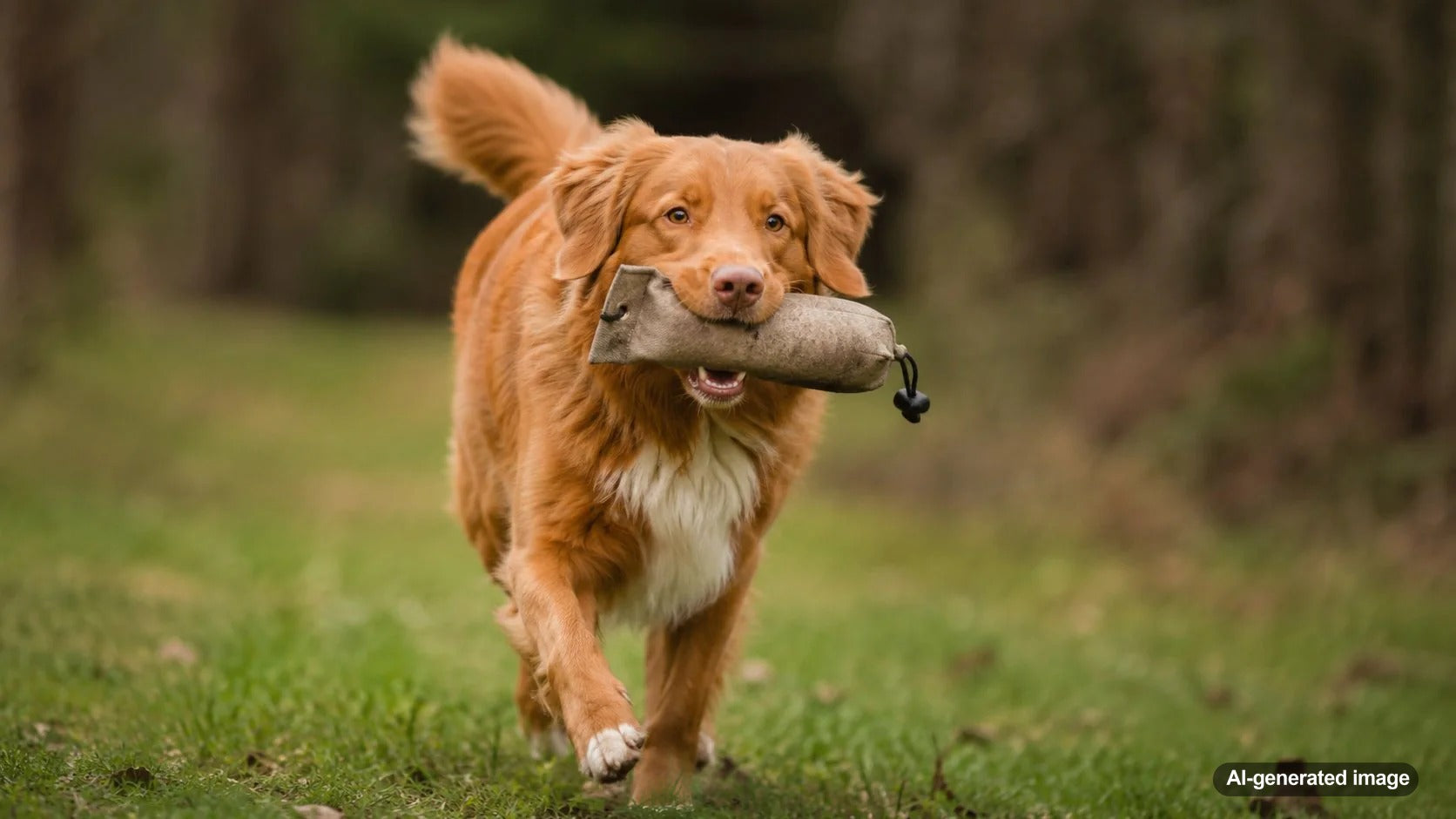
Some dogs do not just play with toys. They proudly carry them from room to room like tiny trophies, greeting you at the door with a stuffed animal, a ball, or one very questionable sock. Breeds That Tend to Love Carrying Things in Their Mouths often have retrieving, working, or people-pleasing instincts behind the habit, but plenty of individual dogs simply learn that carrying something feels comforting, fun, or rewarding.
If your dog always seems to need something in their mouth, it is not automatically a bad thing. Carrying can be a normal outlet for excitement, self-soothing, play, attention-seeking, or breed-based instincts. The key is knowing which dogs are more likely to do it, what the behavior can mean, and how to guide it toward safe, appropriate items instead of shoes, laundry, or sticks from the yard.
Quick answer: Retrievers are the classic mouth-carrying champions, especially Labrador Retrievers, Golden Retrievers, Flat-Coated Retrievers, Chesapeake Bay Retrievers, and Nova Scotia Duck Tolling Retrievers. Spaniels, Poodles, some herding breeds, and many mixed-breed dogs may also love carrying toys, soft items, leashes, or household treasures. It is often normal, but sudden changes, guarding, chewing dangerous objects, or obsessive behavior are worth discussing with a veterinarian or qualified trainer.
Why Some Dogs Love Carrying Things
Many dogs explore the world with their mouths, especially as puppies. Mouthing, picking things up, and carrying objects can be part curiosity, part play, and part emotional expression. A dog may grab a toy when they are excited because it gives their energy somewhere to go. Another dog may carry a blanket or plush toy because the texture is comforting.
For certain breeds, carrying has deeper working roots. Retrievers were developed to pick up birds and bring them back without crushing them, which is where the idea of a gentle or soft mouth comes from. In everyday family life, that instinct may show up as a Labrador proudly delivering your slipper or a Golden Retriever holding a stuffed toy every time a guest walks in.
Retriever Breeds That Often Love to Carry
Retrievers are the most obvious group to start with because carrying is baked into their job history. Labrador Retrievers and Golden Retrievers are especially famous for holding toys, balls, towels, and sometimes random household items. Many Labs love having a job, and carrying a toy on a walk or bringing you a ball can feel like important work.
Golden Retrievers may be especially gentle with soft toys, though every dog is different. Flat-Coated Retrievers and Chesapeake Bay Retrievers can also be enthusiastic carriers, often with a bit more drive and determination. Nova Scotia Duck Tolling Retrievers are smaller than many retrievers, but they are clever, busy dogs who often enjoy fetch, carrying games, and interactive routines.
Spaniels, Setters, and Sporting Dogs
Spaniels and setters may also enjoy carrying because many were bred to work closely with people in the field. Cocker Spaniels, English Springer Spaniels, and Boykin Spaniels may pick up toys and parade them around, especially when they are excited. Some love soft toys, while others prefer balls or textured chew-safe items.
These breeds often benefit from activities that combine movement, scent, and gentle carrying. A short game of find-it with a favorite toy, a calm indoor retrieve, or a treat-stuffed puzzle can help satisfy that busy sporting-dog brain without turning your living room into a laundry scavenger hunt.
Poodles and Doodles May Be Toy Carriers Too
Many people forget that Standard Poodles have sporting roots, and plenty of Poodles enjoy carrying, retrieving, and showing off toys. Miniature and Toy Poodles may do it too, though the items they choose are often smaller and softer. Doodle mixes can inherit this habit from Retriever, Poodle, or Spaniel ancestry, so a Goldendoodle, Labradoodle, or Cockapoo may be very committed to having a toy in their mouth.
For smaller dogs, size matters. Choose items that are easy to grip but too large to swallow. If a small dog carries socks or kids' toys, swap them for dog-safe plush toys or appropriately sized enrichment toys instead of chasing them, which can accidentally turn the behavior into a thrilling game.
Herding Breeds and Working Dogs Who Like a Job
Border Collies, Australian Shepherds, German Shepherd Dogs, and other working breeds may carry things for slightly different reasons. They may not have the same retrieving history, but many are highly task-oriented. Carrying a toy, tug, or training pouch can feel like a job, especially for dogs who love structure.
These dogs may also grab objects when overstimulated. For example, a herding dog might pick up a toy when guests arrive because they are excited and need an outlet. Teaching a cue like "get your toy" can turn that energy into a polite greeting routine.
When Carrying Is Cute and When to Pay Attention
Most casual carrying is harmless when the item is safe, the dog is relaxed, and they are not guarding it. A happy dog trotting around with a plush toy is usually just being a dog. But there are a few times to slow down and look closer.
Watch for these signs:
- Your dog growls, stiffens, or snaps when you approach the item.
- Your dog swallows pieces of toys, sticks, socks, or fabric.
- The behavior appears suddenly or comes with drooling, mouth pain, appetite changes, or bad breath.
- Your dog seems unable to settle unless they are holding something.
- Your dog chews or carries unsafe items during separation stress.
If you notice guarding, sudden behavior changes, mouth discomfort, vomiting, diarrhea, or repeated attempts to eat non-food objects, check with your veterinarian or a qualified trainer. Carrying may be normal, but discomfort, anxiety, or unsafe chewing deserves support.
How to Channel the Habit Safely
Instead of trying to stop a natural carrying habit, give it better options. Keep a basket of approved toys near the door so your dog can grab one when visitors arrive. Practice trading stolen items for treats instead of chasing your dog through the house. Praise your dog when they choose their own toy, then quietly remove off-limits items from reach.
For dogs who need longer-lasting enrichment, The Pupsicle can be a helpful tool because it gives them a satisfying, dog-safe activity that encourages licking and focused engagement. For dogs who love both fetch and brain games, Flyball can add treat-dispensing puzzle play to a classic carrying and chasing routine. Always supervise play, choose the right size, and remove any toy that becomes damaged.
Helpful tip: If your dog greets you with a shoe, stay calm and trade. Offer an approved toy or treat, praise the swap, and make shoes less available next time. The goal is to teach, "Bring me your toy," not "Steal better stuff so the humans run."
Dog Parent FAQs
Is it normal for my dog to always carry a toy?
Yes, many dogs carry toys when they are excited, playful, or settling themselves. It is usually normal if the dog is relaxed, not guarding, and using safe items.
Which breeds are most likely to carry things in their mouths?
Retrievers are the classic carriers, especially Labs and Goldens. Spaniels, Poodles, setters, herding breeds, and many mixed-breed dogs may also enjoy carrying toys or soft items.
Should I let my dog carry sticks?
Carrying a stick briefly may seem harmless, but chewing or playing fetch with sticks can be risky because wood can splinter or cause mouth injuries. A dog-safe toy is a better choice.
Why does my dog bring me things when I come home?
Your dog may be excited, offering a greeting gift, asking for play, or using the item to manage big feelings. Teaching them to grab an approved toy can make the greeting safer and sweeter.
The Bottom Line on Mouthy Toy Toters
Dogs who love carrying things are often showing a mix of instinct, personality, excitement, and learned behavior. For many Retrievers, Spaniels, Poodles, and working breeds, a toy in the mouth is just part of how they move through the world. Give them safe options, reward good choices, and pay attention to any signs of guarding, discomfort, or unsafe chewing. With the right outlet, your dog's favorite carrying habit can become one of their most charming daily rituals.


