






































































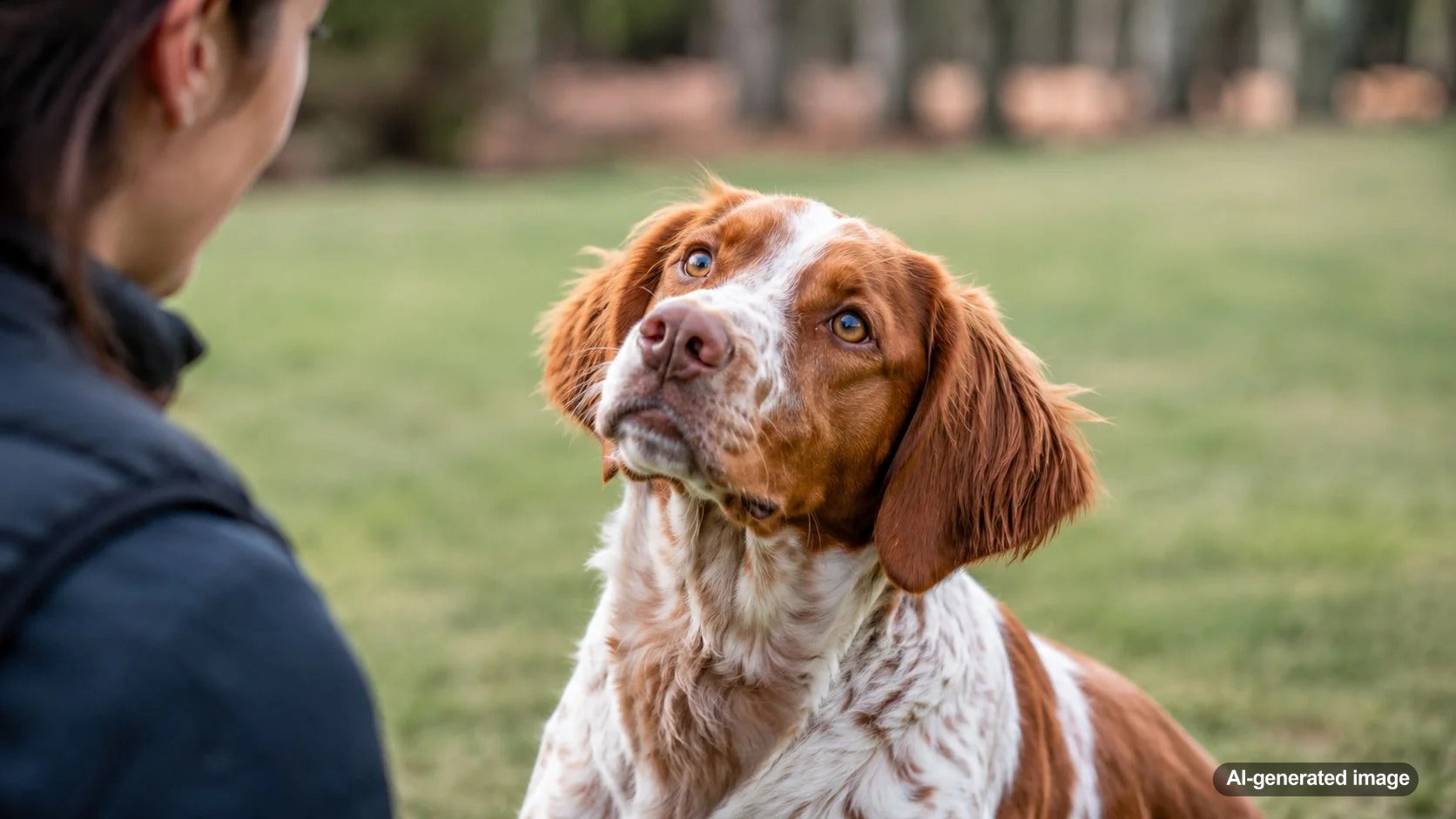
Some dogs hear your words, but many dogs feel your tone first. A sharp sigh, a frustrated command, or a louder-than-usual correction can make a sensitive dog freeze, slink away, bark more, or suddenly act like they have forgotten everything they know. Breeds That Tend to Be Sensitive to Tone of Voice are often deeply connected, highly trainable, and eager to please, which is wonderful when you use calm guidance and confusing when everyday frustration accidentally feels like pressure.
Breed can influence sensitivity, but it is not destiny. A confident Border Collie and a shy Labrador can live in the same neighborhood and react very differently to the same voice. Age, socialization, past experiences, household noise, health, and how predictable your routine feels all matter too.
Why Some Dogs React So Strongly to Your Tone
Dogs are excellent at reading human patterns. Before a dog fully understands a cue like sit, wait, or leave it, they are already noticing your pitch, volume, speed, posture, and facial expression. A cheerful voice can signal safety and reward. A tense or booming voice can feel like conflict, even if you only meant to get their attention.
Sensitive dogs often are not being dramatic or stubborn. They may be trying very hard to figure out whether they are safe, whether you are upset, and what action will make the pressure stop. This is why yelling can backfire. Instead of teaching the dog what to do, it can make them avoid, shut down, bark defensively, or offer random behaviors in a panic.
Breeds That Often Notice Tone More Than Most
These breed groups are commonly described by trainers and dog owners as highly tuned in to people. Your individual dog may vary, but these are good examples of dogs who often thrive with softer communication.
| Breed or group | Why tone matters | What often works best |
|---|---|---|
| Border Collies, Australian Shepherds, Collies, and Shetland Sheepdogs | Herding dogs are bred to notice tiny changes in movement, pressure, and direction. They may pick up on a tense voice very quickly. | Short training sessions, quiet cues, movement games, and clear reward timing. |
| Golden Retrievers and Labrador Retrievers | Many are eager to cooperate and may become worried when their person sounds disappointed. | Warm praise, consistent rules, food rewards, and calm resets when they get too excited. |
| Poodles and many doodle mixes | Smart, observant dogs may notice patterns fast, including emotional changes in the household. | Varied enrichment, gentle problem-solving, and cues taught in small steps. |
| Cavalier King Charles Spaniels and other companion breeds | People-focused dogs may be especially affected by scolding or cold body language. | Reassurance, routine, soft praise, and predictable handling. |
| German Shepherds and Vizslas | These dogs can be intensely bonded and responsive, which can make them sensitive to unclear pressure. | Calm leadership, structured outlets, and confident but not harsh communication. |
| Whippets and other gentle sighthounds | Some are soft-natured and may withdraw from loud voices or rough handling. | Low-pressure training, patience, and a quiet environment for learning. |
Signs Your Dog Is Sensitive to Tone of Voice
A tone-sensitive dog may not always look scared in an obvious way. Watch for subtle body language. Your dog may turn their head away, lick their lips, yawn, blink slowly, tuck their tail, lower their body, leave the room, stop taking treats, or suddenly become extra clingy.
Some dogs go the opposite direction. They bark, jump, mouth, spin, or get more intense because your tension has raised their arousal. In that moment, they may not need a firmer voice. They may need less pressure, more space, and a simpler job.
How to Train a Sensitive Dog Without Walking on Eggshells
You do not have to whisper forever or let your dog run the house. Sensitive dogs still need boundaries. The key is to make your communication steady, clear, and fair.
Try using one upbeat marker word, such as yes, to tell your dog the exact moment they got it right. Pair it with a small treat, praise, or a chance to do something they enjoy. If your dog makes a mistake, pause instead of escalating. Ask for an easier behavior, reward that, and then try again.
For example, if your dog jumps when guests arrive, avoid shouting down over and over. Practice a quieter routine before the doorbell happens. Reward four paws on the floor, scatter a few treats away from the doorway, or give your dog a settling activity before the excitement peaks. Bite-sized rewards like Love Nuggets can be useful for practicing calm choices because they are easy to deliver quickly without turning training into a huge snack session.
Use Enrichment to Take Pressure Off Training
Sensitive dogs often do better when their day includes predictable outlets for licking, sniffing, chewing, and problem-solving. A dog who has had appropriate mental stimulation may find it easier to listen without getting overwhelmed. This is especially helpful for herding breeds, young dogs, and dogs who become frantic when the house gets busy.
Licking can be a simple way to help a dog settle into a calmer rhythm during stressful moments like grooming, visitors, or post-walk decompression. Woof's FlipMat can be used as a dual-sided lick mat and slow feeder, giving your dog a focused activity while you practice calm household routines. Always supervise enrichment, choose the right setup for your dog's size and chewing style, and remove any item that becomes damaged.
Common Mistakes With Tone-Sensitive Dogs
One common mistake is repeating a cue louder each time. Dogs can learn that sit, sit, sit, SIT means the fourth version is the real cue. Another mistake is using a disappointed voice after calling the dog to you. If your dog finally comes back and hears frustration, they may be less likely to return quickly next time.
It is also easy to confuse softness with lack of structure. Sensitive dogs do not need unlimited freedom. They need rules taught in a way they can understand. Calm does not mean permissive. It means your dog can trust that you will show them the next right step.
When Sensitivity May Need Extra Support
If your dog seems fearful of normal household sounds, panics when voices rise, hides often, growls when approached, stops eating, shows sudden behavior changes, or cannot recover after mild stress, check in with your veterinarian or a qualified force-free trainer. Pain, hearing changes, anxiety, past trauma, and medical issues can all affect how a dog responds to your voice and environment.
Puppies and senior dogs also deserve extra patience. Puppies are still learning what human sounds mean. Seniors may have changes in hearing, vision, comfort, or confidence that make sudden voices more startling than they used to be.
Dog Parent FAQs
Are sensitive dogs harder to train?
Not usually. Many sensitive dogs are extremely trainable because they pay close attention. They often need clear cues, calm repetition, and reward-based practice instead of pressure.
Should I never correct a sensitive dog?
You can guide and interrupt behavior without scaring your dog. Use calm redirection, management, and teaching an alternative behavior rather than yelling or using intimidation.
Can mixed-breed dogs be sensitive to tone too?
Yes. Breed can offer clues, but any dog can be tone-sensitive based on personality, early experiences, health, and daily environment.
What should I do after I accidentally yell at my dog?
Reset calmly. Give your dog space, soften your body language, ask for something easy if they are ready, and reward a calm response. Then adjust the situation so you are less likely to repeat the pattern.
The Takeaway for Sensitive Dogs
A sensitive dog is not weak. They are often observant, bonded, and eager to understand you. When you use a steady voice, reward the behavior you want, and build calming routines into the day, that sensitivity can become one of your dog's sweetest strengths.


