






































































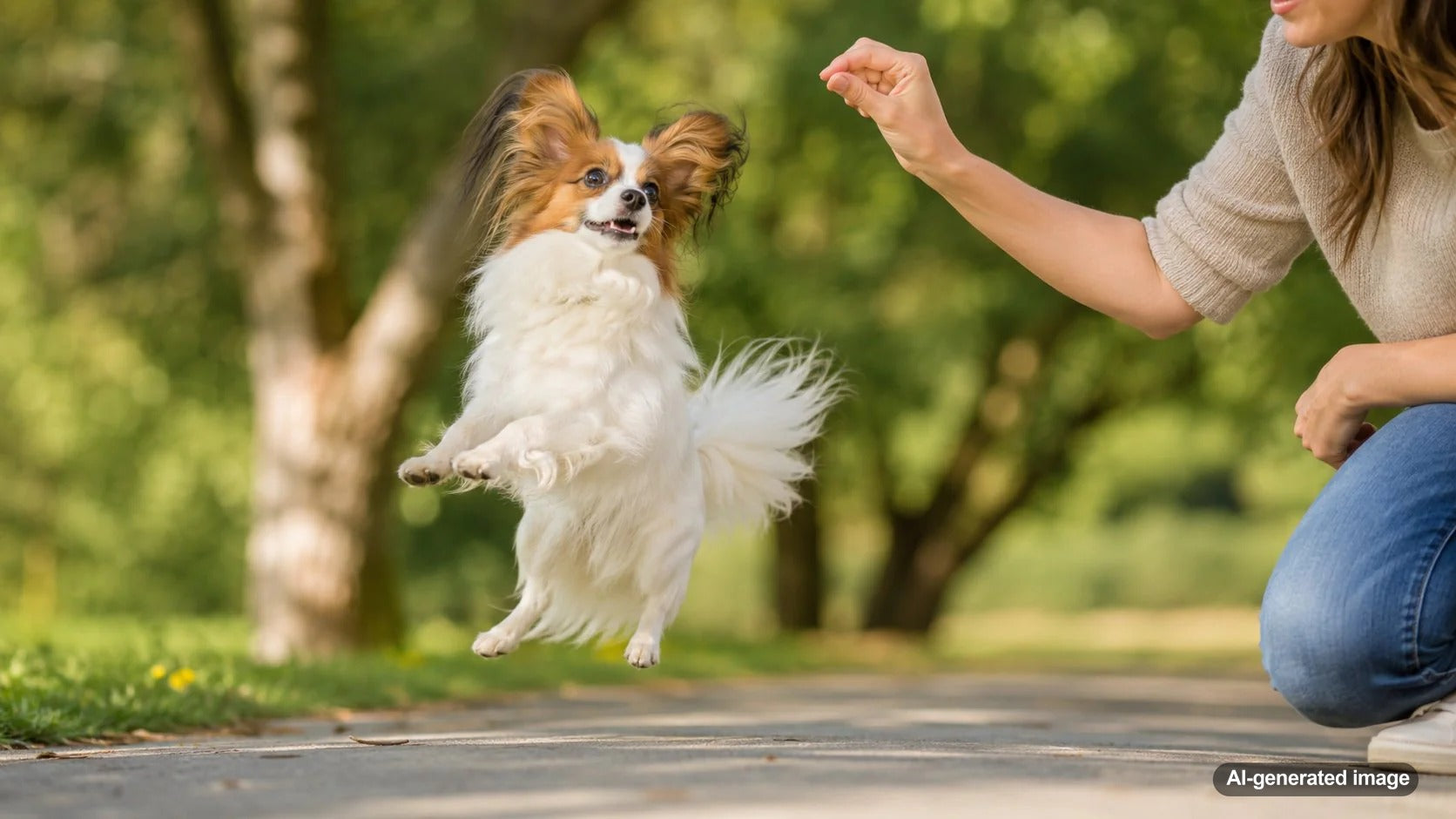
Some dogs seem born for the spotlight. They spin, bow, weave through legs, put toys away, and learn new cues so quickly that you start wondering who is training whom. Breeds That Shine With Trick Training are often smart, motivated, people-focused dogs, but the real magic comes from matching the trick to your dog's personality, energy level, and favorite rewards.
Trick training is more than cute party behavior. It can build confidence, sharpen focus, give busy brains a healthy job, and turn a regular afternoon into quality bonding time. Many breeds can succeed with tricks, including mixed-breed dogs, senior dogs, and shy dogs, when sessions are short, positive, and rewarding.
Quick Answer: Which Breeds Shine With Trick Training?
Border Collies, Poodles, Golden Retrievers, Labrador Retrievers, Papillons, Shetland Sheepdogs, Australian Shepherds, German Shepherds, Corgis, and many mixed-breed dogs often do especially well with trick training. These dogs tend to be food-motivated, people-oriented, athletic, curious, or quick to problem-solve. Still, breed is only one piece of the puzzle. A calm setup, clear cue, tiny training steps, and the right reward matter just as much.
What Makes a Dog Great at Tricks?
The best trick-training dogs usually have a few traits in common. They notice patterns, enjoy working with people, recover quickly after mistakes, and care enough about a reward to try again. That reward might be a tiny treat, a quick game of tug, a chance to chase a toy, or enthusiastic praise.
Owners sometimes misunderstand trick training as something only for highly obedient dogs. In reality, tricks can help create better focus because they give a dog a fun way to practice listening. A dog who jumps on guests may love learning "sit pretty" or "go to your mat." A dog who steals socks may enjoy learning "drop it" and "put it in the basket." A dog who gets restless on rainy days may calm down faster after five minutes of nose targeting, spins, and treat puzzles.
Breeds That Often Love Trick Training
| Breed | Why They Often Shine | Tricks to Try First |
|---|---|---|
| Border Collie | Fast-learning, intense, and eager for mental work. | Weave, crawl, toy names, tidy up. |
| Poodle | Bright, athletic, and often very responsive to people. | Spin, bow, hoop jump, carry an item. |
| Golden Retriever | Friendly, food-motivated, and happy to work with a handler. | Shake, take a bow, fetch by name. |
| Labrador Retriever | Enthusiastic, reward-driven, and usually game for repetition. | Touch, roll over, retrieve, find it. |
| Papillon | Small but speedy, alert, and often surprisingly bold. | Spin, jump through arms, wave. |
| Shetland Sheepdog | Quick, sensitive, and pattern-loving. | Heelwork tricks, circle, back up. |
| Australian Shepherd | Energetic, focused, and happiest with a job. | Leg weave, place, toy sorting. |
| German Shepherd | Loyal, structured, and eager to understand the task. | Targeting, carry, bow, directional cues. |
Herding Breeds: Brilliant, Busy, and Ready for a Job
Border Collies, Australian Shepherds, Shetland Sheepdogs, and Corgis were bred to notice movement, respond to cues, and make decisions quickly. That can make them incredible trick dogs, especially for tricks that involve direction, body awareness, and problem-solving.
The flip side is that these dogs may get frustrated if the session is too repetitive or unclear. Keep steps tiny. Reward small progress. If your dog starts barking, nipping at sleeves, or guessing wildly, that is usually a sign to make the task easier or take a movement break.
Retrievers: Happy Workers With Big Reward Energy
Golden Retrievers and Labrador Retrievers often shine because they are enthusiastic partners. Many are food-motivated and love carrying things, which makes them great candidates for tricks like "bring me your toy," "put it away," or "find the ball." Their cheerful energy can be a gift, but it can also turn into treat-snatching or bouncing if the session gets too exciting.
For these dogs, use small rewards and slow the rhythm. Ask for one clean behavior, reward, pause, then reset. Bite-sized training treats like Love Nuggets can fit nicely into short practice sessions because quick rewards help keep the flow moving without turning training into a full meal.
Poodles and Papillons: Small, Smart, and Sneaky Athletic
Poodles of all sizes and Papillons are often stars in trick work because they combine intelligence with agility. Papillons may be tiny, but many are bold, fast, and eager to try. Poodles are often excellent at learning sequences, which can make them fun partners for routines like spin, bow, jump, and retrieve.
With small dogs, be mindful of surfaces and jump height. Tricks should not strain knees, backs, or growing joints. A low spin, paw target, nose touch, or platform trick can be just as impressive as a jump, and much easier on the body.
Mixed-Breed Dogs Can Absolutely Shine Too
A dog's breed can hint at learning style, but it does not decide their potential. Plenty of mixed-breed dogs are fantastic trick learners because they are curious, playful, and deeply tuned in to their people. Instead of asking, "Is my dog the right breed?" ask, "What does my dog love enough to work for?"
If your dog lights up for food, use tiny treats. If your dog loves toys, reward with a quick toss. If your dog gets overwhelmed easily, use calm praise and easier steps. The best trick plan is the one your actual dog enjoys repeating.
Helpful Tip: Keep Trick Sessions Short
Most dogs learn better in short, upbeat bursts than in one long lesson. Try 3 to 5 minutes, end while your dog is still having fun, and practice again later. Puppies, seniors, shy dogs, and easily frustrated dogs may need even shorter sessions.
How to Start Trick Training Without Frustration
Start with one simple behavior: nose touch, paw, spin, or go to a mat. Use a reward your dog genuinely likes, mark the moment they get it right with a consistent word like "yes," then reward right away. Timing matters because dogs learn from the exact behavior that earns the good thing.
Break every trick into smaller pieces. For "spin," reward your dog for turning their head, then stepping in a curve, then completing the circle. For "tidy up," reward looking at the toy, touching the toy, picking it up, moving toward the basket, and finally dropping it in. What looks like one polished trick is usually a chain of tiny wins.
Between training rounds, enrichment can help keep a smart dog from tipping into boredom. A puzzle-style toy such as Nomchucks can turn treat time into a brain game, which is useful when your dog still wants a job but your training session is done.
Common Trick Training Mistakes
One common mistake is raising the difficulty too quickly. If your dog can spin in the kitchen but not in the yard, they are not being stubborn. The yard is simply harder because it has smells, sounds, and distractions. Go back to easier steps and reward generously.
Another mistake is repeating the cue over and over. Say it once, help your dog succeed, then reward. Repeating "roll over, roll over, roll over" can teach your dog that the cue is background noise. It is also easy to overuse treats that are too large. Training rewards should be small enough that your dog can eat quickly and stay focused.
Finally, watch your dog's body language. If they avoid you, lick their lips repeatedly, limp, seem painful, or suddenly stop wanting to train, pause. If you notice pain, major behavior changes, appetite changes, or anything that worries you, check with your veterinarian or a qualified trainer.
Dog Parent FAQs
Can any dog learn tricks?
Yes. Most dogs can learn tricks when the training is positive, simple, and matched to their age, body, and motivation. Some dogs learn flashy tricks, while others do best with practical tricks like touch, place, or find it.
What is the easiest trick to teach first?
Nose touch is a great starter trick. Hold out your hand, let your dog investigate, mark the moment their nose touches your palm, and reward. It builds focus and can lead to many other tricks.
Are high-energy breeds better at trick training?
High-energy breeds may enjoy tricks because they like having a job, but energy alone is not enough. Calm focus, clear steps, and good rewards make training successful.
How often should I practice tricks with my dog?
Short sessions a few times a week can work well for many dogs. Daily practice is fine if your dog enjoys it, but keep sessions brief and stop before either of you gets frustrated.
The Takeaway
The breeds that shine with trick training often have quick minds, eager hearts, and a strong desire to connect with their people. Border Collies, Poodles, Retrievers, Papillons, Shelties, Aussies, German Shepherds, Corgis, and plenty of mixed-breed dogs can all become delightful trick partners. Start small, reward generously, protect your dog's body, and let the training feel like play. The best trick is not always the flashiest one. It is the one that makes your dog feel confident, connected, and excited to learn with you.


