






































































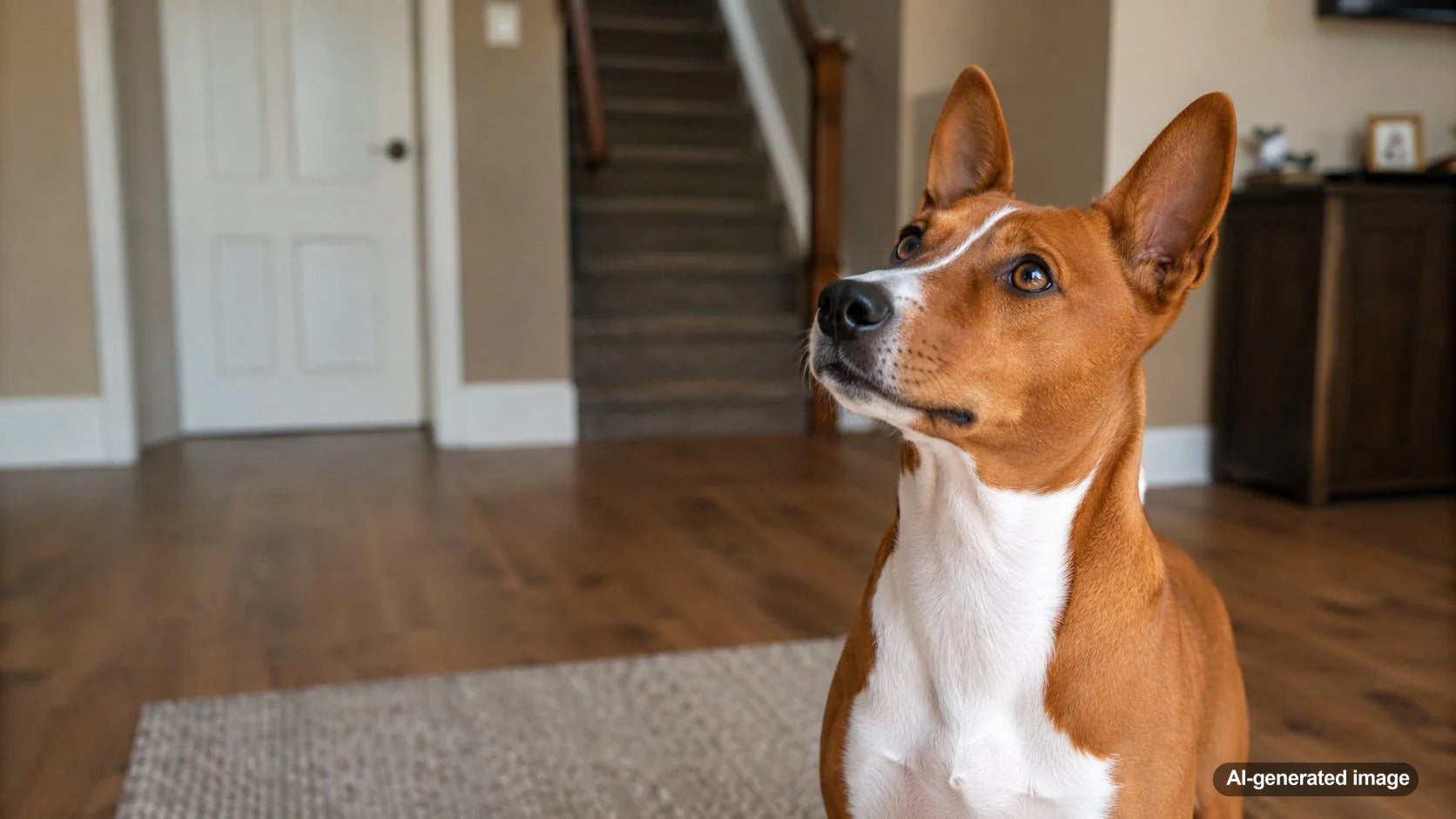
Some dogs miss absolutely nothing. Move a chair six inches, bring home a new grocery bag, swap your work shoes for sneakers, or change the bedtime routine, and suddenly your pup is on high alert like they have been assigned household security duty. Breeds That Often Notice Every Tiny Household Change tend to be smart, observant, sensitive to patterns, and deeply tuned in to their people. It can be funny, sweet, and occasionally exhausting, especially when your dog thinks every new sound, smell, or object deserves a full investigation.
While any dog can be observant, certain breed types are more likely to notice tiny shifts because of what they were originally bred to do. Herding dogs watch movement. Guarding breeds monitor territory. Terriers often react quickly to small sounds or motion. Companion breeds may be especially tuned in to human habits and emotions. The goal is not to label these dogs as difficult, but to understand what their busy brains are trying to process.
Why Some Dogs Notice Tiny Changes So Quickly
Dogs live in a world of scent, sound, movement, and routine. A new package by the front door may smell like a delivery truck, a stranger's hands, cardboard, and whatever warehouse it came from. A moved chair may change the way the room looks and how sound bounces through the space. A different morning routine may tell your dog that something unusual is about to happen.
Highly observant dogs often build a mental map of the home. They know where the food bowl sits, which door usually opens before a walk, which shoes mean work, and which cabinet holds the good snacks. When something breaks the pattern, they notice. This is especially common in dogs bred for close work with people, livestock, property, or fast-moving environments.
Breeds That Often Spot Every Little Shift
Border Collies are famous for their focus. Many were bred to read tiny movements from sheep and handlers, so they may notice when a family member changes direction, when a child runs through the room, or when a new object appears in their usual path.
Australian Shepherds and Australian Cattle Dogs are also highly aware working breeds. They often like having a job and may create one if life feels too quiet. That can look like following you from room to room, watching doorways, checking on kids, or reacting to every sound from outside.
Shetland Sheepdogs, often called Shelties, are small herding dogs with big radar. They can be sensitive to noise, movement, and household energy. A changed routine, raised voice, or unexpected visitor may get their attention quickly.
German Shepherds and Belgian Malinois are working breeds known for alertness and responsiveness. In family homes, that awareness may show up as watching windows, monitoring visitors, or needing clear routines to help them settle.
Poodles, including standard, miniature, and toy sizes, are clever and people-focused. Many notice emotional changes, schedule shifts, and new household rules faster than expected. Their intelligence can be delightful, but it also means they benefit from mental outlets.
Miniature Schnauzers and Jack Russell Terriers may be smaller, but they are often quick to react. Terriers were developed to notice movement, sound, and small animals, so a rustling bag or unfamiliar noise can feel very important to them.
What This Looks Like in Real Life
An observant dog may pause at the doorway because a laundry basket is in a new spot. They may bark when a neighbor's car sounds different, sniff a new rug for ten minutes, or stare at you when you skip the usual after-dinner walk. Some dogs become extra clingy when luggage comes out because they have learned that suitcases mean someone is leaving.
Owners sometimes mistake this behavior for stubbornness or drama. In many cases, the dog is simply processing a change. Their brain is asking, "Is this normal? Is this safe? What happens next?" When you understand that, it becomes easier to respond calmly instead of getting frustrated.
How to Help an Alert Dog Feel More Settled
The best first step is to create predictable anchors in the day. Dogs who notice everything often relax more easily when a few things stay consistent, such as meal timing, a short morning sniff walk, a quiet chew after dinner, or a bedtime cue. You do not need a rigid schedule, but repeatable routines can help your dog understand what to expect.
Calming enrichment can also give these dogs something appropriate to focus on. Licking, sniffing, chewing, and puzzle play may help redirect that busy brain into a more satisfying activity. For example, FlipMat can turn snack time into a slower, more focused routine with licking and slow-feeding textures. For dogs who need a longer-lasting distraction during household changes, guests, or busy evenings, The Pupsicle can give them an engaging treat toy to work on while life happens around them.
Common Mistakes Dog Parents Make
Try to avoid these easy-to-make mistakes:
- Laughing at barking or alert behavior so often that your dog thinks it is part of the game.
- Scolding a nervous dog for noticing something new instead of helping them feel safe.
- Skipping mental exercise and relying only on physical walks.
- Changing too many things at once for a sensitive puppy, senior dog, or newly adopted dog.
- Assuming all alert behavior is protective when it may be uncertainty, boredom, or overexcitement.
If your dog's reaction to household changes becomes intense, sudden, or hard to interrupt, it may be time to slow down and look at the bigger picture. Pain, vision changes, hearing changes, anxiety, lack of sleep, or major stress can all affect behavior. If you notice sudden fear, appetite changes, excessive drooling, limping, destructive behavior, or a big personality shift, check with your veterinarian or a qualified trainer.
Give Their Brain a Better Job
For many observant breeds, the answer is not to stop them from noticing. That is part of who they are. The better goal is to teach them what to do after they notice. A dog can learn to look at you when they hear a noise, go to a mat when guests arrive, sniff a puzzle toy during dinner prep, or enjoy a chew while furniture gets rearranged.
Training works best when it is simple and repeatable. Reward calm glances toward new things. Practice "place" or "settle" when the house is quiet before you need it during chaos. Use food puzzles, lick mats, short training games, and sniff walks to drain mental energy before predictable triggers like deliveries, visitors, or evening zoomies.
Dog Parent FAQs
Is it bad if my dog notices every little change?
Not always. Many alert dogs are simply intelligent and tuned in. It becomes a concern if your dog seems distressed, cannot settle, reacts aggressively, or suddenly becomes much more sensitive than usual.
Are herding breeds more likely to watch everything?
Many herding breeds are very observant because they were bred to notice movement, patterns, and direction. They often do best with training, exercise, and mental enrichment that gives their focus a healthy outlet.
Can enrichment help my dog stop reacting to every household change?
Enrichment may help by giving your dog a calming job, but it is not a cure for fear, anxiety, or behavior issues. Pair enrichment with gentle training, predictable routines, and professional guidance when needed.
Should I let my dog inspect new things in the house?
Usually, yes, as long as the item is safe. Letting your dog sniff and explore calmly can help them gather information and move on. Keep anything sharp, toxic, fragile, or unsafe out of reach.
The Bottom Line on Dogs Who Notice Everything
Breeds that notice every tiny household change are often the same dogs who learn quickly, bond deeply, and bring a lot of personality into daily life. Their alertness can be a gift when it is supported with structure, enrichment, and patient training. Instead of thinking, "Why is my dog making a big deal out of this?" try asking, "What changed, and how can I help my dog understand it?" A little empathy and a better outlet can turn your household detective into a calmer, happier companion.


