






































































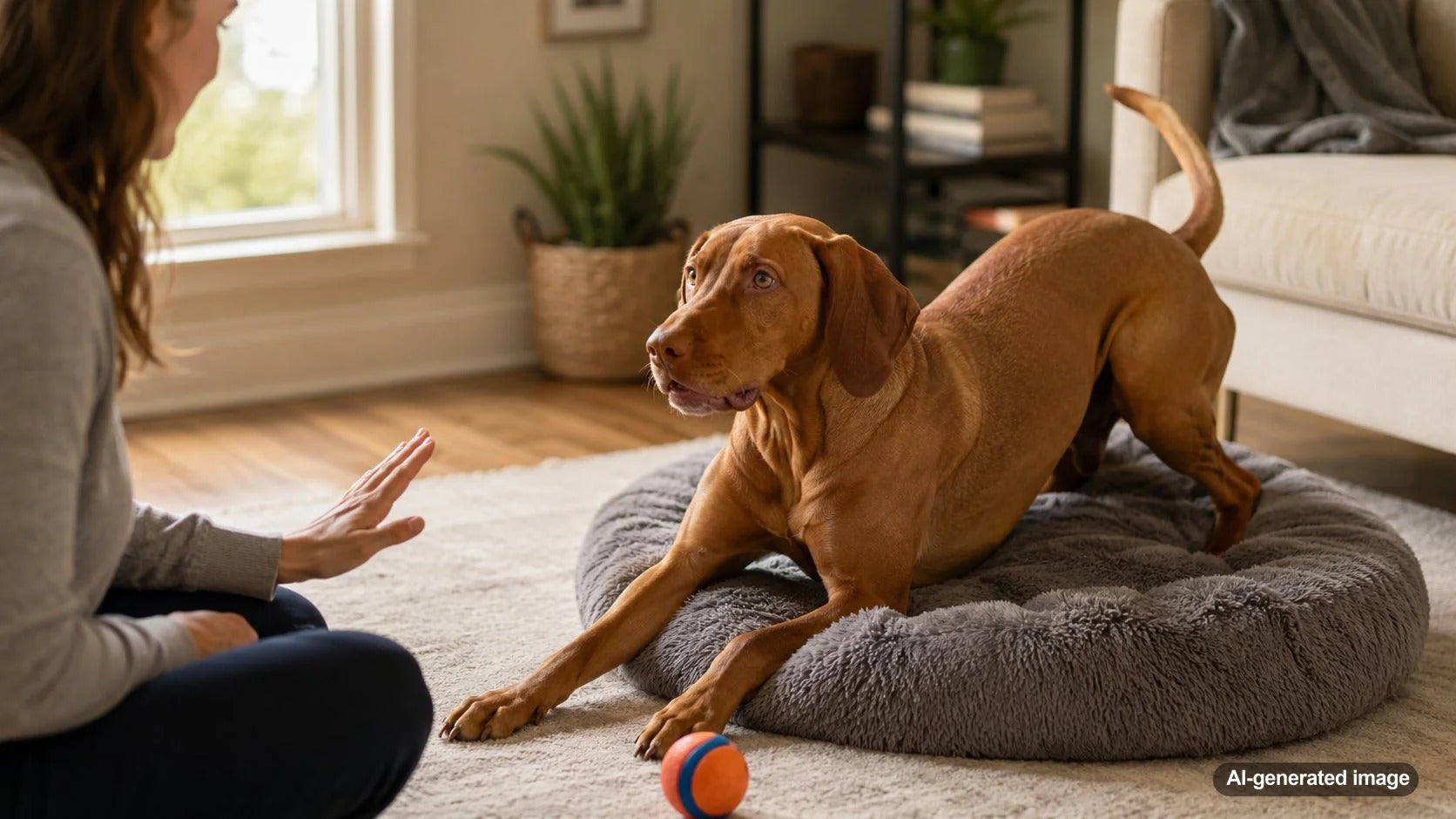
Some dogs finish a game of fetch, look around the room, and decide the party is absolutely not over. They pace, mouth hands, bark at the toy basket, leap onto the couch, or start zooming even though everyone else is ready for quiet time. Breeds That Often Need Help Switching From Play to Rest are usually not being stubborn or naughty. Many are smart, athletic, job-driven dogs who need a clear off-ramp from excitement into calm.
That transition matters because more exercise is not always the answer. A dog who is already revved up may become even more activated by another round of chase, tug, or wrestling. For many pups, the missing piece is a predictable cool-down routine that tells their body and brain, "We are done working, now we settle."
Why Some Breeds Have a Harder Time Turning It Off
Many of the dogs who struggle to settle were bred to move, think, chase, retrieve, guard, herd, or solve problems for long stretches of time. Their brains are quick to notice movement, sound, and patterns. Their bodies may be ready for another task before the first one is finished.
That can look adorable at first. Your dog brings the ball back again and again, then drops it in your lap while staring like a tiny coach. But the same intensity that makes a dog fun, trainable, and enthusiastic can also make downtime confusing.
Breeds That Often Need Help Switching From Play to Rest
Breed is not destiny, and every dog is an individual. Still, certain breed groups are more likely to need intentional settle routines because of the jobs they were originally bred to do.
| Breed group | Common examples | Why the switch can be hard |
|---|---|---|
| Herding dogs | Border Collies, Australian Shepherds, Australian Cattle Dogs, Corgis, German Shepherds | They are alert, movement-sensitive, and often wired to control action around them. |
| Sporting dogs | Labrador Retrievers, Golden Retrievers, Spaniels, Pointers | They may love repetitive games and stay hopeful for one more throw, swim, or snack. |
| Terriers | Jack Russell Terriers, Rat Terriers, Fox Terriers | They are often bold, quick, persistent, and easily excited by motion and sound. |
| Working and sledding breeds | Boxers, Huskies, Dobermans, Belgian Malinois | They may have stamina, drive, and strong opinions about when the activity is truly over. |
What Overarousal Looks Like After Play
A dog who needs help switching gears may not simply lie down when the toy goes away. You might see jumping, barking, demand whining, grabbing sleeves, nipping during tug, stealing household items, spinning, pacing, or bringing toys back again and again.
One common misunderstanding is assuming the dog is still full of energy. Sometimes that is true. Other times the dog is overtired, overstimulated, thirsty, hungry, uncomfortable, or unsure how to stop. Puppies in particular can act wilder when they need rest, not when they need more action.
Build a Simple Play-to-Rest Routine
The best routine is boring in the nicest way. It should feel predictable, repeatable, and easy to use on a Tuesday night when your dog is buzzing and you are tired.
- End the game with the same cue every time, such as "all done."
- Trade the toy for a small treat so the ending feels clear and positive.
- Offer water and a potty break if needed.
- Move to a lower-stimulation spot away from windows, guests, and toy bins.
- Give your dog a calm activity that encourages licking, sniffing, or gentle chewing.
- Reward soft body language, a relaxed hip, a sigh, or choosing to lie down.
Licking can be useful because it gives many dogs something repetitive and focused to do while their arousal level drops. A tool like FlipMat can fit naturally here because it works as a lick mat and slow feeder, turning the end of play into a calmer enrichment moment instead of an abrupt stop.
Match the Cool-Down to Your Dog
A Border Collie who has been chasing a disc may need a short sniff walk before settling. A Lab who lives for food may do well with a slow licking activity. A terrier may need a simple scatter of treats on a rug to shift from visual chase mode into nose work. A power chewer may settle faster with a safe, supervised chew in a quiet space.
For dogs who love longer-lasting treat play, The Pupsicle can be part of a post-play routine because it gives them a focused job without asking them to sprint, jump, or wrestle. Use it as one part of the rhythm: play, potty or water, calm enrichment, then rest.
Common Mistakes That Keep Dogs Revved Up
The biggest mistake is ending intense play with sudden stillness and expecting the dog to understand. Imagine slamming the brakes after highway driving. Many dogs need a gradual downshift.
Another mistake is using more exciting play to fix excitement. If your dog is already frantic, another twenty throws may build endurance rather than calm. Shorter play sessions with breaks, sniffing, training rewards, and calm endings often work better.
When to Ask for Help
Check with your veterinarian if your dog suddenly cannot settle, seems painful, pants excessively at rest, has appetite changes, limps, drools more than usual, vomits, has diarrhea, or shows major behavior changes. A qualified trainer or veterinary behavior professional can also help if your dog regularly becomes hard to handle, guards toys, bites during play, panics when activity ends, or cannot relax even with a consistent routine.
Dog Parent FAQs
Are high-energy breeds harder to calm down?
Some can be, especially if they have not practiced settling after exciting activities. High energy does not mean a dog should be active all day. It means they need the right mix of movement, mental work, and rest.
Should I exercise my dog more if they will not settle?
Maybe, but not always. If your dog is under-exercised, more appropriate activity may help. If your dog is overstimulated or overtired, a calmer routine with licking, sniffing, chewing, and quiet time may work better.
Can puppies learn to switch from play to rest?
Yes. Puppies often need help because they have limited impulse control and may act wild when tired. Short play sessions, predictable naps, and calm enrichment can help them learn the pattern.
What is the best way to end fetch or tug?
Use a consistent cue, trade for a treat, put the toy away, and move into a calmer activity. Over time, your dog can learn that play ending does not mean the fun is gone. It means the next part of the routine is quieter.
The Bottom Line on Play, Rest, and Happy Dogs
Dogs who need help switching from play to rest are often the same dogs we adore for their enthusiasm, intelligence, and big personalities. The goal is not to flatten that spark. The goal is to give it structure so your dog can enjoy play, then recover comfortably.
With a clear ending cue, a gentle cool-down, and calming enrichment that fits your dog's needs, busy breeds can learn that rest is not a punishment. It is part of the good life.


