Some dogs seem happiest in the middle of the party, while others light up when the room gets quiet and their favorite person settles in nearby. Breeds That Often Enjoy Calm One-on-One Attention can be wonderful companions for people who value slower moments, gentle affection, relaxed training sessions, and peaceful enrichment at home. Breed tendencies are only part of the picture, though, because every dog has an individual personality shaped by genetics, age, socialization, health, environment, and experience.
Calm attention does not have to mean sitting perfectly still for hours. For many dogs, it can look like a relaxed grooming session, a quiet sniff walk, five minutes of reward-based training, a gentle massage, or settling beside you with an enrichment activity. Paying attention to what your dog chooses can tell you much more than a breed label alone.
Cavalier King Charles Spaniel
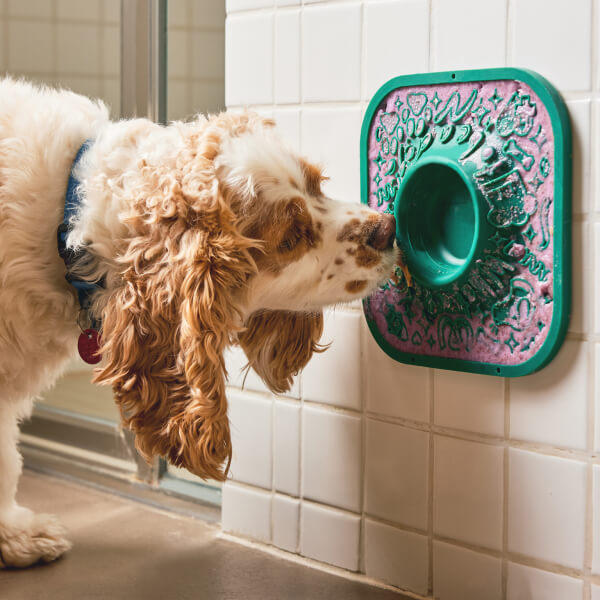
Cavalier King Charles Spaniels are well known for being affectionate, gentle, adaptable companion dogs that tend to form close bonds with their people. They can enjoy activity and play, but many are equally pleased to curl up beside someone after their needs have been met. That combination can make quiet brushing, gentle training, or relaxed enrichment feel especially natural for this breed. :contentReference[oaicite:0]{index=0}
Because Cavaliers are socially oriented, calm attention should complement rather than replace exercise, exploration, and opportunities to build confidence. A dog that follows you from room to room may enjoy closeness, but it is also useful to teach comfortable independent settling.
Shih Tzu
Shih Tzus were developed as companion dogs, and many enjoy being close to their humans. Their smaller size also makes lap time, gentle grooming, and quiet indoor activities easy to incorporate into everyday life. Positive, reward-based interaction tends to suit their people-focused nature particularly well. :contentReference[oaicite:1]{index=1}
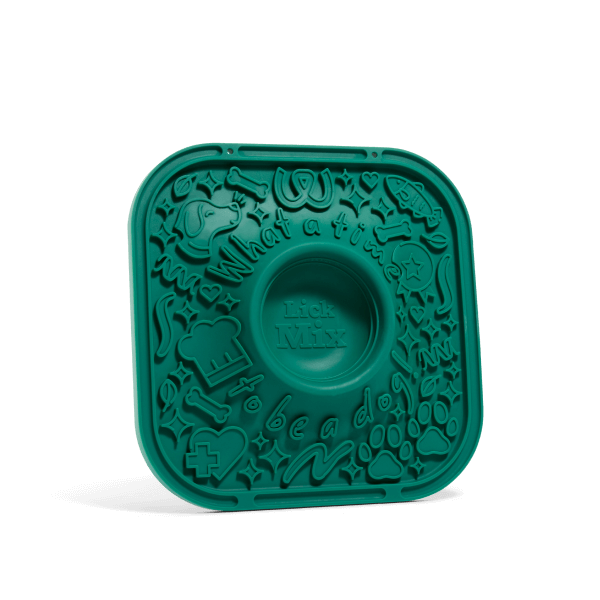
A calm enrichment session can be a nice option between walks. Spreading a dog-appropriate treat on The LickMat, for example, gives your dog something engaging to do while you sit nearby. The goal is not to demand stillness but to create a low-pressure routine your dog can choose to enjoy.
Greyhound
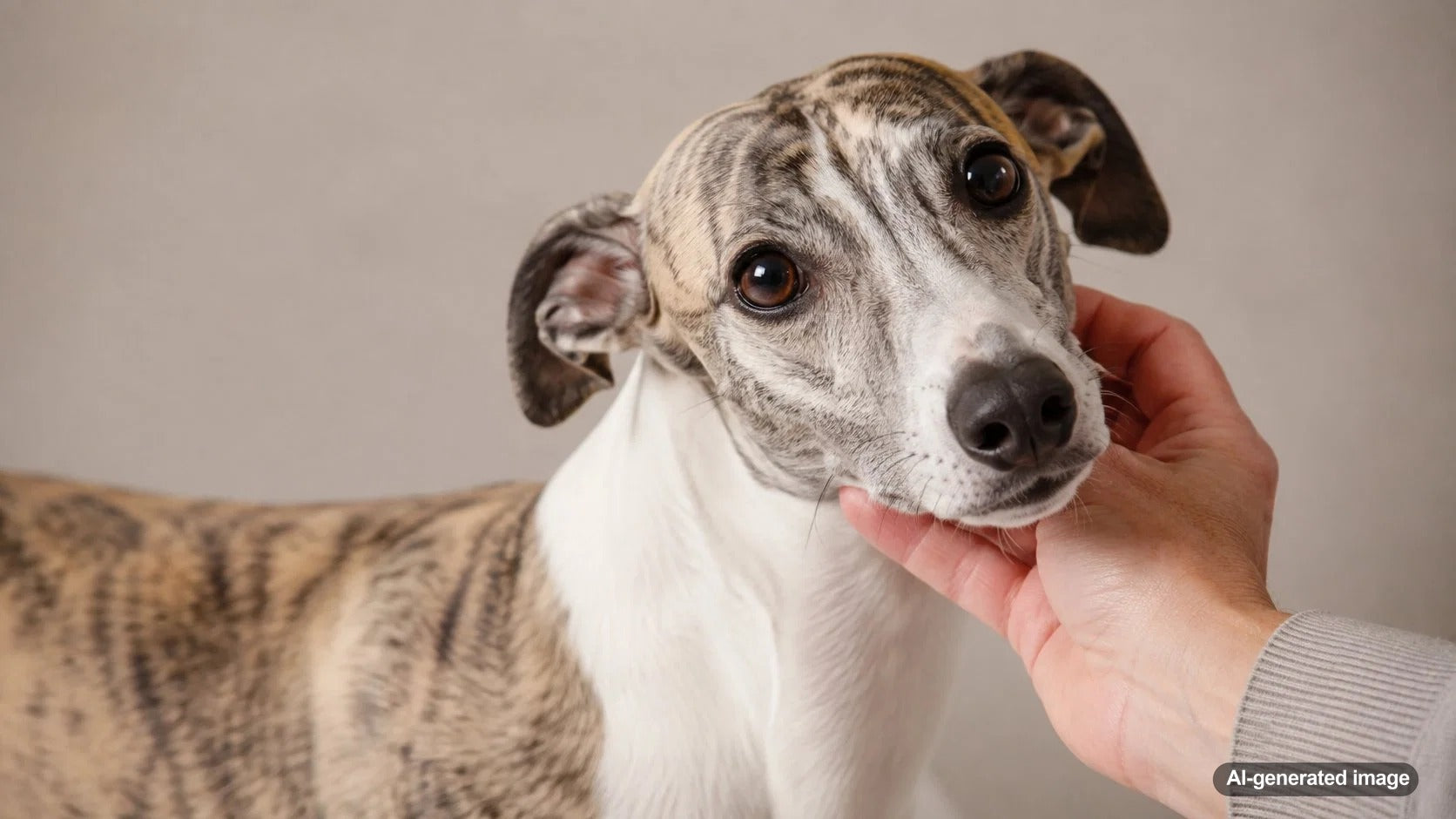
The athletic reputation of the Greyhound can surprise people who discover how much downtime many Greyhounds enjoy at home. The breed is generally described as gentle and sweet-tempered, with an independent and sensitive side. After appropriate exercise, many Greyhounds are perfectly happy resting near their family rather than demanding nonstop entertainment. :contentReference[oaicite:2]{index=2}
For a Greyhound, one-on-one attention may be less about constant cuddling and more about simply sharing space. Watch body language carefully. A loose posture, soft eyes, and choosing to remain nearby usually tell you more than whether your dog climbs into your lap.
Maltese and Havanese
Maltese are playful, adaptable companion dogs with a long history of living closely with people, while Havanese are known for being social, affectionate companions. Both breeds can enjoy interactive attention, especially when quiet time still includes a little mental engagement. :contentReference[oaicite:3]{index=3}
Try short training games that reward simple behaviors such as touching your hand, settling on a mat, or making eye contact. Tiny rewards keep the activity engaging without turning a peaceful moment into an overexcited training marathon.
Basset Hound
Basset Hounds are often described as low-key and mild at home, although their powerful noses and independent hound instincts can make outdoor adventures a very different story. A Basset who has had time to sniff and explore may be quite content to settle near you afterward. :contentReference[oaicite:4]{index=4}
That distinction matters: calm does not mean a dog has no enrichment needs. Scent-driven breeds may benefit tremendously from leisurely sniff walks before you expect them to relax indoors.
Newfoundland and Great Dane
Large dogs are not automatically high-energy dogs. Newfoundlands are known for a sweet, patient, devoted temperament, while Great Danes are typically described as friendly and dependable companions. Their physical size changes how you plan quiet time, however. A giant dog leaning against your legs or stretching across the couch can turn peaceful bonding into a full-body experience. :contentReference[oaicite:5]{index=5}
Comfort matters especially for large and senior dogs. Give them supportive places to rest, avoid forcing awkward positions, and allow them to move away whenever they want. If a dog suddenly becomes reluctant to lie down, be touched, climb stairs, or participate in familiar routines, ask your veterinarian about the change.
How to Create Better One-on-One Time
Start by letting your dog help choose the activity. Some dogs want petting. Others would rather lie three feet away while working on a food toy. A dog who turns away, repeatedly gets up, stiffens, licks their lips, or avoids your hands may be asking for more space rather than more affection.
Keep sessions short at first. Five relaxed minutes can be more valuable than half an hour of attention your dog is merely tolerating. You can rotate between brushing, easy training, sniffing games, gentle play, or a quiet enrichment activity such as The Pupsicle. Giving your dog something enjoyable to lick while you relax nearby can turn ordinary downtime into a repeatable bonding ritual.
Remember That Breed Is Only a Starting Point
Two dogs of the same breed can have completely different ideas about quality time. Puppies may crave interaction but struggle to settle. Adolescents may prefer play and exploration. Senior dogs may seek longer periods of quiet companionship, although changes in hearing, vision, mobility, or comfort can also affect how they interact.
The best approach is to notice what makes your individual dog soften and settle. When your dog voluntarily stays close, returns for more interaction, and looks comfortable throughout the experience, you have probably found a version of one-on-one time that feels good to both of you.
Dog Parent FAQs
Are calm dog breeds always cuddly?
No. A dog can be calm without enjoying prolonged physical contact. Some dogs prefer resting nearby rather than being held or constantly petted.
Can energetic dogs enjoy quiet one-on-one attention?
Absolutely. Active dogs often enjoy calm bonding after appropriate exercise, play, training, and opportunities to sniff and explore.
How can I tell if my dog enjoys being petted?
Look for relaxed muscles, soft facial expressions, leaning toward you, or voluntarily returning after you briefly stop. Moving away, stiffening, or repeatedly avoiding contact can mean your dog wants a break.
What is a good calm activity to do with my dog?
Try gentle grooming, reward-based training, a relaxed sniff session, quiet enrichment, or simply sitting together while your dog rests or works on a favorite activity.
The Bottom Line
Breeds with companion-oriented, gentle, or easygoing tendencies may be especially likely to appreciate peaceful time with their favorite people, but your dog's individual preferences should always lead the way. Build calm attention around choice, comfort, enrichment, and realistic expectations, and those ordinary quiet moments can become some of the most meaningful parts of life together.