






































































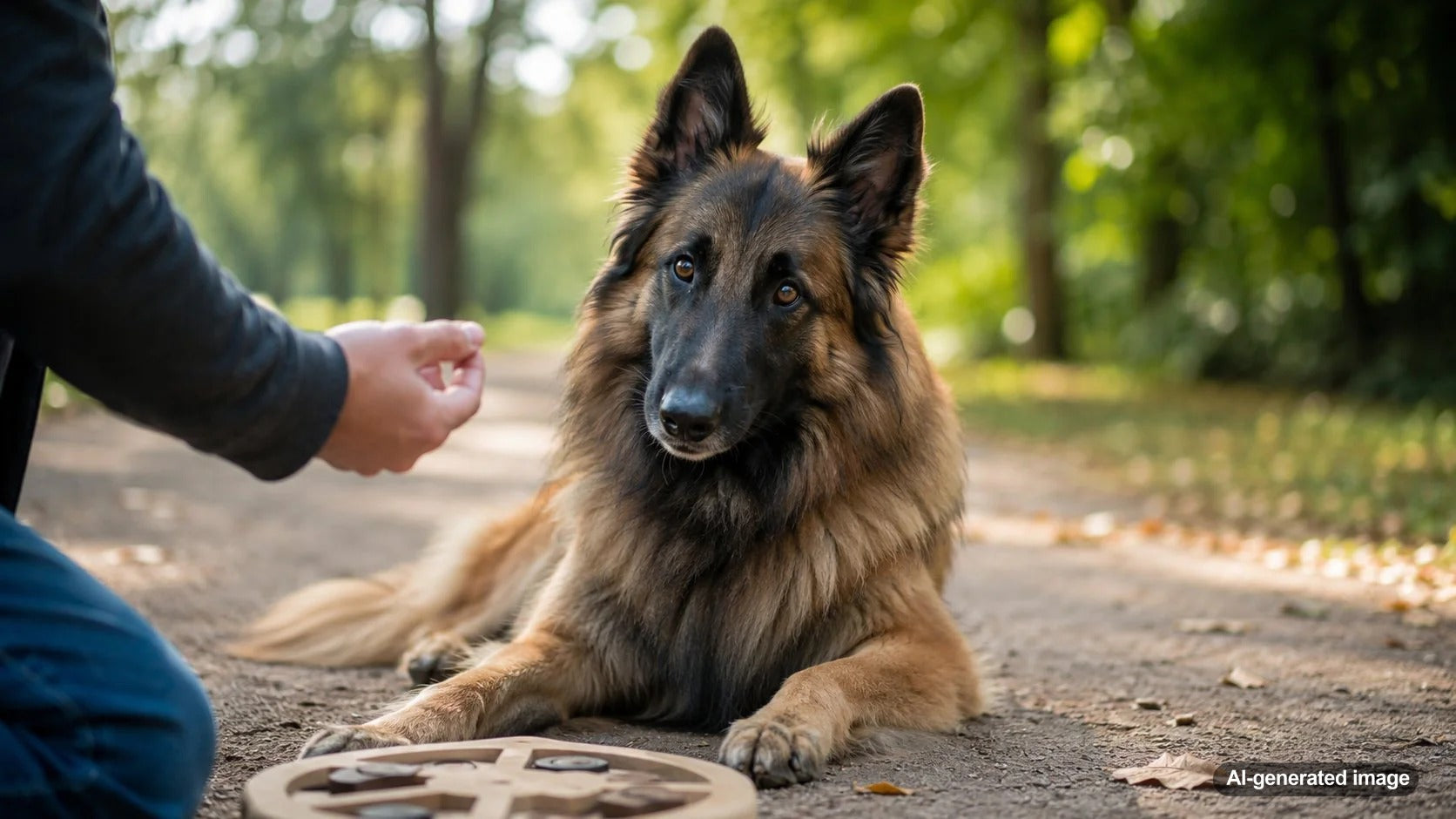
Some dogs come home from a long walk, drink a little water, and settle right into nap mode. Others come home from that same walk and immediately start searching for a job, a snack puzzle, a shoe to investigate, or a human to stare at with great intensity. Breeds That Need More Thinking Time Than Running Time are often not under-exercised in the way people assume; they are under-challenged. For these dogs, the magic is not always more miles. It is more problem solving, more sniffing, more training games, and more structured enrichment.
If your dog seems physically tired but still mentally restless, you are not alone. Many working, herding, sporting, and clever companion breeds were developed to make decisions, follow patterns, solve problems, track scents, or work closely with people. When their day is all movement and no thinking, they may look busy on the outside but unsatisfied on the inside.
Quick answer: Breeds that often need more thinking time than running time include Border Collies, Australian Shepherds, Poodles, Shetland Sheepdogs, German Shepherds, Belgian Malinois, Corgis, Jack Russell Terriers, Miniature Schnauzers, and many mixed-breed dogs with working or high-drive traits. They still need exercise, but they usually do best when movement is paired with mental work.
Why some breeds need brain work before more cardio
A common dog-parent mistake is trying to outrun boredom. The dog barks, paces, chews the corner of the rug, or keeps dropping a toy in your lap, so the answer seems obvious: longer walks. Sometimes that helps. But for brainy breeds, more running can build stamina without teaching the dog how to relax.
Think of mental enrichment as the part of the day that lets your dog use the skills built into their DNA. Herding breeds like Border Collies and Australian Shepherds often love patterns, cues, movement control, and problem solving. Sporting breeds may enjoy scent work, retrieving games, and search tasks. Terriers may need safe outlets for digging, hunting-style games, and puzzle play. Poodles and Schnauzers often thrive on learning routines, tricks, and interactive challenges.
The goal is not to create a full-time job for your dog. It is to sprinkle short, satisfying thinking sessions into normal life so your dog has a better chance of feeling fulfilled.
Breeds that often crave more thinking time
Every dog is an individual, and breed is only one clue. Age, health, training history, confidence, and daily routine all matter. Still, these groups are commonly happiest when their brains get a regular workout:
| Breed or type | What they often enjoy | What boredom can look like |
|---|---|---|
| Border Collies and Australian Shepherds | Training games, herding-style impulse control, scent searches, puzzle feeding | Staring, barking, chasing movement, inventing jobs |
| Poodles and Shetland Sheepdogs | Tricks, pattern games, food puzzles, learning new cues | Restlessness, attention-seeking, vocalizing, shadowing people |
| German Shepherds and Belgian Malinois | Obedience games, nose work, structured tasks, calm-place training | Pacing, over-alertness, chewing, difficulty settling |
| Corgis, Jack Russell Terriers, and Schnauzers | Foraging, tug rules, hide-and-seek, digging boxes, problem solving | Demand barking, digging, stealing items, intense play requests |
Mixed-breed dogs can belong here too. If your dog learns fast, notices every routine, finds loopholes in your rules, or gets into trouble when the house is quiet, they may be asking for more thinking time.
Signs your dog may need mental enrichment, not just exercise
A dog who needs more brain work may not look lazy. They may look like they have endless energy. Common signs include chewing household items after exercise, barking at tiny changes outside, following you from room to room, begging for constant play, rushing through meals, or getting wound up at predictable times of day.
Another clue is the post-walk zoom. If your dog comes back from a physically active outing and immediately needs something else to do, try ending the walk with a sniffy cool-down or a five-minute food puzzle instead of adding another loop around the block.
Try this first: For one week, swap 10 minutes of extra running for 10 minutes of thinking. Hide a few treats around one room, practice three easy cues in a row, use a slow feeder, or offer a supervised licking activity. Watch whether your dog settles faster afterward.
Simple thinking-time routines for busy dog parents
Mental stimulation does not need to be complicated. In fact, simple routines are easier to repeat, and repeatable routines are what help dogs most. Start with one or two small moments each day.
At breakfast, turn part of the meal into a search game by scattering kibble in a safe area or using a puzzle feeder. Before a walk, ask for a few calm cues like sit, touch, or look at me so your dog starts the outing with focus. After the walk, offer a licking or chewing activity to help shift from excitement into rest. In the evening, teach one tiny trick, such as placing paws on a mat or finding a toy by name.
For dogs who love licking and slow feeding, the FlipMat can be a helpful routine tool because it combines lick mat enrichment with a slow-feeder challenge. For dogs who do best with longer-lasting treat play, The Pupsicle can turn snack time into a more engaging activity instead of a quick gulp-and-done moment.
Do not skip the off-switch
Smart dogs do not only need jobs. They also need help learning when the job is over. This is especially important for intense breeds that can keep asking for more even when their body is tired.
Build a predictable ending into enrichment time. Pick up the toy when the activity is done, use a calm phrase like all done, and guide your dog to a bed, crate, or quiet spot with water nearby. Puppies may need shorter sessions and more naps. Seniors may still love problem solving, but they may prefer easier puzzles, softer treats, and shorter sessions. If your dog suddenly cannot settle, seems painful, shows appetite changes, or has a major behavior shift, check with your veterinarian or a qualified trainer.
How much thinking time is enough?
Many dogs do well with two or three short brain sessions per day. For a high-drive dog, that might mean five minutes of training in the morning, a slow-feeding activity at lunch, and a scent game after dinner. The best measure is your dog, not the clock. A good session should leave them satisfied, not frantic or frustrated.
Make the challenge easy enough that your dog can win. If they bark at the puzzle, paw at it wildly, or walk away, simplify it. Scatter treats more visibly, use a lower-difficulty feeder, or help them understand the game. Confidence matters as much as difficulty.
Bottom line: A tired dog is not always a fulfilled dog. For many bright breeds, the happiest daily routine blends movement, sniffing, chewing, licking, training, and rest.
Dog Parent FAQs
Can mental stimulation replace walks?
No. Most dogs still need daily movement, bathroom breaks, sniffing, and fresh air. Mental enrichment works best as a partner to exercise, not a replacement.
What is the easiest brain game to start with?
Try a treat scatter in one room. Let your dog sniff out a few pieces of food on the floor or in easy hiding spots. It is simple, low-pressure, and uses their nose.
Can too much enrichment make my dog more demanding?
It can if every request gets rewarded with another activity. Keep sessions short, end them calmly, and teach your dog that rest is part of the routine.
Are puzzle toys good for puppies?
Yes, when they are age-appropriate and supervised. Choose easy challenges, avoid tiny pieces, and keep sessions short so your puppy feels successful.


