Some dogs seem to come with a built-in on switch and a missing off switch. They can run, chase, sniff, bark, herd the family, patrol the windows, and still look at you like the evening has barely begun. Breeds That May Need Extra Help Learning to Relax are not bad dogs or impossible dogs. Many are smart, sensitive, athletic, deeply bonded dogs who simply need support learning that calm is a skill, not something every pup automatically knows how to do.
Breed can influence energy, alertness, and drive, but it does not write your dog's whole personality. A Border Collie can become a couch snuggler after a thoughtful routine, and a laid-back breed can still struggle with stress. The key is building repeatable calm moments into the day before excitement turns into barking, pacing, or chewing the wrong things.
Why Some Breeds Struggle to Settle
Many busy dogs were bred to notice movement, solve problems, work with people, or make fast decisions. At home, that can look like window watching, shadow chasing, ankle nipping, toy obsession, constant sniffing, or following you from room to room waiting for the next job.
Owners often misunderstand this as a need for endless exercise. Exercise matters, but more miles do not always create more calm. Some dogs get physically tired but mentally wired, especially after high-adrenaline games like repeated fetch, rough play, or chaotic dog park time. Relaxation usually improves when dogs get the right balance: movement, sniffing, problem solving, chewing, licking, sleep, and clear cues about when the day is done.
Breeds That May Need Extra Help Learning to Relax
These breed groups are not guaranteed to be restless, and plenty of individual dogs are naturally mellow. Still, they commonly need intentional settle routines because of their energy, intelligence, sensitivity, or work drive.
Herding breeds
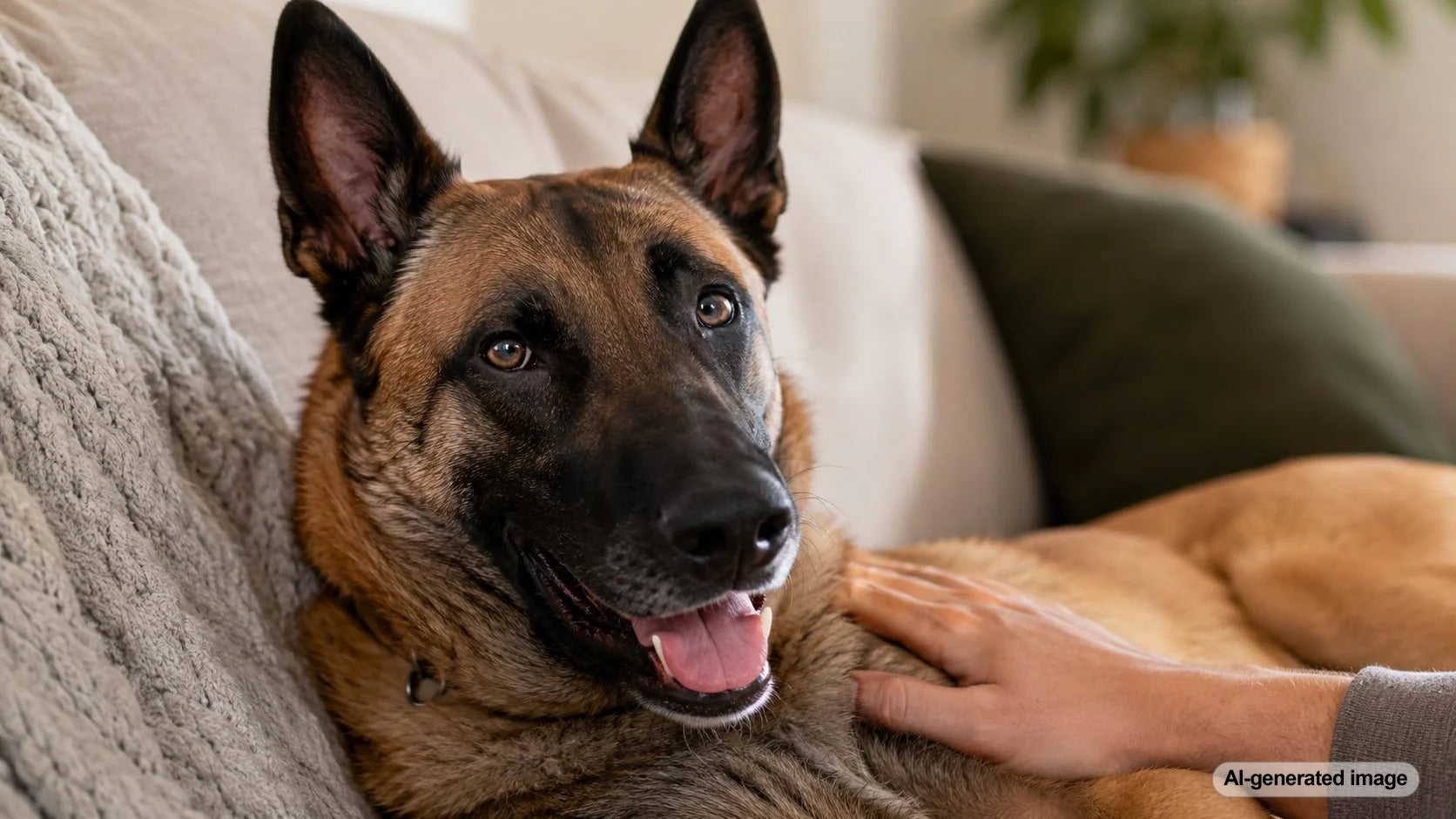
Border Collies, Australian Shepherds, Corgis, Shetland Sheepdogs, Belgian Malinois, and German Shepherds may scan their environment constantly. In real life, that can look like stalking the cat, barking at scooters, circling children, or getting frustrated when the household is busy. These dogs often do best with structured training, scent games, puzzle feeding, and a calm place to decompress after activity.
Sporting and hunting breeds
Labrador Retrievers, Golden Retrievers, German Shorthaired Pointers, Vizslas, Brittanys, and Spaniels often love movement, people, smells, and games. They may struggle when they are expected to go from full-speed fun to instant couch time. A sniffy walk, then a licking activity, then a nap can help bridge that gap.
Working breeds
Boxers, Doberman Pinschers, Siberian Huskies, Rottweilers, Great Pyrenees, and other working dogs may be strong, alert, and persistent. Some need a job, while others need help feeling safe enough to stop monitoring the world. For these dogs, relaxation routines should be consistent and calm, not another exciting challenge.
Terriers and small busy breeds
Jack Russell Terriers, Miniature Schnauzers, Yorkies, Dachshunds, and other small-but-mighty dogs can be intense, vocal, and quick to react. Their size sometimes causes people to underestimate their enrichment needs. A small dog can still need scent work, chewing, lick time, and training games to settle well.
What Extra Help Actually Looks Like
Helping a dog relax does not mean ignoring their needs or expecting them to be still all day. It means teaching their body and brain what to do after excitement. A good starting routine might be a walk with plenty of sniffing, a short training session, water, a potty break, and then a calming enrichment activity in the same cozy spot each day.
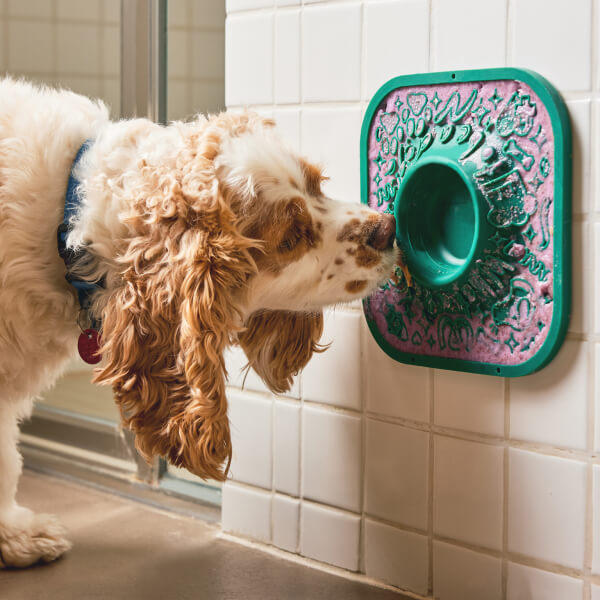
Licking can be especially useful because it gives dogs a focused, repetitive activity. A tool like The LickMat can support a post-walk or pre-nap routine by slowing treat time down and giving your dog something soothing to work on while the house gets quiet. For dogs who need a longer distraction, The Pupsicle can turn treat time into engaging, long-lasting enrichment that fits naturally into a settle routine.
Common Mistakes That Keep Dogs Wired
One common mistake is rewarding the loudest behavior without meaning to. If a dog barks, paws, or drops a toy in your lap and immediately gets attention, they learn that ramping up works. Instead, notice tiny calm choices: lying down, taking a breath, looking away from the window, or choosing a chew instead of your sleeve.
Another mistake is skipping rest because a dog seems energetic. Puppies and adolescent dogs can act wild when they are overtired, just like kids who missed a nap. Senior dogs may also seem restless if they are uncomfortable, confused, or struggling with hearing, vision, or mobility. If restlessness is sudden, intense, paired with appetite changes, vomiting, diarrhea, limping, excessive panting, destructive panic, or other major changes, ask your veterinarian or a qualified behavior professional for guidance.
- Pacing after exercise instead of settling
- Barking at every sound or movement
- Demanding play when the household is quiet
- Chewing furniture, shoes, blankets, or hands
- Following you constantly and struggling to rest alone
- Getting more frantic after high-energy games
A Simple Calm Routine to Try First
Choose one time of day when your dog is usually a little too busy, such as after dinner or after an evening walk. Give them a predictable wind-down sequence that lasts 10 to 20 minutes. Keep your voice soft, your movements boring, and the environment simple.
For a power chewer, a safe supervised chew may be the best first step. For a food-motivated dog, a licking or slow-feeding activity may work better. For a highly alert herding dog, begin with sniffing outside before coming in, because sniffing can help shift them out of motion-chasing mode. The first win may be 30 seconds of lying down. Reward that. Over time, calm becomes familiar, and familiar is easier to repeat.
Dog Parent FAQs
Can high-energy dogs really learn to relax?
Yes. Many high-energy dogs can learn to settle with the right mix of exercise, enrichment, sleep, and positive reinforcement. Some need more practice than others, especially during adolescence.
Should I exercise my dog more if they will not calm down?
Sometimes, but not always. If your dog is physically tired but still frantic, add mental enrichment, sniffing, licking, chewing, and quieter routines instead of only increasing intense exercise.
Is my dog's breed the reason they are anxious?
Breed can play a role, but it is only one factor. Early experiences, health, training, environment, age, and daily routine all matter. If anxiety seems severe or sudden, talk with your veterinarian or a qualified trainer.
When should I ask for professional help?
Get help if your dog panics when alone, injures themselves, cannot rest, shows sudden behavior changes, or seems fearful in daily life. A veterinarian, certified trainer, or veterinary behaviorist can help you make a safe plan.
The Bottom Line on Busy Breeds and Calm
Some dogs need to be taught that relaxing is allowed. They are not trying to be difficult. They may be bright, sensitive, athletic, social, watchful, or simply young and full of feelings. With clear routines, appropriate outlets, and gentle practice, calm can become part of who they are at home.