








































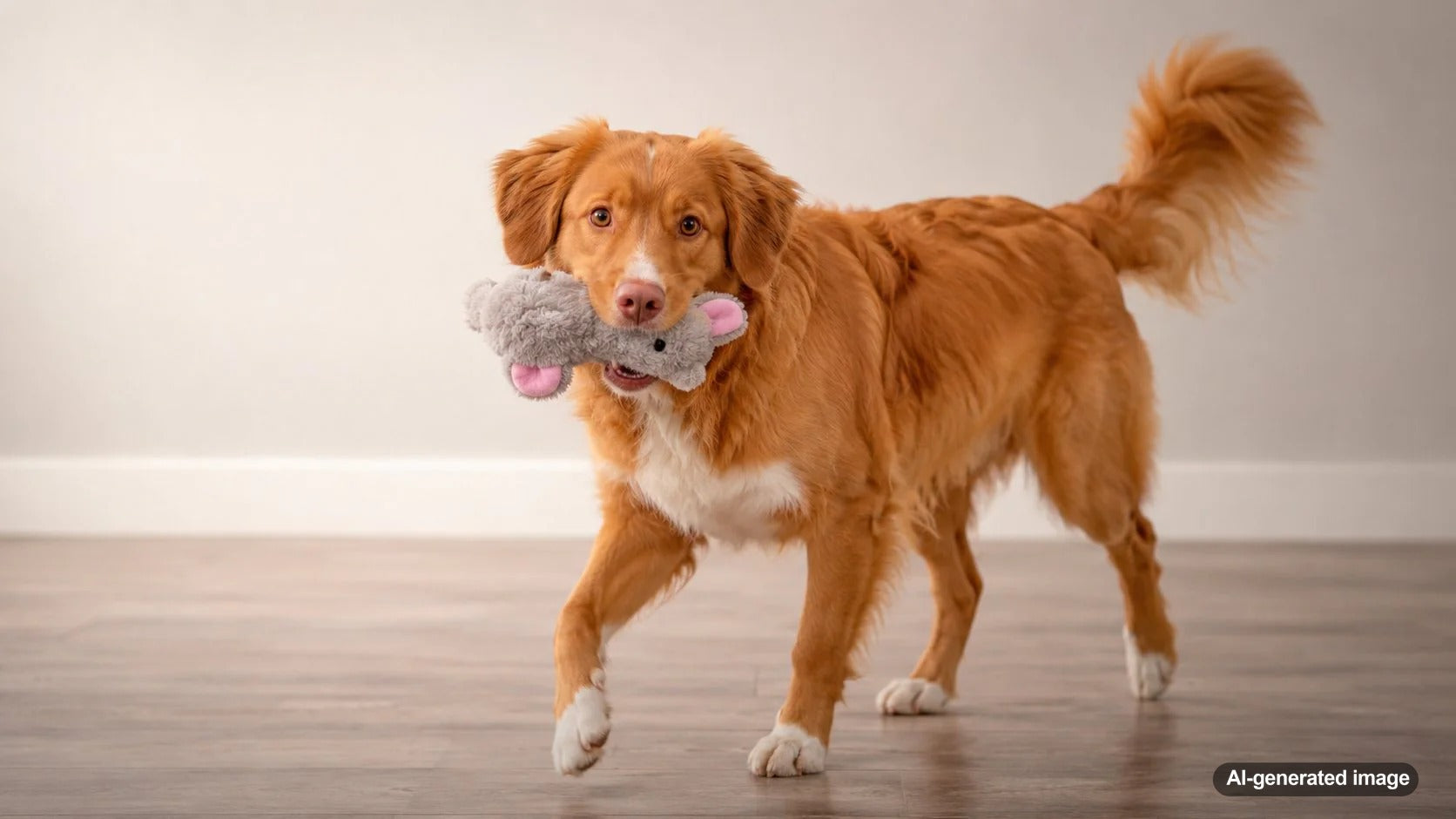
Some dogs walk through the front door with a toy in their mouth like they are bringing you a tiny, slobbery welcome gift. Others trot from room to room with the same stuffed duck, ball, rope, or chew toy as if they have an important job to do. Breeds That Love to Carry Toys Around often come by the habit honestly, especially dogs with retrieving, sporting, working, or herding instincts that make holding and moving objects feel natural.
For many dogs, carrying toys is normal, sweet, and even useful. It can be a greeting behavior, a self-soothing habit, a way to invite play, or simply a favorite routine. The key is understanding what your dog is trying to do with that toy so you can support the behavior safely without accidentally encouraging guarding, chewing unsafe items, or overexcitement.
Quick answer: Breeds most likely to love carrying toys include Golden Retrievers, Labrador Retrievers, Flat-Coated Retrievers, spaniels, poodles, Australian Shepherds, Border Collies, Shetland Sheepdogs, terriers, and some working breeds. Mixed-breed dogs can love carrying toys too, especially if they are playful, people-focused, or naturally mouthy.
Why Some Dogs Love Carrying Toys So Much
Carrying is not just random silliness. For retrievers and many sporting dogs, holding something gently in the mouth is connected to the work they were originally bred to do. These dogs often have a softer mouth, meaning they may naturally hold toys without immediately trying to crush them. That is why so many Golden Retrievers and Labradors seem happiest when greeting you with a plush toy, slipper, or ball.
For herding breeds, carrying can feel like having a task. A Border Collie or Australian Shepherd may not be retrieving a bird, but carrying a toy from the couch to the kitchen can still satisfy that busy, job-seeking brain. Terriers may carry toys differently, often with more shaking, pouncing, or proud little victory laps because their play style is usually more chase-and-catch inspired.
Breeds That Commonly Carry Toys Around
Every dog is an individual, but these breeds are especially known for toy-carrying tendencies:
| Breed group | Common toy-carrying style | What owners may notice |
|---|---|---|
| Retrievers | Gentle carrying, greeting with toys, fetch obsession | They may bring a toy to visitors, nap beside it, or carry it when excited. |
| Spaniels | Soft toy holding and busy indoor wandering | They may love plush toys, squeakers, and light fetch games. |
| Herding breeds | Purposeful carrying and toy organizing | They may move toys into piles, patrol with them, or bring toys when bored. |
| Terriers | High-energy carrying, shaking, and chasing | They may prefer tougher toys and need supervision with soft stuffing. |
| Poodles and doodle mixes | Playful carrying and people-focused toy sharing | They may use toys to ask for attention, games, or training rewards. |
Golden Retrievers and Labrador Retrievers are the classic toy carriers, but Flat-Coated Retrievers, Chesapeake Bay Retrievers, Cocker Spaniels, Springer Spaniels, Standard Poodles, Aussies, Border Collies, Shelties, and many doodle mixes can also be big fans of having something in their mouth. Small dogs can be toy carriers too, especially if the toy is light enough to move comfortably.
What Your Dog Might Be Saying With That Toy
A dog carrying a toy may be saying, "Welcome home," "Play with me," "I am excited," or "This helps me settle." Context matters. If your dog grabs a toy every time you walk in, they may be redirecting excitement into a safer behavior than jumping. If they carry a toy before bed, it may be part of their winding-down routine. If they bring a toy and stare at you, they are probably voting for playtime.
Some dogs also carry toys when they feel uncertain. For example, a dog may grab a favorite plush during a noisy gathering, after a doorbell rings, or when guests arrive. That does not always mean something is wrong. It may simply be their comfort habit. But if carrying is paired with whining, pacing, hiding, appetite changes, guarding, sudden clinginess, or other major behavior shifts, it is worth checking with your veterinarian or a qualified trainer.
How to Choose Toys for Dogs Who Love to Carry
The best carry toy depends on your dog's size, mouth style, and chewing habits. A gentle retriever may enjoy a soft plush or ball, while a power chewer may need something tougher and easier to supervise. Pick toys that are large enough not to be swallowed, comfortable enough to hold, and durable enough for your dog's play style.
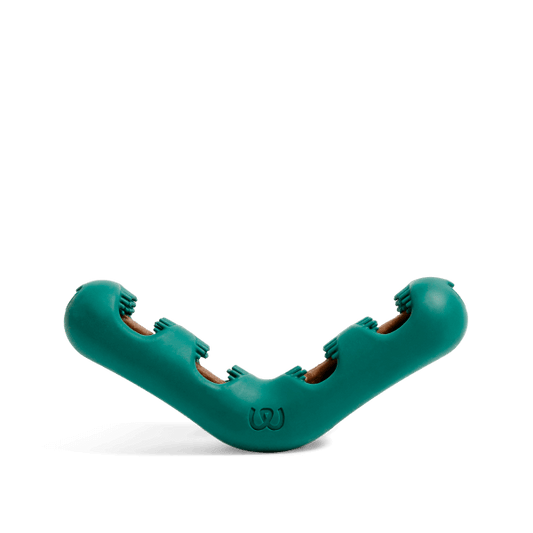
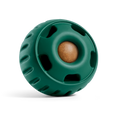
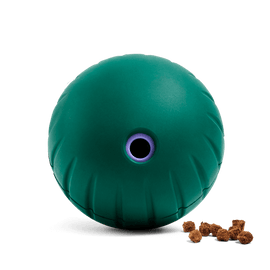
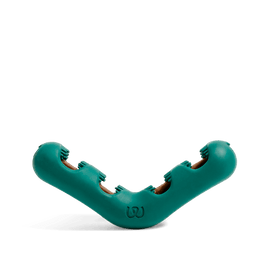
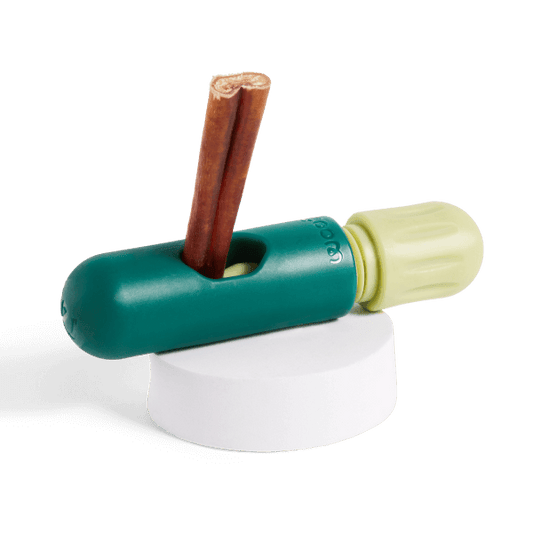
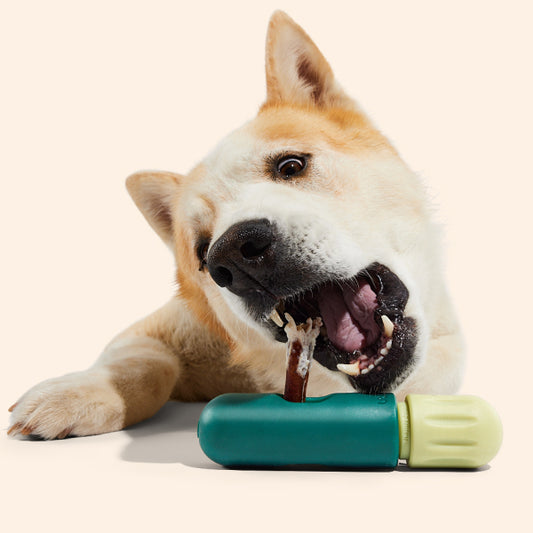
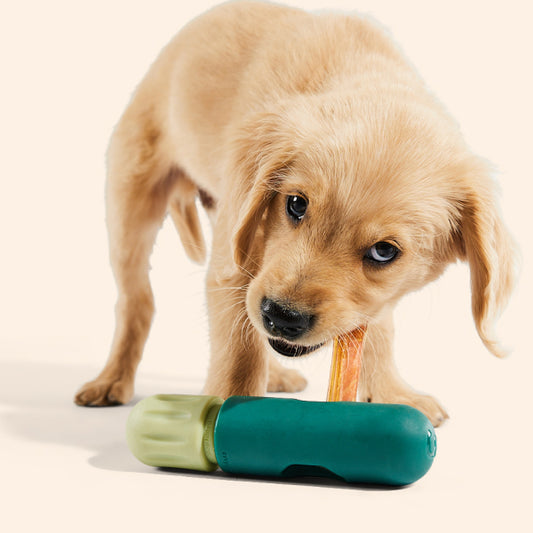
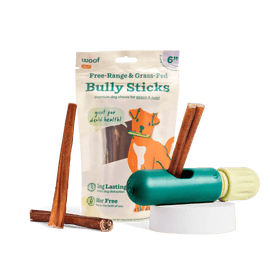
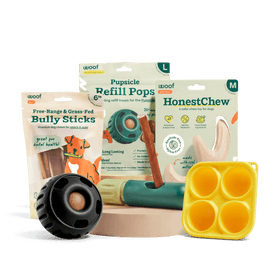
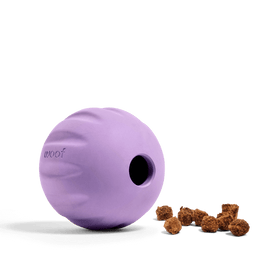
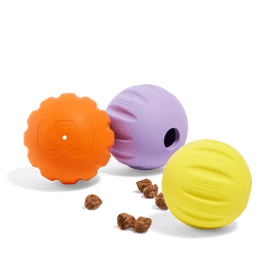
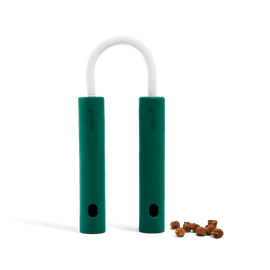
For dogs who like to carry and then settle into focused play, a puzzle-style toy can make the habit more enriching. Nomchucks can turn tug, chewing, and treat-stuffable play into a more engaging brain game. For fetch-loving dogs who want to carry, chase, and work for treats, Flyball offers a durable ball option that also doubles as a treat-dispensing puzzle.
Helpful tip: Rotate a few favorite toys instead of leaving every toy out all day. Toy rotation can make old favorites feel exciting again and may help dogs who get possessive when they have too many high-value items available at once.
When Toy Carrying Becomes Too Much
Most toy carrying is harmless, but there are a few situations to watch. If your dog starts guarding the toy, stiffening when people approach, growling, snapping, or hiding with it, pause the free-for-all access and ask a trainer for help. Do not grab the toy from your dog's mouth as a habit, since that can make some dogs more protective. Practice trades with treats or another toy so giving things up feels safe.
Also pay attention to destructive chewing. A dog who carries a plush gently is different from a dog who immediately shreds, swallows stuffing, or chews pieces off. Dogs who destroy toys need closer supervision and sturdier options. If your dog has swallowed toy pieces, is vomiting, has diarrhea, seems painful, refuses food, or acts unusually tired, contact your veterinarian.
Simple Ways to Channel the Habit
If your dog loves carrying toys, you can use that habit in positive ways. Keep a "hello toy" near the door so your dog has something safe to grab when guests arrive. Teach "bring it" and "drop" using praise and small rewards. Create a toy basket and encourage your dog to put toys away as a simple brain game. For high-energy breeds, pair carrying with structured fetch, tug rules, sniff breaks, and calm licking or chewing time afterward.
Puppies may carry toys because they are teething, exploring, or learning what gets attention. Keep sessions short and redirect them from socks, shoes, and kids' toys to dog-safe options. Senior dogs may still enjoy carrying, but they may prefer lighter toys that are easy on the jaw. If an older dog suddenly stops carrying a beloved toy, seems reluctant to chew, or has bad breath, drooling, or mouth sensitivity, check with your vet to rule out dental discomfort.
Dog Parent FAQs
Is it normal for my dog to always carry a toy?
Yes, it can be completely normal, especially for retrievers, spaniels, herding breeds, and playful mixed-breed dogs. Watch the full body language. Loose, wiggly, relaxed carrying is usually very different from tense guarding or anxious pacing.
Why does my dog bring me a toy but not let me take it?
Some dogs are inviting attention, not necessarily asking you to take the toy. Try offering a trade, starting a game, or teaching a clear "drop" cue with rewards so your dog learns that sharing keeps the fun going.
Should I let my dog sleep with a toy?
Many dogs can safely sleep near a favorite toy, but it depends on the toy and the dog. Avoid leaving destructive chewers alone with toys they can rip apart or swallow.
Why does my dog carry a toy and whine?
Whining can come from excitement, frustration, stress, or other changes. If it is sudden, intense, or paired with nesting, appetite changes, guarding, pacing, or unusual behavior, ask your veterinarian or a qualified professional for guidance.
The Bottom Line on Dogs Who Carry Toys
Toy carrying is one of those habits that can be funny, useful, and deeply endearing all at once. For many breeds, it connects to natural instincts: retrieve, organize, chase, greet, soothe, or show off a prized possession. With the right toy choices, a little training, and smart supervision, you can turn your dog's carry-everywhere habit into a safe, enriching part of daily life.


