






































































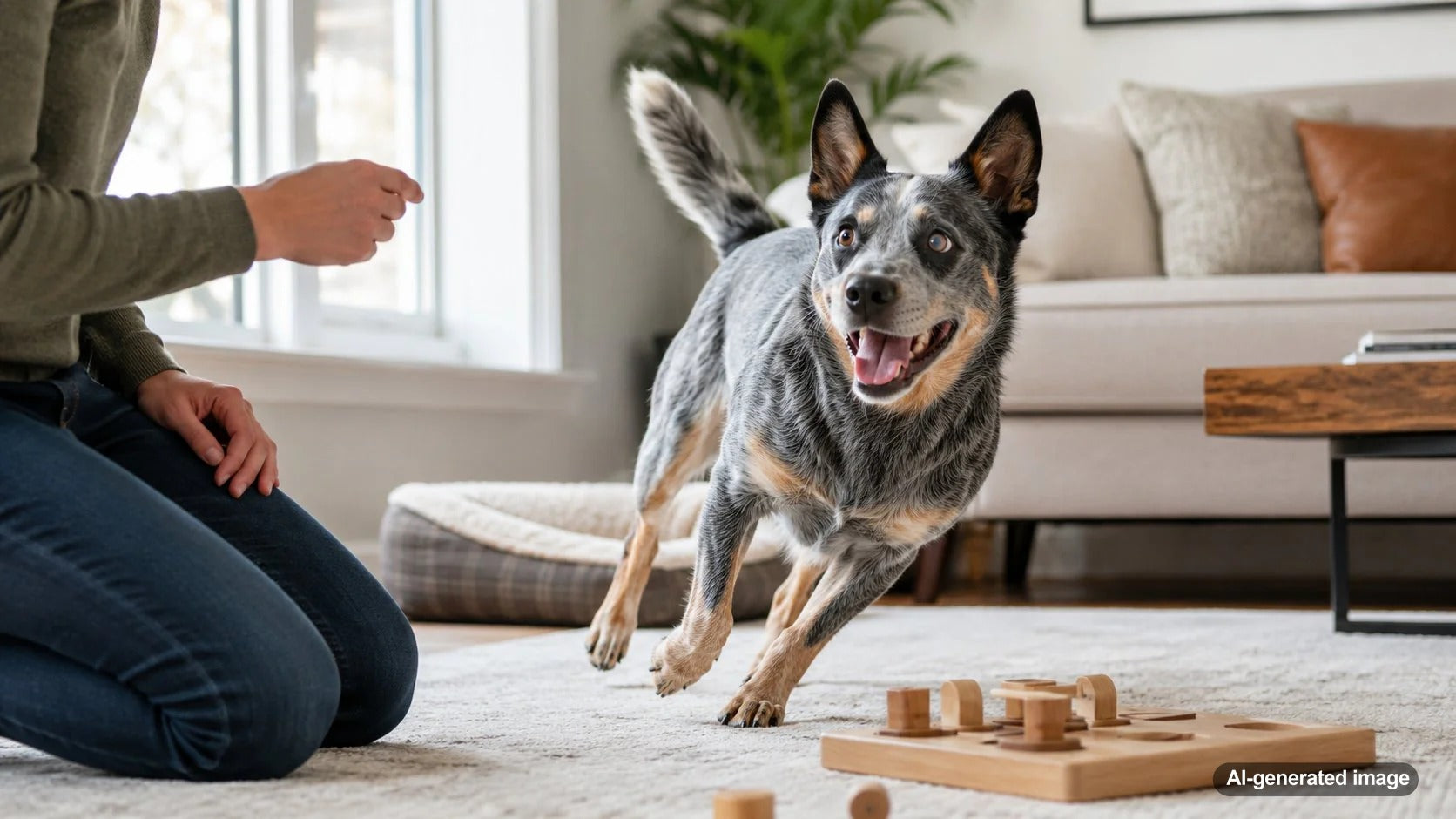
Some dogs are happiest when they know what comes next. They like predictable walks, clear rules, familiar cues, and a daily rhythm they can count on. But here is the twist behind Breeds That Love Structure but Still Need Variety: the same dogs who thrive on consistency can become restless, bossy, noisy, or destructive when every day feels too identical.
Structure gives many dogs confidence. Variety gives their brains something healthy to do with all that intelligence, instinct, and energy. The sweet spot is not a chaotic schedule packed with surprises. It is a dependable routine with small, thoughtful changes that keep your dog engaged without making them feel overwhelmed.
Quick answer: which breeds love structure but still need variety?
Herding breeds, working breeds, sporting breeds, terriers, and many intelligent companion breeds often do best with a clear routine plus rotating enrichment. Think Border Collies, Australian Shepherds, German Shepherds, Belgian Malinois, Poodles, Labrador Retrievers, Golden Retrievers, Corgis, Australian Cattle Dogs, Dobermans, Schnauzers, and Jack Russell Terriers. Individual personality matters too, so watch the dog in front of you, not just the breed label.
Why structure matters so much for driven dogs
Dogs bred for jobs often like patterns because patterns make life understandable. A herding dog may feel calmer when walk time, training time, and rest time happen in a familiar order. A guardian-type dog may settle better when house rules are clear. A retriever may become more focused when reward games follow a predictable start and finish.
Without structure, these dogs may invent their own jobs. That can look like shadow-chasing, counter-surfing, barking at every window sound, pestering other pets, herding children, shredding toys, or demanding constant attention. In many cases, the dog is not trying to be difficult. They are looking for information, purpose, or an outlet.
Why too much sameness can backfire
A steady routine does not mean every enrichment session should look the same. Smart dogs learn quickly. If the only activity is the same walk around the same block at the same pace, your dog may still come home physically tired but mentally unsatisfied.
Variety does not need to be dramatic. Try changing the direction of your walk, practicing two new cues before dinner, using part of breakfast in a puzzle toy, adding a sniff break, or rotating between licking, chewing, fetch, tug, and scent games. Small changes help your dog use different skills while the overall day still feels predictable.
Breeds that often need both routine and fresh challenges
| Breed type | What structure gives them | What variety can add |
|---|---|---|
| Herding breeds like Border Collies, Aussies, Corgis, and cattle dogs | Clear expectations, impulse control, and an outlet for focus | Training games, scent work, slow feeding, agility-style play, and problem solving |
| Working breeds like German Shepherds, Dobermans, Rottweilers, and Malinois | Confidence, boundaries, and a meaningful role in the home | Rotating tasks, tug rules, structured fetch, chew time, and place training |
| Sporting breeds like Labs, Goldens, and Spaniels | Reliable reward routines and calm transitions after excitement | Retrieving games, food puzzles, water-safe activities, and nose-led walks |
| Terriers and clever small breeds | Clear rules around barking, digging, chasing, and chewing | Short training bursts, hide-and-seek treats, shredding-safe outlets, and lick breaks |
How to add variety without creating chaos
The easiest method is to keep the daily anchors steady and rotate the activity inside them. For example, breakfast always happens in the morning, but the format changes. One day it is a slow feeder. Another day it is a training session. Another day it is a puzzle toy or a short sniff game.
This is where enrichment tools can be useful because they make variety repeatable. For dogs who enjoy licking, FlipMat can turn a familiar calm-down routine into a dual-sided challenge with different textures and difficulty levels. For dogs who need longer-lasting treat play after a walk, The Pupsicle can be part of a predictable enrichment window that still feels exciting because flavors, timing, or difficulty can rotate.
Helpful tip: Change one thing at a time. If your dog is sensitive, keep the location and timing familiar while changing only the activity. If your dog is bold and busy, you can rotate toys, cues, textures, and reward types more often.
A simple weekly routine for structure-loving dogs
Monday: Practice three familiar cues before breakfast, then offer a slow-feeding activity.
Tuesday: Take a sniff-focused walk where your dog gets permission to investigate safe smells.
Wednesday: Use a lick or chew routine during your dog's usual settling time.
Thursday: Play a short game of hide-and-seek with treats or kibble around one room.
Friday: Refresh leash manners, recall, or place training for five to ten minutes.
Weekend: Add one bigger adventure, such as a new walking route, a park visit, or a longer play session, followed by quiet recovery time.
Common mistakes dog parents make
One common mistake is adding more and more exercise when the dog actually needs clearer mental work. A high-drive dog can become fitter without becoming calmer if every solution is faster running, harder play, or more excitement. Another mistake is switching the entire routine too suddenly. Dogs who depend on predictability may show stress through pacing, whining, clinginess, digestive changes, or refusing activities they usually enjoy.
It is also easy to confuse boredom with disobedience. A dog who steals socks every evening may be asking for a predictable chewing or puzzle routine before that trouble window starts. A dog who barks during work calls may need a practiced settle cue paired with a safe enrichment activity, not just repeated correction.
When to slow down or ask for help
Adjust the plan if your dog becomes frantic, guards items, gulps treats, chews unsafely, or seems unable to settle after enrichment. Supervise chew and treat activities, choose products that suit your dog's size and chewing style, and remove anything that becomes damaged or unsafe.
If your dog shows sudden behavior changes, appetite changes, vomiting, diarrhea, limping, excessive drooling, mouth pain, swelling, panic, or intense anxiety, check with your veterinarian. For serious fear, reactivity, or aggression, a qualified trainer or veterinary behavior professional can help you build a safer plan.
Dog Parent FAQs
Do routine-loving dogs get bored?
Yes, many do. A routine can make a dog feel secure, but they still need fresh ways to sniff, chew, lick, learn, chase appropriately, solve problems, and rest.
How much variety should I add each day?
Start small. Add one short enrichment change per day, such as a new walking route, a five-minute training game, or a different food puzzle. Increase only if your dog stays relaxed and engaged.
Are herding breeds harder to keep satisfied?
They can be more demanding because many were bred to notice movement, make decisions, and work closely with people. Clear cues, calm routines, and brain games can help channel those instincts.
Can enrichment replace walks?
Usually no. Most dogs still need physical movement, outdoor sniffing, and bathroom breaks. Enrichment works best as part of a balanced routine that includes exercise, rest, training, and connection.
The bottom line
The dogs who love structure are often the same dogs who notice when life gets boring. Give them a rhythm they can trust, then add small changes that let them use their nose, mouth, paws, and brain in healthy ways. With the right balance, your routine-loving dog can feel calmer, more fulfilled, and a lot less tempted to create their own job description at home.


