



































Some dogs do not just want to live in the house. They want to be in the middle of the pancake breakfast, the backyard soccer game, the school pickup line, the couch pile, and the road trip snack negotiations. Breeds That Love Being Part of Every Family Activity are often social, people-focused dogs who thrive when they are included in daily life instead of being treated like a side character.
Breed can give helpful clues, but it is never a guarantee. A dog's personality, age, training, early socialization, exercise needs, and health all matter. The best match is the dog whose energy, size, grooming needs, and need for attention fit the way your household actually lives.
What Makes a Dog Want to Join Every Family Activity?
Dogs who love being included usually share a few practical traits. They enjoy noise and movement, learn household manners with consistency, and can switch between playtime and settle time when their needs are met. Some are natural retrievers who want to carry toys around the yard. Some are scent hounds who want to follow every smell on the family walk. Others are companion breeds who simply want a front-row seat to whatever their people are doing.
The part owners sometimes misunderstand is that "family-friendly" does not always mean "low effort." A dog who adores everyone may still become bored, mouthy, jumpy, or noisy if the day has no structure. Inclusion works best when it comes with training, rest breaks, safe chew outlets, and enrichment that helps the dog decompress after the fun.
10 Breeds That Often Love Being Part of the Action
| Breed | Why families often love them | Good to know |
|---|---|---|
| Labrador Retriever | Outgoing, eager to please, playful, and usually ready for fetch, swimming, walks, and backyard games. | Labs need regular exercise and can be enthusiastic greeters, so early training helps. |
| Golden Retriever | Affectionate, gentle, smart, and often happiest when included in family routines. | Goldens need brushing, activity, and mental stimulation to stay at their best. |
| Beagle | Cheerful, curious, compact, and social with families who enjoy sniffy outdoor adventures. | The nose leads the Beagle, so secure yards and leash manners matter. |
| Cavalier King Charles Spaniel | Sweet, people-oriented, and often content to join calm family activities, travel, and couch time. | They can be sensitive and do best with gentle handling. |
| Boxer | Playful, goofy, loyal, and often enthusiastic with active households. | Boxers may be bouncy, so teach polite greetings early. |
| Poodle | Smart, trainable, athletic, and available in multiple sizes for different homes. | Their brains need work, and their coats need routine grooming. |
| Australian Shepherd | Highly engaged, energetic, and often thrilled to be part of hiking, training games, and family projects. | Without enough outlets, herding instincts can show up as chasing or nipping. |
| Bernese Mountain Dog | Gentle, affectionate, and often devoted to family life with a calm, steady presence. | Large size, shedding, and heat sensitivity should be considered. |
| Bichon Frise | Cheerful, social, and often a nice fit for families wanting a smaller companion. | Regular grooming and positive training help keep routines smooth. |
| Mixed-Breed Dogs | Many shelter and rescue dogs are loving, adaptable, and eager to join family routines. | Focus on temperament, energy level, and history instead of labels alone. |
How to Match the Breed to Your Real Family Life
Before falling for a breed, picture a regular Tuesday. Are mornings rushed? Are kids coming in and out with friends? Do you hike every weekend, or is your idea of adventure a patio coffee run? A Labrador or Australian Shepherd may love a busy, active home, but they also need movement and training. A Cavalier or Bichon may be more comfortable in a calmer home where togetherness looks like school pickup, errands, and evening snuggles.
Families with young children should think about body size and excitement level. A sweet large dog can accidentally knock over a toddler during zoomies. A tiny dog may feel overwhelmed by rough handling. Teach kids to give dogs space around food, chews, beds, and toys, and supervise interactions even with gentle breeds.
Senior dogs may still love being included, but they might need shorter walks, softer resting places, and quieter recovery time after visitors or travel. If a dog suddenly avoids activities they used to enjoy, limps, seems painful, drools more than usual, or has major behavior changes, check with your veterinarian.
Make Family Activity Easier With Built-In Dog Jobs
A family-loving dog often does best when they have something appropriate to do while the household is busy. During homework time, that might be a licking activity. During dinner prep, it might be a puzzle toy. During a weekend movie, it might be a safe chew session on a washable mat. These small routines help dogs feel included without needing to be underfoot every second.
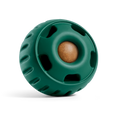
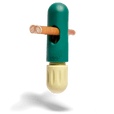
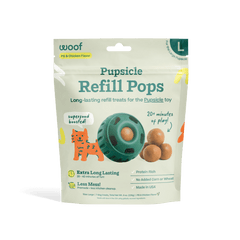
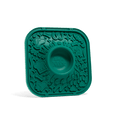
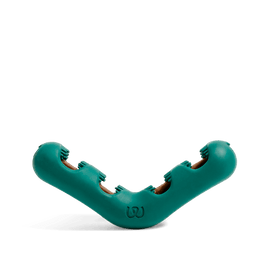
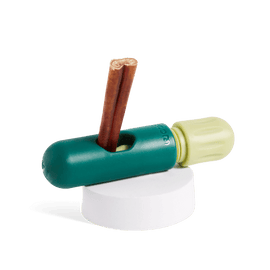
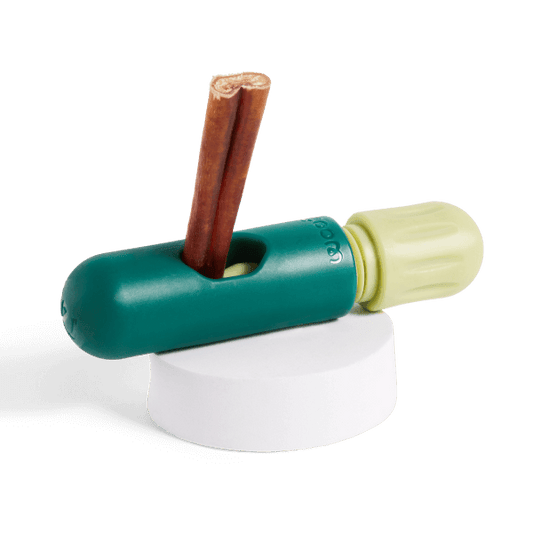
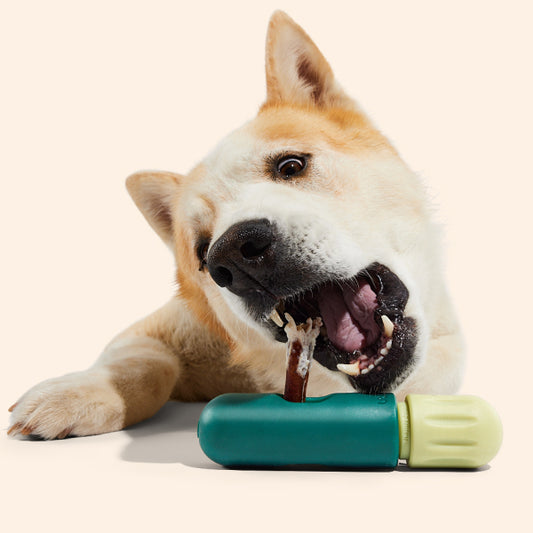
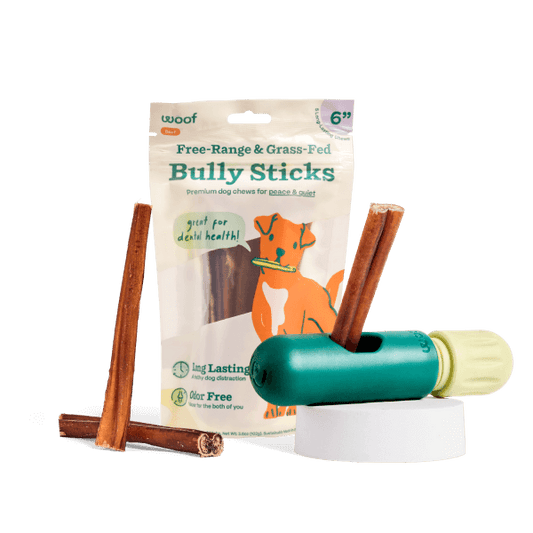
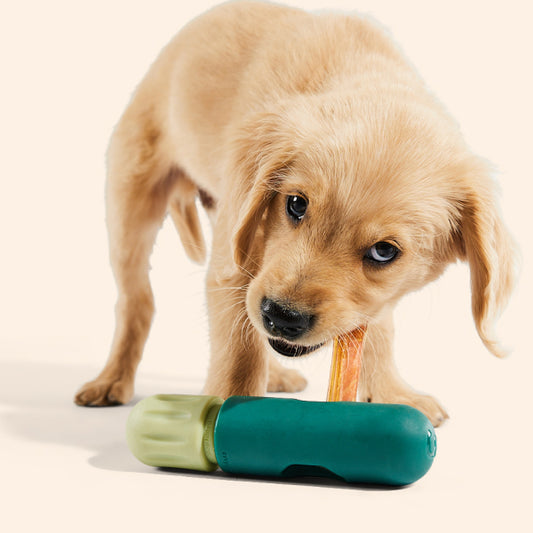
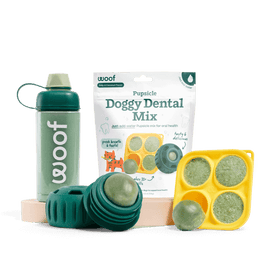
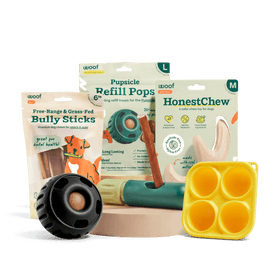
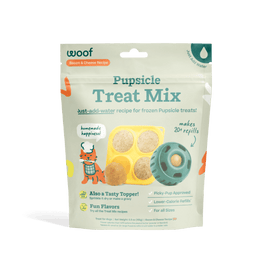
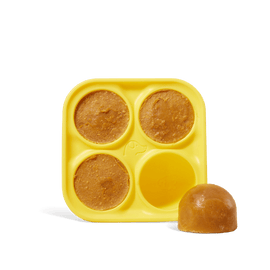
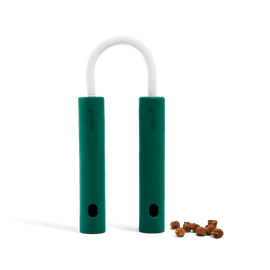
For dogs who get restless when everyone is home but nobody is available to play, The Pupsicle can be a useful enrichment tool because it gives dogs a long-lasting treat activity that feels special without turning the room into chaos. For travel days, grooming practice, or post-play cooldowns, FlipMat Mini can support slower licking and calmer focus in a portable format.
Common Mistakes With Social, Family-Loving Dogs
One common mistake is assuming a friendly dog does not need training. Friendly dogs may jump, steal socks, counter surf, bark for attention, or pull toward every person they meet. Another mistake is letting kids become the dog's main entertainment system. Dogs need breaks, and children need rules for safe play.
It is also easy to overdo activity. Puppies and adolescent dogs can look tireless, then melt down into biting, barking, or wild zoomies because they are overtired. Rotate between physical exercise, sniffing, chewing, licking, and training so your dog is not relying on one type of activity all day.
Dog Parent FAQs
Are family-loving breeds good for first-time dog owners?
Some can be, especially breeds known for trainability and social personalities. First-time owners should still consider exercise needs, grooming, size, and the time required for training.
Which dogs are best for families who travel often?
Adaptable, social dogs who handle new places well may enjoy travel, but comfort depends on the individual dog. Start with short practice trips, bring familiar items, and ask your vet about travel concerns if your dog gets carsick or stressed.
Can a high-energy family dog live in an apartment?
Sometimes, yes. Daily walks, sniff time, training, enrichment, and calm indoor routines matter more than the size of the home alone.
Should I choose a puppy or an adult dog for a busy family?
Puppies are adorable but demanding. Adult dogs can be a great fit because their size, temperament, and energy level are easier to evaluate before adoption.
The Bottom Line on Breeds That Love Being Part of Every Family Activity
The best family activity dog is not always the most popular breed. It is the dog who fits your pace, your patience, your space, and your willingness to build routines that make togetherness feel good for everyone. Choose thoughtfully, train kindly, supervise wisely, and give your dog healthy ways to participate. When those pieces come together, everyday life can feel like one long tail-wagging team event.


