






































































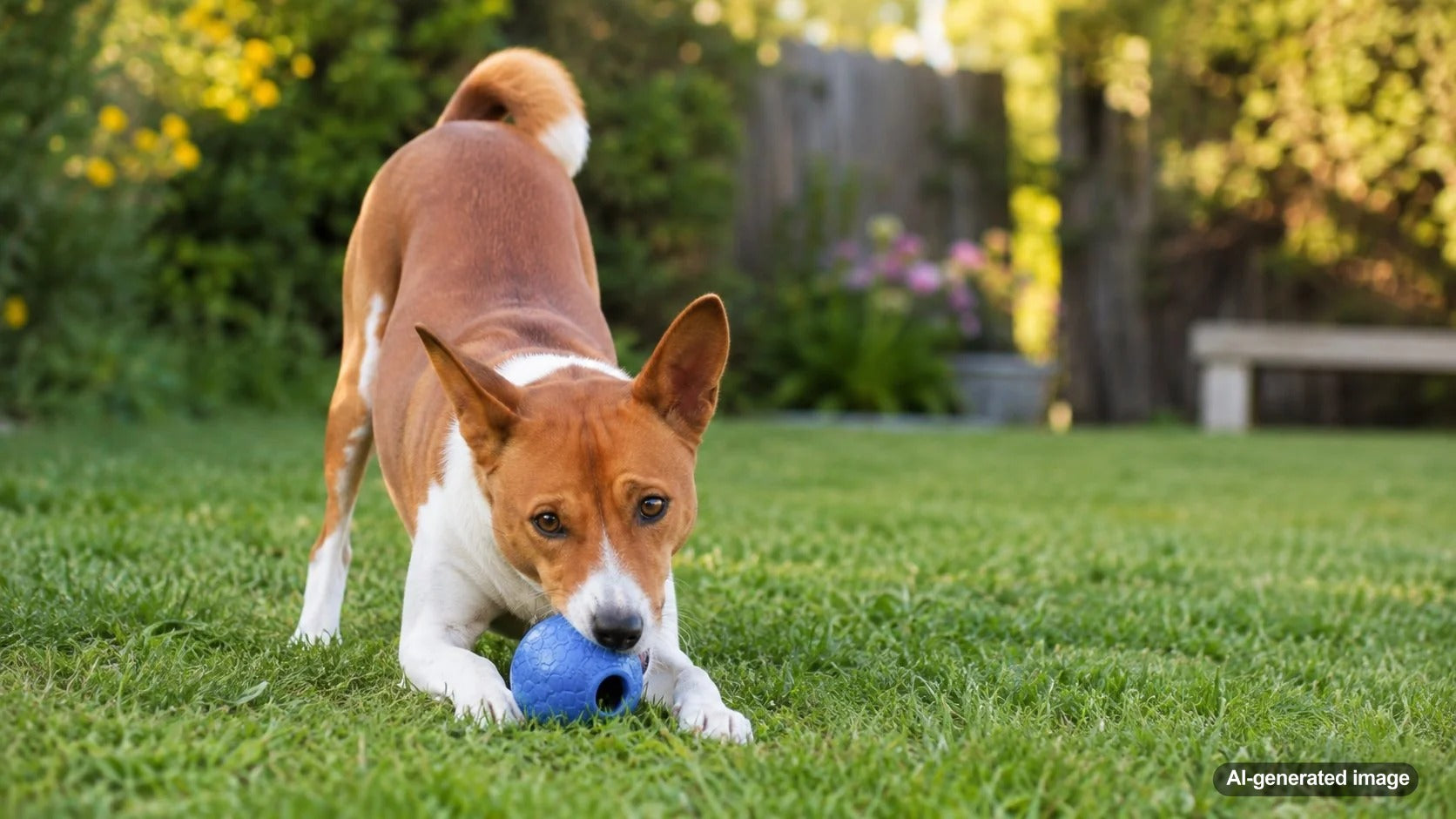
Some dogs seem perfectly content to curl up by a sunny window, investigate a toy, or quietly watch the household without asking for constant entertainment. While every dog needs companionship, exercise, and mental stimulation, certain breeds tend to be more independent and comfortable creating their own downtime. Understanding that distinction can help you choose a dog whose natural temperament fits your daily routine.
Independence does not mean a dog can be left alone indefinitely. It usually means the dog is less likely to demand nonstop interaction once their physical, social, and enrichment needs have been met.
Quick answer: Breeds commonly known for independent temperaments include the Shiba Inu, Basenji, Greyhound, Chow Chow, Lhasa Apso, Scottish Terrier, and Chinese Shar-Pei. These dogs may settle or explore independently more readily than highly people-focused breeds, but personality, age, training, health, and daily routine matter just as much as breed.
What Does Being Good at Self-Entertainment Really Mean?
A self-directed dog can often move between appropriate activities without repeatedly asking a person to participate. After a walk, the dog might sniff around the yard, work on a food puzzle, chew an approved toy, or take a nap. That is different from an under-stimulated dog inventing activities such as shredding cushions, raiding the trash, pacing, or chewing doorframes.
Breed history offers clues about these tendencies. Dogs developed to make decisions at a distance from people may be more self-reliant, while breeds created for close teamwork often look to their humans for the next assignment. These are tendencies, not guarantees. Two dogs from the same litter can have noticeably different needs.
Shiba Inu
Alert, clever, and famously self-possessed, the Shiba Inu often enjoys having choices. Many are happy to inspect their surroundings or settle nearby without staying attached to a person's side. Their independence can also make repetitive training uninteresting, so short reward-based sessions and activities that allow problem-solving usually work better than drilling the same cue.
Basenji
The curious Basenji was developed as a hunting dog capable of working with considerable independence. A Basenji may enjoy exploring puzzles and investigating scents, but that curiosity needs a safe outlet. Without one, cabinets, laundry, or an unsecured yard can become the day's entertainment. Secure spaces and thoughtfully rotated enrichment are especially valuable.
Greyhound
Greyhounds may look like nonstop athletes, yet many adults are relaxed at home after suitable exercise. They often appreciate a comfortable resting place and predictable routine. Their chase instinct can still be powerful, so independent yard time should happen only in a safely enclosed area, and off-leash freedom requires careful judgment.
Chow Chow
Chow Chows are often dignified and reserved rather than constantly attention-seeking. Many prefer calm observation and personal space. Early socialization, respectful handling, and positive training remain essential because independence should never be mistaken for a lack of need for guidance or positive experiences.
Lhasa Apso
Originally valued as an indoor sentinel, the Lhasa Apso tends to be watchful, confident, and capable of occupying itself between household events. Its small size does not eliminate the need for walks and brain games. Brief scent searches and treat puzzles can give this observant dog a satisfying job.
Scottish Terrier
Scottish Terriers are compact dogs with a determined, self-directed streak. They may investigate a toy or patrol a familiar space without requiring constant participation. Terrier instincts can turn digging or chasing into preferred hobbies, so provide legal versions through sniffing games, supervised digging areas, and durable enrichment.
Chinese Shar-Pei
The Chinese Shar-Pei is often calm, loyal, and comparatively reserved. Many adults enjoy being close to their families without needing continuous interaction. Consistent socialization and gentle training help channel that natural confidence, particularly when meeting unfamiliar people or dogs.
How to Help an Independent Dog Stay Busy Safely
Start with movement and sniffing. A dog that has had an appropriate walk is better prepared to settle than one expected to entertain itself with unused energy. Exercise needs vary by age, health, build, and personality, so ask your veterinarian what is suitable for your dog.
Next, offer one safe activity rather than filling the room with every toy at once. Rotating a few options can preserve novelty. A food-dispensing toy such as Walkabout turns part of a meal into a rolling search-and-retrieve challenge. For dogs that prefer sustained licking, The Pupsicle provides an interactive treat activity that can encourage focused engagement.
Match every item to your dog's size and chewing style, supervise the first several sessions, and inspect toys regularly. Remove anything that is cracked, torn, or small enough to swallow. Count food used in enrichment toward the dog's daily intake, especially for small dogs or dogs managing their weight.
Signs self-entertainment is not enough: Repeated barking, frantic pacing, escape attempts, destructive behavior near doors, heavy drooling, loss of appetite, or an inability to settle may indicate distress rather than ordinary boredom. Record what happens if possible and speak with your veterinarian or a qualified behavior professional. A breed's independent reputation does not protect an individual dog from separation-related problems.
Choose the Individual Dog, Not Just the Label
An adult dog's known temperament may be more informative than a puppy's breed alone. Puppies of every breed need frequent bathroom breaks, supervision, socialization, and gradual practice being alone. Senior dogs may become less active but need additional support if pain, hearing changes, or cognitive changes disrupt their routine.
Before bringing a dog home, consider its energy level, history, comfort with solitude, and response to unfamiliar situations. The best match is not simply the most independent breed. It is the dog whose real needs fit the time, exercise, training, and companionship your household can reliably provide.
Dog Parent FAQs
Can independent dog breeds be left alone all day?
No breed should automatically be expected to handle a full day alone. Dogs need bathroom access, exercise, social contact, and gradual alone-time training. A dog walker, trusted visitor, or daycare may be appropriate for longer absences.
Are independent dogs easier to own?
Not necessarily. They may demand less attention, but some are strong-willed, reserved with strangers, or less motivated by repetitive training. Their independence still requires patient socialization and consistent boundaries.
Can a mixed-breed dog be good at entertaining itself?
Absolutely. Mixed-breed dogs can be wonderfully self-directed. Observe the individual dog's energy, recovery after excitement, toy preferences, and ability to settle rather than relying only on appearance or assumed ancestry.
A Healthy Balance of Independence and Connection
Dogs that enjoy independent downtime can be wonderful companions for households that appreciate a little breathing room. Give them appropriate exercise, safe choices, predictable routines, and meaningful time with you. When those needs are covered, an independent dog can turn a quiet afternoon into an expertly scheduled combination of sniffing, problem-solving, window watching, and serious napping.


