






































































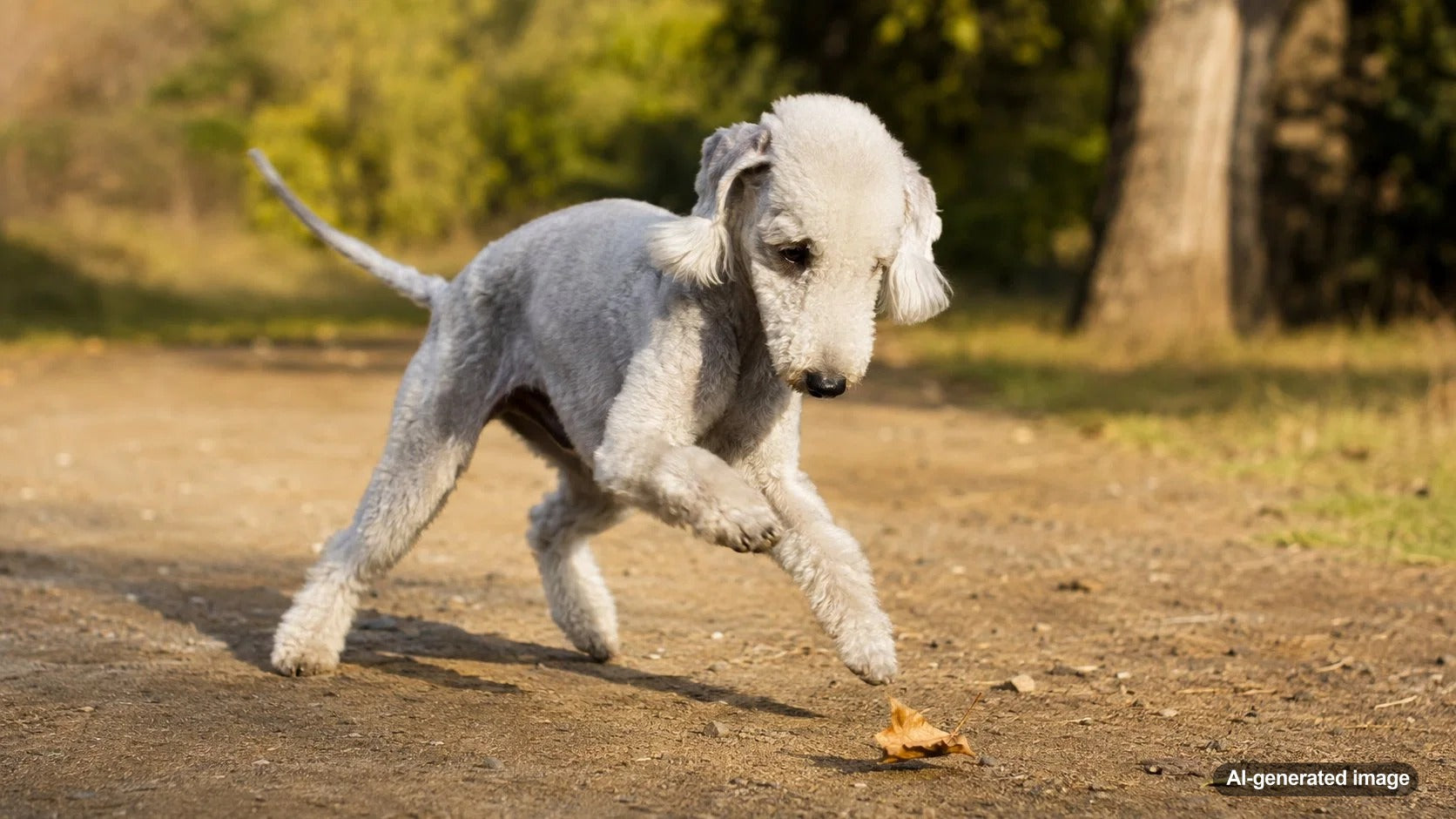
Some dogs can turn an ordinary afternoon into a comedy show without even trying. One dramatic sigh, sideways glance, toy-tossing performance, or sudden case of the zoomies is enough to make the entire household laugh. Although every dog is an individual, certain breeds are especially known for being playful, expressive, mischievous, or delightfully theatrical.
A funny personality is not just about appearance. It can show up through inventive play, exaggerated body language, attention-seeking antics, unusual vocalizations, or an uncanny ability to react to people at exactly the right moment. These entertaining traits often come with real needs for exercise, training, and mental stimulation.
Boxer: The Full-Body Comedian
Boxers are famous for bringing their entire bodies into the joke. A happy Boxer may wiggle from nose to tail, bounce through the room, paw at a favorite person, or perform an exaggerated play bow. Many remain remarkably puppy-like well into adulthood.
That enthusiasm needs an appropriate outlet. Daily walks, structured games, and short training sessions can help prevent playful energy from becoming jumping, mouthing, or furniture-level parkour. Rewarding four paws on the floor is particularly useful with this athletic breed.
Pug: The Expressive Scene-Stealer
Pugs combine a highly expressive face with a strong desire to participate in family life. They may tilt their heads, make an impressive range of snorts and grumbles, or sit in strangely human-looking positions. Many seem to know exactly when everyone is watching.
Because Pugs are flat-faced dogs, laughter should never come at the expense of comfort. Avoid strenuous activity in hot or humid weather, watch for labored breathing, and ask a veterinarian about any respiratory concerns. Gentle indoor games can deliver fun without excessive exertion.
French Bulldog: The Playful Negotiator
French Bulldogs often mix clownish play with determined opinions. A Frenchie may invent a game, dramatically refuse to continue a walk, or respond to a request with an unforgettable expression. Their people-focused nature can make them enthusiastic participants in household routines.
Positive reinforcement usually works better than turning training into a battle of wills. Keep sessions brief, use small rewards, and stop before either participant becomes frustrated. Like Pugs, French Bulldogs require careful heat and breathing management.
Bull Terrier: The Mischief Specialist
Bull Terriers are energetic, curious dogs with a reputation for creative trouble. Their comedy may involve carrying an unexpectedly large object, launching into a frantic sprint, or finding an inventive use for something that was never intended to be a dog toy.
Supervision and dog-proofing matter with this strong, persistent breed. Rotate durable toys, provide purposeful activity, and teach cues such as drop it, leave it, and settle. If chewing suddenly becomes intense or destructive, consider whether the dog needs more activity, rest, or help adjusting to a stressful change.
Dachshund: The Tiny Dog With Big Opinions
Dachshunds often act as though their short legs have never limited them. They can be bold, vocal, persistent, and wonderfully dramatic when a toy disappears beneath the couch or dinner arrives later than expected. Their hunting background can also appear in enthusiastic digging and determined scent investigations.
Use ramps where appropriate and discourage repeated jumping from high furniture to protect their long backs. Nose-work games and food searches can channel natural curiosity without requiring risky physical antics.
Brussels Griffon: The Humanlike Observer
Brussels Griffons are known for expressive faces and close attention to their favorite people. Their humor can be subtle: an intense stare, a perfectly timed head turn, or a tiny dog confidently supervising a much larger household. Many want to be included in nearly everything.
Their sensitivity means patient training and gradual introductions are valuable. A joke-worthy reaction may actually indicate uncertainty, so watch the whole body. Lip licking, turning away, freezing, or tucked posture can signal that a dog needs more distance rather than more attention.
Affenpinscher: The Fearless Little Performer
The Affenpinscher packs curiosity, confidence, and comic seriousness into a small frame. These dogs may approach a squeaky toy as if it were a major adversary, patrol a room with great importance, or improvise games from ordinary objects.
They benefit from safe opportunities to investigate and solve problems. Small puzzle toys and treat searches can be more satisfying than repetitive physical exercise alone. Keep small objects out of reach and supervise play to prevent accidental swallowing.
Havanese: The Cheerful Attention Magnet
Havanese dogs are social, lively companions that often enjoy learning behaviors that delight an audience. Spinning, fetching, weaving through legs, or presenting a toy can become part of their personal routine. Their springy movement adds to the performance.
Because they tend to enjoy company, owners should also practice calm independence. Short, comfortable periods apart can help a Havanese learn that entertainment does not always require a human audience.
Bring Out the Fun Without Encouraging Chaos
A naturally funny dog still needs predictable boundaries. Laughing when a puppy steals a sock can accidentally reward the behavior, especially if it starts a lively chase. Trade the sock for an appropriate toy, reward the release, and store tempting items out of reach.
- Teach simple tricks such as spin, bow, touch, or find it.
- Schedule short play sessions before predictable restless periods.
- Rotate toys so familiar objects feel interesting again.
- Reward calm behavior as generously as energetic behavior.
- Match games to the dog's size, age, breathing ability, and mobility.
Food-based enrichment can give a playful dog an appropriate project. The Pupsicle offers a longer-lasting licking activity, while bite-sized Love Nuggets can make short trick-training sessions more rewarding. Account for treats within the dog's daily diet, choose the correct toy size, and supervise use.
When Funny Behavior Is Not Funny
A sudden personality or behavior change deserves attention. New restlessness, hiding, irritability, repeated pacing, appetite changes, excessive drooling, limping, or unusual vocalization may signal discomfort rather than comedy. Contact your veterinarian when an established behavior changes abruptly or when you are unsure whether a dog is comfortable.
Dog Parent FAQs
Are some dog breeds naturally funnier than others?
Some breeds are more likely to be playful, expressive, persistent, or people-focused, which humans often interpret as funny. Individual personality still varies considerably within every breed.
Do funny dogs need more enrichment?
Many comedic behaviors are attempts to start play or attract attention. Appropriate exercise, sniffing, training, licking, and problem-solving activities may help direct that creativity toward safer outlets.
Can mixed-breed dogs have funny personalities?
Absolutely. Mixed-breed dogs can be just as expressive and entertaining as purebred dogs. Temperament reflects genetics, experiences, learning, health, and the dog's unique relationship with the household.
Should I laugh when my dog misbehaves?
Laughter and attention can unintentionally reinforce behavior. If an antic is unsafe or inconvenient, calmly redirect the dog and reward an acceptable alternative instead.
Celebrate the Dog in Front of You
Breed tendencies may suggest what kind of humor a dog could bring home, but they are not guarantees. The funniest companion might be a theatrical Boxer, an opinionated Dachshund, or a one-of-a-kind mixed-breed dog with impeccable timing. Give that personality safe outlets, consistent guidance, and plenty of chances to play, then enjoy the moments that make life with dogs so memorable.


