






































































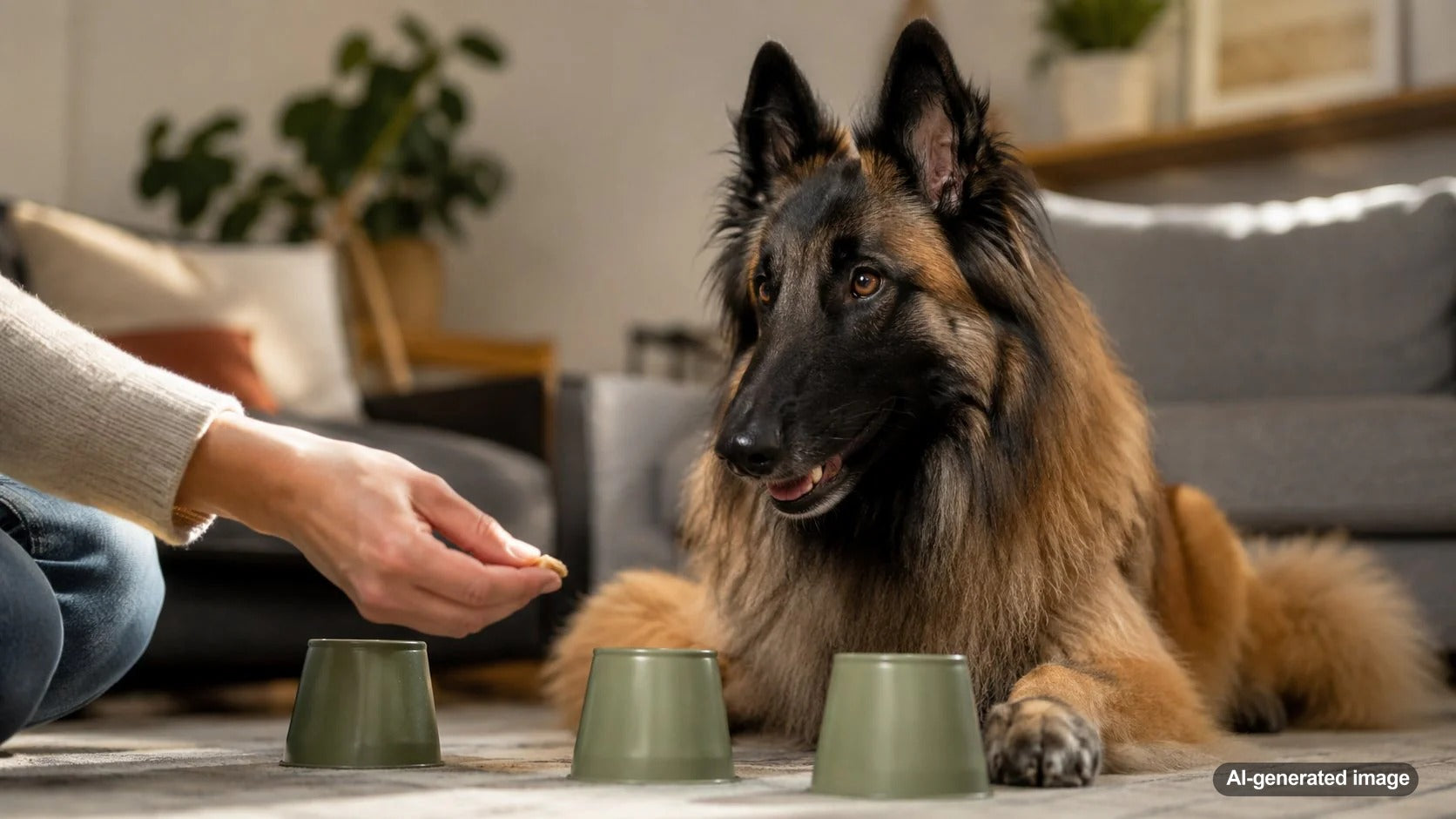
Some dogs hear the word "training" and act like you just opened the treat drawer, grabbed the leash, and announced the best day ever. Training games are not just for obedience class or competition dogs. They are everyday brain games that can help dogs focus, burn mental energy, build confidence, and strengthen the bond between dog and human.
Breeds That Are Great for Training Games often have a few traits in common: they enjoy problem-solving, respond well to rewards, and like having a job to do. That does not mean every Border Collie will be an instant genius or every independent hound will ignore you forever. Breed can give clues, but your dog's personality, age, motivation, past experiences, and daily routine matter just as much.
Quick answer: Some of the best breeds for training games include Border Collies, Poodles, Labrador Retrievers, Golden Retrievers, German Shepherds, Australian Shepherds, Shetland Sheepdogs, Papillons, Miniature Schnauzers, and mixed-breed dogs with playful, food-motivated, or people-focused personalities. The best training game for any dog is one that matches their body, brain, and motivation level.
What Makes a Dog Great at Training Games?
A great training-game dog is not always the dog that learns the fastest. It is the dog that enjoys the process. Some dogs love food puzzles, some live for fetch, some want praise, and some need a job that lets them sniff, search, tug, or problem-solve.
Many trainable breeds were originally developed for jobs that required close teamwork with humans. Herding dogs had to watch for cues and react quickly. Retrievers were bred to bring items back and keep working with their person. Sporting, working, and companion breeds often shine when training feels like a shared game instead of a test.
The key is to keep sessions short and rewarding. Five minutes of focused fun can be more useful than 30 minutes of frustrated repetition. Puppies may need tiny sessions with lots of breaks. Senior dogs may prefer slower games with gentle movement. High-drive dogs may need a mix of physical exercise and brain work before they can settle.
Border Collies: The Brain-Game Superstars
Border Collies are famous for their focus, speed, and problem-solving skills. They often love games that involve cues, movement, and quick choices, such as spin, target touch, find it, beginner agility, toy names, and hide-and-seek.
They can also become bored if their day is all physical exercise and no mental challenge. A tired Border Collie is not always a calm Border Collie if their brain is still looking for a job. Keep games structured, rotate cues, and build in settling time after excitement.
Poodles: Clever, Athletic, and Surprisingly Game
Poodles come in toy, miniature, and standard sizes, which means training games can look very different depending on the dog. Many Poodles are quick learners who enjoy food puzzles, trick training, scent games, and fetch-style challenges.
Because they are often both smart and sensitive, Poodles usually do best with upbeat, reward-based games. If a game gets too repetitive, they may start adding their own creative opinions. That can be charming, but it is also a sign to switch things up.
Labrador Retrievers and Golden Retrievers: Reward-Loving Team Players
Labs and Goldens are often wonderful training-game partners because they tend to be social, food-motivated, and eager to participate. They are especially fun for retrieve games, recall practice, toy trades, scent searches, and impulse-control games like wait, release, and go find it.
For dogs who get excited around treats, use tiny rewards and practice calm delivery. A treat that is too large, too crumbly, or too exciting can turn a thoughtful game into a snack stampede. Bite-sized rewards like Love Nuggets can fit naturally into short training sessions because they are easy to reward with quickly without turning the game into a full meal.
German Shepherds and Australian Shepherds: Focused Dogs Who Like a Mission
German Shepherds and Australian Shepherds often thrive when games have structure. They may enjoy obedience games, object discrimination, place training, trick chains, fetch with rules, and problem-solving tasks that ask them to pause and think.
These dogs can be intense, so do not mistake constant motion for successful enrichment. If your dog is barking, jumping, grabbing, or spinning through the whole game, lower the difficulty. Try one cue, one reward, and one reset. The goal is not to make your dog more frantic. The goal is to help them use their brain in a way that feels satisfying.
Shetland Sheepdogs, Papillons, and Miniature Schnauzers: Small Dogs With Big Brains
Small dogs are sometimes underestimated, but many are excellent training-game partners. Shetland Sheepdogs often love cue-based games and trick sequences. Papillons can be quick, bright, and surprisingly sporty. Miniature Schnauzers may enjoy problem-solving, food searches, and games that give them a job.
For smaller dogs, adjust the setup. Use low-impact movements, smaller treat pieces, and toys that fit their mouth and body. A game that feels fun to a 60-pound dog may feel awkward or overwhelming to a 10-pound dog if the equipment is too large or the movements are too intense.
Mixed-Breed Dogs Can Be Training-Game Naturals, Too
Mixed-breed dogs can be fantastic at training games because trainability is not limited to a breed label. Look at what your individual dog offers. Do they follow your hands? Light up for food? Love chasing toys? Enjoy sniffing? Stay close on walks? Those clues can help you choose games that feel natural.
A rescue dog or newly adopted dog may need time before training games feel fun. Start with easy wins, like tossing a treat and saying "find it," rewarding eye contact, or teaching a hand target. Confidence grows when the dog understands the game and feels safe making choices.
Easy training games to try first:
- Find it: Toss a treat nearby and let your dog sniff it out.
- Touch: Teach your dog to tap your hand with their nose.
- Name that toy: Say the toy name, reward when your dog interacts with it, and slowly build recognition.
- Settle on a mat: Reward calm behavior in one cozy spot.
- Treat puzzle time: Let your dog work for small rewards at their own pace.
How to Make Training Games More Fun and Less Frustrating
Start easier than you think you need to. Dogs learn faster when they can win often. If your dog gets distracted, the game may be too hard, the room may be too exciting, or the reward may not be motivating enough.
Use clear cues and give your dog a moment to think. Many owners repeat the cue too quickly, which can turn one clear instruction into background noise. Say it once, wait, help if needed, then reward the smallest correct step.
For dogs who need longer-lasting enrichment after a short training session, an interactive toy can help them transition from active learning to independent focus. The Pupsicle is a helpful fit for many routines because it gives dogs a longer-lasting treat activity after they have used their brain with you.
Helpful tip: End training games before your dog is completely over it. Stopping while they still want more helps keep the next session exciting.
When to Slow Down or Get Extra Help
Training games should feel safe and enjoyable. If your dog shows signs of pain, sudden behavior changes, appetite changes, limping, excessive drooling, vomiting, diarrhea, or unusual stress, pause the routine and contact your veterinarian. If your dog is growling, guarding treats, panicking, or reacting strongly during games, work with a qualified trainer or behavior professional.
Also remember that high intelligence does not always mean easy living. Smart dogs can learn habits you did not mean to teach, like barking for attention or stealing socks to start a chase game. Consistency matters. Reward the behavior you want, manage the behavior you do not, and choose games that make good choices easier.
Dog Parent FAQs
What is the easiest breed to train for games?
Border Collies, Poodles, Labs, Goldens, German Shepherds, and Australian Shepherds are often strong training-game candidates, but the easiest dog is usually the one whose motivation matches the game.
Can independent breeds enjoy training games?
Yes. Hounds, terriers, and more independent dogs may enjoy scent games, chase games, food puzzles, and short sessions with high-value rewards. They may simply prefer games that fit their instincts.
How long should a training game session last?
Many dogs do well with 3 to 10 minutes at a time. Puppies, seniors, and easily frustrated dogs may need even shorter sessions.
Are training games enough exercise?
Training games can provide excellent mental stimulation, but many dogs still need physical movement, sniffing time, and rest. A balanced routine usually works best.
The Bottom Line on Breeds That Are Great for Training Games
The best training-game dogs are curious, motivated, and given games that match who they are. Breed can point you in the right direction, but your dog's personality should lead the way. Keep it positive, keep it short, reward generously, and let training become one more way you and your dog enjoy life together.


